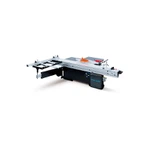
1. AI & Automation Revolution
Smart CNC Systems: AI-powered woodworking machines will optimize cutting paths in real time, reducing material waste by up to 30% while improving precision.
Self-Learning Machines: Predictive maintenance and automated tool adjustments will minimize downtime and human error.
Robotic Integration: Collaborative robots (cobots) will handle repetitive tasks like sanding and assembly, allowing human workers to focus on craftsmanship.
2. Sustainable & Eco-Friendly Manufacturing
Energy-Efficient Motors: New EU and North American regulations will push manufacturers to adopt low-power, high-torque motors.
Waste Recycling Systems: Advanced dust collection and chip-recycling technologies will turn wood waste into usable materials (e.g., MDF or biomass fuel).
Low-Emission Coatings: Water-based and UV-cured finishes will replace traditional solvents, reducing VOC emissions.
3. Digitalization & IoT Connectivity
Cloud-Based Production Monitoring: Factories will use IoT sensors to track machine performance, material usage, and workflow efficiency in real time.
AR/VR-Assisted Training: Augmented reality (AR) manuals and virtual reality (VR) simulations will help operators master complex machinery faster.
Blockchain for Supply Chains: Smart contracts will ensure sustainable sourcing by tracking timber from forest to finished product.
Why It Matters: These innovations will make woodworking faster, greener, and more cost-effective, benefiting both large manufacturers and small custom shops. Companies that adopt these trends early will gain a competitive edge in the global market.
Future Outlook: By 2030, experts predict that 70% of woodworking machinery will incorporate AI, IoT, or eco-friendly features, reshaping the industry from traditional craftsmanship to smart, sustainable production.