Global Market Expansion Strategies
1. Market Research and Segmentation
Target Markets: Prioritize regions with high growth potential, such as Southeast Asia (Vietnam, Malaysia), where furniture manufacturing is booming, and Africa/Middle East, where infrastructure development drives demand for cost-effective machinery. Europe and North America remain key but require a focus on compliance and premium features.
Competitor Analysis: Benchmark against leading brands like HOMAG (Germany) and SCM (Italy) in technology, while differentiating through affordable pricing and customized solutions for emerging markets.
Data-Driven Insights: Utilize industry reports (e.g., QYResearch) to identify trends like automation demand and sustainability preferences. For example, CNC router markets in Asia-Pacific are projected to grow at 7.5% CAGR
2. Product and Technology Adaptation
Product Localization: Tailor machinery to regional needs:
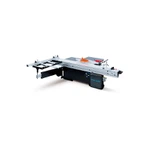
Southeast Asia: emphasize CNC routers and automatic panel saws for furniture production.
Europe: Focus on CE-certified equipment (e.g., EN 12100 compliance for automated systems) and energy-efficient designs
Technology Upgrades: Integrate IoT and automation features to align with Industry 4.0 trends, such as remote monitoring and predictive maintenance, to compete with premium brands
3. Supply Chain and Logistics Optimization
Cost Efficiency: Mitigate U.S. tariff impacts (e.g., 12% duty on人造板设备) by establishing regional assembly hubs in Southeast Asia or Mexico to reduce export costs
Logistics Partnerships: Collaborate with agents experienced in woodworking machinery exports to handle technical customs classifications (e.g., HS codes for CNC routers) and reduce报关 errors, which cause 18% of shipment rejections
4. Marketing and Sales Channels
Digital Presence: Leverage cross-border e-commerce platforms (e.g., Alibaba, industry-specific B2B portals) and social media (e.g., LinkedIn for B2B outreach) to reach global buyers.
Localized Marketing: Develop multilingual technical documentation and highlight certifications (e.g., CE, FSC) to build trust in regulated markets
Trade Shows and Partnerships: Exhibit at international fairs (e.g., LIGNA in Germany) to showcase products and form alliances with local distributors in target regions
5. Compliance and Risk Management
Regulatory Adherence: Stay updated on evolving standards:EU: Comply with Machinery Directive updates (e.g., EN 12100 for automated feed systems)
ASEAN: Meet 55% local content requirements for origin rules
Risk Mitigation: Use currency hedging tools to manage exchange rate fluctuations and secure export credit insurance for trade with volatile markets
6. After-Sales Service and Support
Global Service Networks: Establish spare parts warehouses in key markets (e.g., Vietnam, Mexico) to provide rapid technical support and reduce downtime
Training Programs: Offer virtual and on-site training for overseas clients to ensure optimal machine operation and foster long-term relationships