

Sanding Machine
What Is Sanding Machine?
Sanding and polishing are processes which use abrasive cloth, grinding wheels, sandpaper, scouring pads, or non-woven polishing wheels to physically remove material from the surface of objects that have uneven thickness and to make them smoother. A sander is used in the production of various veneers, structural parts, toys and handicrafts, decorations, furniture, floor and wall panels, building materials, etc.
There are a wide range of industries that use sanding equipment to perform a wide variety of sanding operations. In industry, belt sanders, grinders, and polishing machines often use automatic feeding systems to perform operations.
Advantages of Sanding Machine
Fast material removal
Sanders removes material fast and efficiently. Important stock clearance initiatives like dubai's construction and manufacturing projects require spinning drums' intense sandpaper cycle.
Surface preparation versatility
Belt sanders adjust. Dubai's building, handicraft, and metalworking industries utilize this equipment to smooth sharp edges and prepare materials for finishing. Precision finishing and surface smoothing demonstrate their adaptability.
Large surface sanding
Dubai's industrial and development projects require accurate and fast large surface sanding. Sanders with wide abrasion belts can cover large areas and finish work on time.
Smooth & shape
Belt sanders are smooth and shaped precisely. The design makes them good at shaping and smoothing materials. Dubai's industrial and fabrication firms need proper shape therefore this helps.
Perfect for woodworking
Dubai's woodworking sector needs belt sanders to shape, smooth, and polish wood. Sander belts speed up the process and better furniture, cabinets, and elaborate designs.
Variable speed
Modern belt sanders can adjust speed to suit work. Flexibility and control allow the instrument to be tailored for varied materials and finishes.
Worker safety
Belt sander dust collection improves worker safety. This is significant since dubai prioritizes health and safety. Minimizing dust and debris improves worker safety.
Time efficiency
Belt sanders save time and effort. Fast job completion and project delivery assist dubai's fast-paced sectors.
Precise
Stationery and portable belt sanders are available for various uses. Precision and mobility are benefits of belt sanders.
Uniform finish
Belt sanders sand linearly. This is needed for furniture and other completed products' beauty and finish.
-
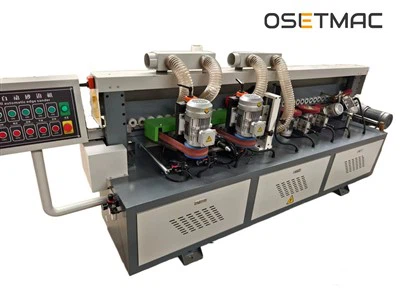 SYS-60D Automatic Edge Sanding MachineModel:SYS-60D. Voltage: 380V Three Phase 50Hz. Total power: 6KW. Max working thickness: 50mm. Min working length: 60mm . Min working width: 60mm. Gross/net weight: 1080/1000kg.Add to Inquiry
 -
 Sanding Machine For WoodChina wide belt sander is good for sanding small crafts and furniture parts. It is able to sand feed materials as short as 200 mm. Better rigidity and thermal stability. The accuracy is increased byAdd to Inquiry
 -
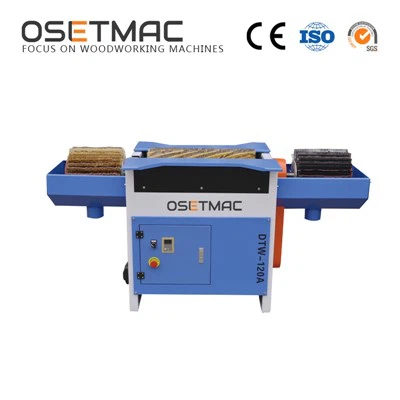 Polish MachineThe length of this type of wool roller is 300mm, which can realize two people work at the same time, which greatly improves work efficiency.. The machine body is made of 5mm steel plate, and all theAdd to Inquiry
 -
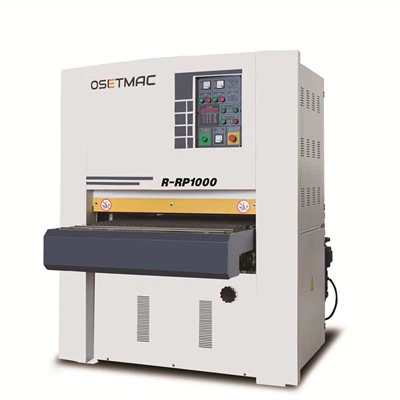 R-RP1000 Sanding MachineChina wide belt sander is good for sanding small crafts and furniture parts. It is able to sand feed materials as short as 200 mm. Better rigidity and thermal stability. The accuracy is increased byAdd to Inquiry
 -
 Plywood Sanding MachineThis machine is suitable for the sanding or grinding of flat panels. It is widely applied to the board with primer, PE, PU, UV coating etc.Wide belt sanders is suitable for calibrating and fineAdd to Inquiry
 -
 Cabinet Door Sanding MachineWood Brush Sanding Machine is mainly used for door plate and primer polishing, including solid wood doors, composite doors, sticker doors, cabinet doors, wardrobe doors, door polishing such as PU,Add to Inquiry
 -
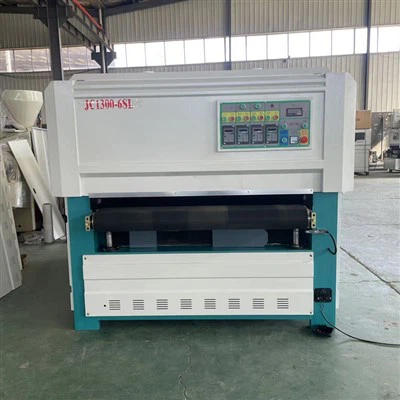 Disc Polishing MachineThis machine is suitable for the sanding or grinding of doors, cabinet, plywood, MDF and other panel furniture and solid wood furniture. It is widely applied to the board with primer, PE, PU, UVAdd to Inquiry
 -
 Woodworking Sanding MachineThe primer wood sander is welded with cold plate and channel steel and after precise grinding precise thickness gauge display accurate adjustment of processing thickness.Add to Inquiry
 -
 KZY-01 Small solid wood polishing machineDesigned for archaic floor, furniture, table-board, handicraft, the plane surface rivet and special design of a new generation of products, processed by this machine, the plane surface is skid-free,Add to Inquiry
 -
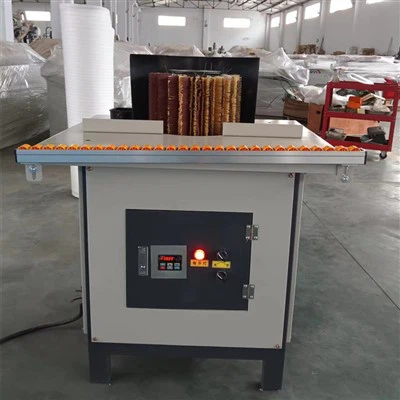 Polish Sanding MachineHigh-frequency speed regulating device, during operation, the speed of the hair roller can be adjusted appropriately according to the hardness of the grinding workpiece to ensure the quality of theAdd to Inquiry
 -
 Horizontal Polishing MachineThe length of this type of wool roller is 300mm, which can realize two people work at the same time, which greatly improves work efficiency.. The machine body is made of 5mm steel plate, and all theAdd to Inquiry
 -
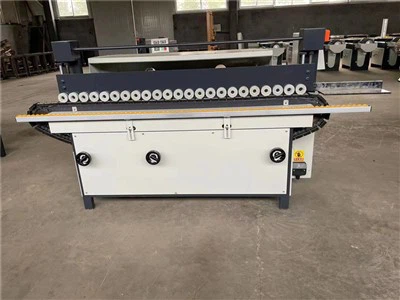 Side Sanding MachineThis US-DTL-60D automatic side polishing machine consumes a total of 2.62 KW per hour, and the wood polishing roller diameter of the machine is 300 mm (3 pcs). In addition, the wood polishing heightAdd to Inquiry




Wechat: +86-18661895387
Whatsapp: +86-18661895387
- Email: info@osetmac.com
- Add: No.217 East Zhuhai Road, Huangdao District, Qingdao, Shandong Province, China
Why Choose Us
Our factory
Osetmac has been focusing on woodworking machinery for more than 8 years. Osetmac has a wholly-owned manufacturing plant - qingdao sanysan machinery company
Strong production market
Our products have been sold to more than 30 countries and regions including the middle east, southeast ASIA, Europe and South America.
Professional certification
The manufacturing plant has obtained ISO 9001 certification, and some major products have passed CE certification.
Good service embodiment
According to customer needs, recommend the most suitable products and provide a complete set of solutions. Confirm customer order details with the factory and follow up on production progress. Pay attention to changes in customer needs at any time and provide solutions in a timely manner. Collect customer feedback and solve problems encountered by customers during use in a timely manner.
Types of Sanding Machine
Hand powered belt sander
Hand powered sanders are one of the foremost popular tools among woodworkers, homeowners, and diyers. Many units feature variable speeds and mud collectors, making them even more versatile. It works well on small project pieces or large spaces like decks to smooth and finish surfaces. The foremost common sized belts used available sanders are 3" x 21", 3" x 18" and 4" x 24".Hand powered belt sander.
Tube belt sanders
Tube belt sanders are also called pipe polishers. These machines consist of a pulley system that permits the sanding belt to contour around tube-shaped surfaces. These machines are handheld and electrically powered.
Belt file sanders
Belt file sanders are handheld sanding machines that use narrow, small sanding belts. These machines are best suitable for fitting into tight workspaces or removing welds from inside the material's corners. Common sizes include 1/2" x 18", 3/8" x 13", 1/2" x 24" and 1x30 belt sander.
Floor belt sanders
Floor belt sanders are mobile sized sanding machines manually pushed by the operator to effectively sand wood flooring. They allow larger jobs to be finished quickly while often utilizing smaller tools to sand the sides properly.
Stationary belt grinders
Stationary belt grinders are often bench mounted, pedestal mounted, or large machines with their stands. These machines are designed in many various ways and use multiple sized belts counting on the appliance. Many of those are utilized in niche fabrication shops or extensive manufacturing facilities.

Sanding machine is a special cutting equipment, it is to use sanding belt, sandpaper or grinding wheel and other abrasive tools instead of cutting tools to process the workpiece, the purpose is to remove a layer of material on the surface of the workpiece, so that the workpiece reaches a certain thickness size or surface quality requirements. In the processing of wood products, the function and role of sanding mainly have two aspects. The first is to carry out accurate geometric size processing, that is, the wood-based panel and various solid wood panels are processed for fixed thickness size, so that the size error of the substrate thickness is reduced to a small limit. The second is to trim the decorative surface of the wood parts to obtain a smooth and smooth decorative surface and a better decorative effect, which also includes such as workpiece surface grinding and workpiece paint film grinding. The former generally adopts the fixed-thickness grinding processing method, and the latter generally adopts the quantitative grinding processing method. According to the characteristics and requirements of the wood product production process, as well as the requirements of the use of the finished product, determine what kind of grinding processing method is used in the processing process. The constant thickness grinding processing method is generally used in the preparation section of the substrate, which is an accurate and effective correction of the thickness error of the raw material. Quantitative grinding processing is mainly the finishing of the surface that has been decorated to improve the finish and quality of the surface. From the processing effect, the amount of fixed thickness grinding is larger, the grinding layer is thicker, and the surface roughness after processing is larger, but the thickness obtained is accurate. The amount of quantitative grinding is small, the grinding layer is thin, and the surface roughness of the workpiece after processing is small, but the thickness of the plate can not be accurately calibrated.
Finding the Best Sanding Machine for Your Application
Production lines
Sanding machine usually have an adjustable feed table, but there are also ones with height-adjustable rollers. Having this feature makes it easy to integrate these machines into a production line. The feed table could align with the conveyor or table before it, and the head could be adjusted according to the piece's height.
Calibrating
To calibrate solid wood pieces, you'll need a sanding machine with steel sanding rollers. You can use this feature to remove both hard and soft sections of wood evenly. If you're working with materials such as particle boards, rubber rollers are a better choice than steel rollers, as they're softer.
Small pieces
Small pieces can easily slip under the feeding belt. If you regularly handle smaller wood pieces, look for a wide belt sander with vacuum transport belts to hold the pieces in place and prevent them from slipping.
Irregular shapes
Laser cameras and sensing rollers are useful features for applications involving wood pieces with irregular shapes. By detecting where a piece of material puts different pressure on the abrasive belt, these features can adjust the abrasive belt accordingly.
Vintage wood
Your shop can benefit from cutter blocks and band saw aggregates if it works a lot with wood pieces that require a vintage or worn look. A sander with orbital sanding aggregates can also produce good results when restoring furniture with various grain patterns.
How to Choose a Sanding Machine
Choosing the right sander
Before you begin, it is critical to choose the right sander. Consider the specific requirements of your project, such as the size of the material and the desired finish. Different models and brands offer different features, so choose a model that meets your unique needs.
Understand how it works
The working principle of a sander is simple but very effective. The sanding belt covers a large area, rotating on a drum to evenly sand the material. Understanding this principle is fundamental to optimizing the performance of your tool.
Proper setup and adjustment
Achieving precision starts with proper setup. Make sure the sander is securely fastened and the sanding belt is precisely aligned. Take the time to adjust settings such as belt tension, conveyor speed, and table height, depending on the specific requirements of your project.
Safety first
Before you start your sander, put safety first. Wear appropriate personal protective equipment, including safety glasses and hearing protection. Familiarize yourself with the machine's emergency stop function and the location of the dust collection system to maintain a safe working environment.
Material placement
Lay the material on the conveyor, making sure it is evenly spaced and properly aligned.
Initial grinding
Grind lightly at first to gauge the effect of the abrasive on the material. Adjust settings as needed before continuing.
Constant pressure
Maintain constant pressure as the material moves through the sander. Avoid excessive force, which can result in uneven sanding.
Monitor feed rate
Adjust the conveyor speed to match the rate at which the material is moving through the sander. This ensures an even and consistent surface.
Inspect and improve
Regularly inspect the sanded surface and make necessary adjustments to achieve the desired results.
Take advantage of advanced features
Many modern sanders are equipped with advanced features such as variable speed control, digital thickness readouts, and automatic belt tracking. Familiarity with these features can improve precision and efficiency.
Dust collection and maintenance
Empty the dust collection system regularly to maintain optimal performance and ensure a clean workspace. Follow the manufacturer's guidelines for routine maintenance, including belt replacement and lubrication.
Troubleshooting tips
If you experience any problems during operation, consult your owner's manual for troubleshooting guidance. Common problems include belt tracking issues, uneven sanding, or motor problems
Obstructed laser eye
An obstructed laser eye can cause belt tracking issues. To fix and prevent this problem, wipe the laser eye to ensure it is clean and dust-free.
Improper tension pressure
Belt tracking issues can also be caused by improper tension – if the tension is not high enough, the belt will not have enough pull to stay straight. If the tension is too high, this can overwhelm the tracking cylinder. Always make sure the tension pressure is set to the manufacturer's recommended value.
Removal rate issues
If you are constantly experiencing belt tracking issues, this can also be because you are trying to remove too much material in one pass. A high removal rate can cause the belt to break.
Improperly cut abrasive belts
Tracking issues can also occur if your abrasive belts are not cut correctly. You can easily tell if this is happening by visually inspecting the belts.
Improper abrasive storage
As we mentioned above, belts can absorb moisture, which can cause them to deform. Therefore, store belts suspended. Do not place them on the floor – especially on concrete.
Unparallel or uneven rollers
Unparallel or uneven rollers can also cause improper belt tracking. To determine if the rollers are parallel, you can use a digital indicator to measure and adjust accordingly. You can tell if the rollers are uneven by looking at them. If they are uneven, they will need to be smoothed out or re-coated and then reinstalled.

How the Sanding Machine Works
The sanding machine consists of an electric motor that turns a pair of drums. A continuous loop of sandpaper is mounted between these drums. The motor of the sanding machine is enclosed for safety. The sandpaper however is exposed during use. You must take care must not to touch the sanding surface while the machine is running.
The sanding machine is a rotating cylindrical drum covered with gritty sandpaper. The same motor that powers the belt runs the bobbin sander. This means that it is spinning whenever the machine is on. For safety the bobbin is always covered by the removable guard when not in use. We add an additional plate at the bottom of the drum when in use. This stops the material you are sanding from slipping under the drum.
Wear safety glasses
Fine dust particles from sanding can land in the eyes. Since many products used in construction are considered health hazards, the eyes remain vulnerable. It is also not uncommon for metal fragments to penetrate and endanger a worker's vision. Depending on the material and the environment, face shields and goggles can provide adequate protection.
Ear protection
Belt and sander safety rules often include important ear protection. These trade tools pose a double threat to a worker's hearing. Continuous use generates high decibels that can cause hearing loss. The ears are also a portal for harmful dust particles to enter the body.
Respiratory precautions
In recent years, disposable masks have become widely accepted as the most important safety measure. These inexpensive products provide effective lung protection against inhalation of tiny particles. When products and materials are reused, trace amounts of lead or asbestos may be present. New materials are sometimes pre-treated with hazardous chemicals. Disposable masks are one of the best front-line defenses and are a mandatory requirement of OSHA.
Protective footwear
It is not uncommon for the construction industry and machine shops to mandate the use of protective footwear. These may include certified heavy-duty work boots and/or protective steel-toed boots. Even the best protective footwear can accumulate dust particles. To avoid bringing potentially hazardous dust home, workers should stock up on disposable shoe covers.
Hand protection
Narrowly fitting gloves are an essential safety precaution when using a sander.
Narrowly fitting PPE
Workers tasked with using commercial sanders can suffer cuts when clothing becomes snagged. Powerful fixed sanders and hand tools can pull a person's wrist into the abrasive in an instant. Few people are able to quickly shut off the power or release the trigger before injury occurs. The most vulnerable area is where the sleeve is tucked under the glove. That's why narrowly fitting disposable PPE is essential.
Work Clothes
Dust particles don't necessarily follow a straight path when released. They float through the air and land on any part of a worker's body. Requiring the use of head-to-toe disposable work clothes is one of the best belt and sander safety rules to prevent harmful dust from coming into contact with the skin.
Our Factory
OSETMAC focuses on woodworking machines for over 8 years. OSETMAC has one wholly-owned manufacturing factories--Qingdao Three One Three Machinery Company. Our factories have been well-recognized as a professional woodworking machine producers. The main products of OSETMAC is sliding table saw, brush sanding machine, edge banding machine, wood drilling machine and CNC routers. What's more, our products have been sold to more than 30 countries and regions in Middle East, Southeast Asia, Europe and South America. OSETMAC is able to do our own R&D, deliver production task on time and provide customer service quickly. The manufacturing factories have already been granted ISO9001, and some of the main products have passed CE certificate.

Our Certificate


FAQ
As one of the most professional sanding machine manufacturers in China, we're featured by quality products and low price. Please rest assured to wholesale discount sanding machine from our factory. Contact us for customized service.
