

Press Machine
What Is Press Machine?
Pressing machines are also known as forming presses. A machine press is a tool used in the manufacturing industry to deform/shape a work-piece under high pressure. There are different types of machine presses, including cabinet presses, frame presses, solid surface presses, composite presses, multi-daylight presses, cold presses, rubber presses, recycling presses and much more.
Advantages of Press Machine
Weight reduction and material savings
Presses help reduce the weight of the final product and save material by optimizing the molding process.
Cost effectiveness
They have lower initial and production costs, reducing part count and tooling costs, which is beneficial for both small and large operations.
High tonnage capacity
Presses can generate tremendous pressure, making them suitable for heavy-duty applications.
Safety features
Hydraulic presses are safer than mechanical presses due to built-in overload protection and lower noise levels.
Space efficiency
These machines require less floor space, which is an advantage in compact manufacturing environments.
Simple design, more adaptable
The simple design of the press is easy to operate and maintain, and has greater adaptability to a variety of applications.
Tool life
The tools used by the press last longer, reducing replacement costs and downtime.
Enhanced product strength and stiffness
The pressing process can significantly increase the strength and stiffness of the material.
-
 Hydraulic Hot Press MachineVeneer hot press can laminate veneer on the surface of doors panel, can operate 1 piece of boards at the same time, Greatly improve the working efficiency.Add to Inquiry
 -
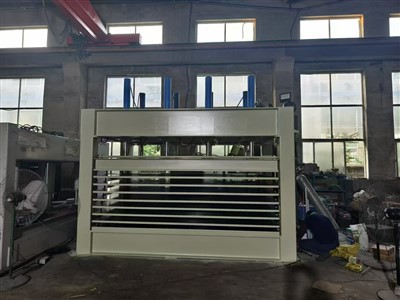 Hydraulic Press Machine Cold PressOur products are also used in metal forming, riveting, forming, blanking, punching, deep drawing and other metal forming operations. Secondly, we work by applying a compressive force to the metalAdd to Inquiry
 -
 Hydraulic Cold Press MachineOur products are also used in metal forming, riveting, forming, blanking, punching, deep drawing and other metal forming operations. Secondly, we work by applying a compressive force to the metalAdd to Inquiry
 -
 Hydraulic cold pressOur products are also used in metal forming, riveting, forming, blanking, punching, deep drawing and other metal forming operations. Secondly, we work by applying a compressive force to the metalAdd to Inquiry
 -
35KW LaminatorVeneer hot press can laminate veneer on the surface of doors panel, can operate 1 piece of boards at the same time, Greatly improve the working efficiency.Add to Inquiry
-
 Frame Clamp Press MachineDouble sid clamp carrier is specially designed for horizontal or front pressing of wood, and it is suitable for high-yield processing of various laminated wood, small plates and square edge wood. ItAdd to Inquiry



Wechat: +86-18661895387
Whatsapp: +86-18661895387
- Email: info@osetmac.com
- Add: No.217 East Zhuhai Road, Huangdao District, Qingdao, Shandong Province, China
Why Choose Us
Our factory
Osetmac has been focusing on woodworking machinery for more than 8 years. Osetmac has a wholly-owned manufacturing plant - qingdao sanysan machinery company
Strong production market
Our products have been sold to more than 30 countries and regions including the middle east, southeast ASIA, Europe and South America.
Professional certification
The manufacturing plant has obtained ISO 9001 certification, and some major products have passed CE certification.
Good service embodiment
According to customer needs, recommend the most suitable products and provide a complete set of solutions. Confirm customer order details with the factory and follow up on production progress. Pay attention to changes in customer needs at any time and provide solutions in a timely manner. Collect customer feedback and solve problems encountered by customers during use in a timely manner.
Manual press machine
A manual press machine is operated by the operator, who exerts pressure on the machine using a handle. The machine's structure is simple, consisting of a c-frame, punch, die, handle, and guide rail.
After a rotation of the handle, the ram goes up and down, exerting force via the lever to propel the punch in a linear motion. The manual press machine can be used for punching, blanking, and bending and is ideal for small runs and easy production.
Hydraulic press machine
The hydraulic press machine propels the ram through many hydraulic system components, with the oil cylinder typically mounted on the top beam. The hydraulic press machine has safety switches and sensing systems to guarantee operator safety.
The hydraulic press machine is more suited for producing complex workpieces because of its increased capacity, extended stroke, and customizable tonnage. It is suitable for forming, forging, punching, and other sheet metal operations.
Mechanical press machine
There are several types of mechanical press machines that process sheet metal using mechanical energy. Mechanical press machines are ideal for stamping and operate at a faster speed than hydraulic press machines.
However because force is applied at different rates, the mechanical press machine's stroke is unsteady, which makes it inappropriate for producing complicated workpieces. Mechanical press machines enable quick and repeatable processes, lowering the price of mass production.
Pneumatic press machine
Compressed gas is used to operate pneumatic press machines. It is compressed and then expanded to raise the pressure inside the cylinder. There is no need to change the pressure in the pneumatic press machine because it remains constant throughout the entire stroke.
The working pressure of the pneumatic press machine must be maintained while it is in use; otherwise, the press's stroke would be irregular, making process monitoring difficult. The pneumatic press machine is ideal for cutting, bending, punching, and extrusion.
Punching press machine
In sheet metal technology, it is used to punch workpieces, as well as to cut holes and mold sheet metal. Punches and dies used in punching machines are available in various sizes and shapes.
During the process, the punch is positioned beneath the plate and moves downward due to the machine's pressure. There are two varieties of punching press machines: C-frame and h-frame.
Stamping press machine
Metal sheets are formed by the stamping press machine with the application of pressure. It has a work table and punches interlocking mechanisms that hold the plate in place while cutting or punching it into the desired shape.

Frame
The frame serves as the machine's skeletal structure, providing stability and support. Typically made of cast iron or steel, it withstands the intense pressures exerted during operations, ensuring the machine's longevity and consistency.
Ram
Acting as the machine's main sliding component, the ram delivers the necessary force to shape or cut the workpiece. It's the moving part that interacts directly with the material, making its precision crucial to the end product's quality.
Bed
The bed of a press machine is the stationary part upon which the workpiece is placed. It needs to be robust and stable, offering a flat surface for even force distribution during pressing operations.
Bolster plate
Situated on the bed, the bolster plate provides a solid base for die assembly. It plays a crucial role in ensuring that the die remains in the correct position during operations.
Drive mechanism
The drive mechanism powers the machine, converting energy into the movements needed for pressing. Whether powered by a motor or manual effort, the drive mechanism ensures smooth operation and efficient energy transfer.
Control panel
Modern press machines come with advanced control panels, allowing operators to set parameters, monitor operations, and ensure safety. From adjusting pressure to setting timers, the control panel is the brain of the machine, dictating its every move.
Material of Press Machine
Hydraulic cylinder and pump
The hydraulic cylinder is a critical component that generates the compressive force. It typically consists of a steel cylinder filled with hydraulic fluid, usually oil. The pump is another essential part that supplies the hydraulic fluid under pressure to the cylinder. Both the cylinder and the pump are made from high-strength materials to withstand the pressures involved in the pressing process.
Frame or bed
The frame or bed of the press machine is typically constructed from steel, designed to support the die and the material being pressed. This frame can vary in design, such as h-frame or c-frame, depending on the specific application and the required rigidity and stability. The steel used in these frames is often heavy-duty to ensure that it can handle the forces exerted during operation.
Other components
Additional components include the pistons, hydraulic pipes, and various mechanical parts that facilitate the movement and control of the press. These parts are also typically made from steel or other durable materials to ensure longevity and reliability. The control system, which can be simple or complex depending on the press type, is also crucial for precise operation.
Versatility and applications
The materials and design of press machine allow them to be versatile in various industrial applications, including metalworking, plastics processing, and woodworking. They can perform operations such as forging, punching, blanking, deep drawing, and forming. The materials used in their construction ensure that they can handle different types of materials and operations efficiently and effectively.
How to Maintain Press Machine
Keep the work area clean
It is essential to keep the press environment clean. Regularly remove debris, dust, and excess material from the press area. Pay special attention to moving parts, as dirt buildup can cause friction and wear on parts. This is also an important step for safe operation, as dust and oil can cause tripping hazards.
Proper lubrication
Proper lubrication is essential to preventing friction-related problems. Follow the manufacturer's guidelines to ensure that you use the right type of lubricant and apply it to the right parts. Remember that over-lubrication can be just as harmful as under-lubrication, so it is important to maintain a proper balance.
Inspect and replace worn parts
Plant presses work hard and require a lot of force, so some wear and tear is inevitable. Catching signs of wear early can prevent bigger problems. Regularly inspect components such as valves, bearings, and seals. Replace any worn or damaged parts promptly to prevent further damage and maintain press efficiency.
Tighten loose fasteners
The vibrations created by the operation of the press can cause nuts and bolts to loosen over time. Regularly inspect and tighten all fasteners to prevent parts from shifting and causing misalignment or damage. Loose or missing fasteners can affect the stability of the machine, but small parts that get stuck in the machine can also cause serious damage and risk.
Monitor press performance
Pay attention to the performance of the press and watch for unusual sounds, vibrations, or changes in product quality. Certain features of the press, such as force and distance monitoring features, will indicate when the press is operating outside of normal parameters. Ignoring these issues could lead to complete machine failure later.
Material preparation
Prepare the required materials according to the design drawings. This includes steel plates, steel pipes, hydraulic components, etc., ensuring that the quality and specifications of all materials meet the design requirements.
Processing and assembly
Use various machine tools and welding equipment to process each component to ensure that the accuracy and size of each component meet the design requirements. Then, assemble the components together according to the design drawings to ensure the stability and reliability of the overall structure.
Install the hydraulic system
Install hydraulic components such as hydraulic pumps, hydraulic cylinders, control valves, etc. at the designated locations, and connect the pipes and control lines. During the installation process, attention should be paid to the connection method and sealing of each component to ensure the normal operation of the hydraulic system.
Debugging and testing
After production is completed, the hydraulic press is debugged and tested. This step includes a comprehensive inspection of the hydraulic system and mechanical structure, such as pressure, flow, speed, etc., and actual processing tests are also carried out to verify the performance and reliability of the hydraulic press.
Maintenance and maintenance
During use, regular maintenance and maintenance are necessary to ensure the hydraulic press.

How to Choose a Press Machine
Understand your production requirements
Firstly, comprehending the specific needs of your manufacturing process is crucial. Consider the type of material you will be working with, the required force, speed, and precision, as well as the volume of production. This understanding will guide you towards the type of press machine—be it manual, hydraulic, mechanical, pneumatic, or otherwise—that best suits your operations.
Consider machine capacity and versatility
The capacity of the press machine should align with your current and anticipated production demands. A machine that is too small can be overworked, leading to breakdowns, while an overly large machine may be inefficient for your needs. Also, consider the versatility of the machine—whether it can perform multiple tasks, how easily it can be adapted for different operations, and its compatibility with existing systems.
Safety features and compliance
Safety is paramount in any industrial setting. Ensure the press machine has essential safety features like emergency stop controls, safety guards, and overload protection. Compliance with industry safety standards is also a critical factor to consider, as it not only protects the operator but also ensures smooth operation within regulatory frameworks.
Ease of maintenance and support from the manufacturer
A machine's longevity and performance are heavily influenced by its maintenance requirements. Look for machines that are easy to maintain and come with clear guidelines. Furthermore, the support offered by the press machine manufacturer is vital. Ensure they provide adequate training, technical support, and access to spare parts to keep your machine running smoothly over its lifespan.
Cost-effectiveness and return on investment
Finally, evaluate the cost-effectiveness of the press machine. This includes not only the initial purchase price but also the operational and maintenance costs over time. A more expensive machine might offer better efficiency and longevity, potentially offering a higher return on investment in the long run.
How the Press Machine Works
Conversion of energy
The primary operation begins with the conversion of electrical or mechanical energy into kinetic energy. The drive mechanism, often powered by a motor, facilitates this energy transformation, ensuring a continuous supply to power the pressing actions.
Application of force
The kinetic energy, when channeled through the ram, results in the application of force on the workpiece. This force, both directed and controlled, ensures that the material undergoes the desired transformation, whether it's cutting, shaping, or molding.
Controlled motion
Press machines don't simply smash down on materials. The movement of the ram is meticulously controlled, often facilitated by hydraulic or pneumatic systems. This control ensures precision and consistency in the final product.
Interaction with die
A press machine's operation isn't complete without the die. The workpiece, sandwiched between the ram and the die, takes the shape of the latter under applied pressure. The type and design of the die play a significant role in the machine's final output.
Feedback and adjustments
Modern press machines are equipped with sensors and control panels that offer real-time feedback. This feedback allows operators to make on-the-fly adjustments, ensuring optimal performance and reducing the risk of errors or malfunctions.
Our Factory
OSETMAC focuses on woodworking machines for over 8 years. OSETMAC has one wholly-owned manufacturing factories--Qingdao Three One Three Machinery Company. Our factories have been well-recognized as a professional woodworking machine producers. The main products of OSETMAC is sliding table saw, brush sanding machine, edge banding machine, wood drilling machine and CNC routers. What's more, our products have been sold to more than 30 countries and regions in Middle East, Southeast Asia, Europe and South America. OSETMAC is able to do our own R&D, deliver production task on time and provide customer service quickly. The manufacturing factories have already been granted ISO9001, and some of the main products have passed CE certificate.

Our Certificate


FAQ
As one of the most professional press machine manufacturers in China, we're featured by quality products and low price. Please rest assured to wholesale discount press machine from our factory. Contact us for customized service.
