

Belt Sanding Machine
What Is Belt Sanding Machine?
A belt sanding machine is a sander used in shaping and finishing wood and other materials. It's powered by an electric motor, and it can either be portable or stationary. There are different kinds of belt sanding machines on the market, so you'll be able to choose one that fits your needs the best.
The most important parts of a belt sanding machine are its electric motor, two drums, and its sanding belt. The sanding belt is a loop that's mounted on the two drums with enough tension so that there's no slack. Once the belt sanding machine is powered on, the drums rotate and the belt spins rapidly, thus allowing it to remove material from a surface.
When the tool has reached the speeds you prefer, you can then press the belt against the workpiece to remove material. Belt sanding machines come in a variety of sizes and can either be handheld or mounted to a bench or table.
Advantages of Belt Sanding Machine
Efficient material removal
One of the primary advantages of using a belt sanding machine is its impressive material removal capabilities. Whether you're shaping metal pieces or smoothing wooden surfaces, a belt sanding machine can significantly expedite the process compared to manual methods. The continuous rotating sanding belt effortlessly shaves away material, making quick work of even large projects.
Consistent surface finishing
Belt sanding machines not only excel in material removal but also provide consistent and even surface finishes. By selecting the appropriate grit size of sanding belt, you can achieve the desired smoothness for both metal and wood surfaces. This is particularly valuable when preparing workpieces for further treatment, such as painting, staining, or varnishing.
Precision and versatility
Modern belt sanding machines are equipped with adjustable speed settings, allowing you to tailor the machine to different materials and tasks. This adaptability ensures precision even when working on intricate shapes and angles that are challenging to achieve using traditional hand tools. Whether you're dealing with metal or wood, a belt sanding machine offers unparalleled versatility.
Versatility in applications
A belt sanding machine is a versatile asset, capable of tackling a wide range of tasks. In metalworking, it can round sharp edges, smooth welds, and prepare surfaces for further treatment. In woodworking, it can strip old paint, level uneven wooden boards, and create intricate curved forms. This versatility makes it an essential tool for beginners and seasoned professionals alike.
Time-efficiency
Time is a valuable commodity, especially in the world of crafting and manufacturing. Belt sanding machines dramatically reduce the time required for material preparation and finishing. Professionals can complete more projects in less time, boosting productivity. Even hobbyists benefit from time saved on repetitive sanding tasks, allowing them to focus on the creative aspects of their projects.
Ergonomic design
Many modern belt sanding machines are designed with user comfort in mind. These tools come with ergonomic handles and features that reduce strain during prolonged use. This not only enhances comfort but also increases user efficiency. Furthermore, they are usually lightweight and portable, making it easy to move them between workstations.
-
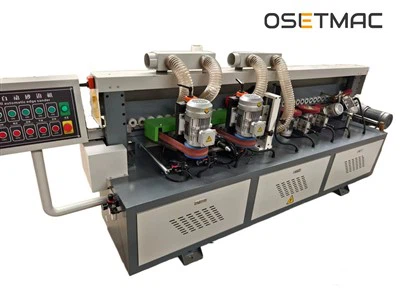 SYS-60D Automatic Edge Sanding MachineModel:SYS-60D. Voltage: 380V Three Phase 50Hz. Total power: 6KW. Max working thickness: 50mm. MinAdd to Inquiry
 -
 Sanding Machine For WoodChina wide belt sander is good for sanding small crafts and furniture parts. It is able to sandAdd to Inquiry
 -
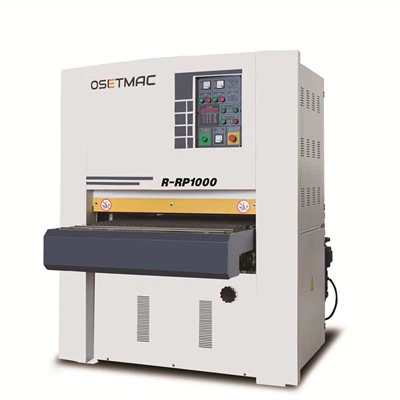 R-RP1000 Sanding MachineChina wide belt sander is good for sanding small crafts and furniture parts. It is able to sandAdd to Inquiry
 -
 Plywood Sanding MachineThis machine is suitable for the sanding or grinding of flat panels. It is widely applied to theAdd to Inquiry




Wechat: +86-18661895387
Whatsapp: +86-18661895387
- Email: info@osetmac.com
- Add: No.217 East Zhuhai Road, Huangdao District, Qingdao, Shandong Province, China
Why Choose Us
Our factory
Osetmac has been focusing on woodworking machinery for more than 8 years. Osetmac has a wholly-owned manufacturing plant - qingdao sanysan machinery company
Strong production market
Our products have been sold to more than 30 countries and regions including the middle east, southeast ASIA, Europe and South America.
Professional certification
The manufacturing plant has obtained ISO 9001 certification, and some major products have passed CE certification.
Good service embodiment
According to customer needs, recommend the most suitable products and provide a complete set of solutions. Confirm customer order details with the factory and follow up on production progress. Pay attention to changes in customer needs at any time and provide solutions in a timely manner. Collect customer feedback and solve problems encountered by customers during use in a timely manner.
Types of Belt Sanding Machine
Consideration must also be had to the sander belts that are used with any particular sander. Different grains and substrates will create a different effect or finish in the wood or metal. There are four main types, namely aluminum oxide sanding belts, zirconia alumina sanding belts, ceramic grit sanding belts, and silicon carbide sanding belts.
Aluminum oxide sander belts are suitable for all-purpose sanding and give a very professional finish. They are the most common type of sanding belt used for wood and are found typically in a red or brown shade. They can operate on a broad range of materials and can fit onto any type of sander.
Zirconia alumina sander belts are typically used in the metal industry as they function well with grinding and high-pressure sanding. These are heavy-duty belts, more so than aluminum oxide belts, and are commonly found in a blue hue. They are self-sharpening but require great pressure in their use and are best suited for metals and hardwood.
Ceramic grit sander belts have the coolest grind of all the belt materials available, and as such are well suited for materials that are sensitive to heat. They are known as the longest-lasting belts and like the zirconia alumina belts, they are self-sharpening. They provide a very controlled breakdown of the material, allowing it to be suitable for a great number of applications.
Silicon carbide sander belts are made out of silicon carbide, which is itself made of thin, long, and sharp fibres which assist in efficiently breaking down the material. As much as they are sharp, they are very sensitive and tend to break down quicker than other sanding belts. As such, they are rather suited for more particular applications, like marble, where minimal pressure is needed to shape the material.
Smoothing large surfaces
Belt sanding machines are excellent for quickly sanding large flat surfaces, such as tabletops, doors, and floors. They can remove unevenness, paint, or stains effectively.
Material removal
When working with rough or uneven surfaces, a belt sander can be used to remove excess material, shaping wood or other materials efficiently.
Stock removal in woodworking
In woodworking projects, a belt sander is useful for removing stock from the workpiece to get it closer to the desired shape or thickness.
Stripping paint and varnish
The aggressive sanding action of a belt sander makes it a great tool for stripping old paint, varnish, or other finishes from wooden surfaces.
Curved or shaped surfaces
Some belt sanding machine come with a front roller that allows them to be used on curved or irregular surfaces, making them handy for shaping and smoothing various wooden pieces.
Leveling and smoothing edges
Belt sanding machine can quickly level and smooth the edges of wood or other materials, providing a consistent and even finish.
Metalworking
In metal fabrication, belt sanding machine can be used for removing burrs, shaping metal pieces, and preparing surfaces for welding or painting.
Refinishing furniture
When restoring old furniture, a belt sander can be used to remove the old finish, preparing the surface for refinishing or staining.
A Comprehensive Guide to Choosing the Best Wide Belt Sanding Machine for Your Application
Determine your requirements
Before diving into the wide belt sanding machine market, assess your specific requirements. Consider factors such as the type and size of materials you'll be working with, desired sanding width and thickness capacity, production volume, and budget constraints. Understanding your needs will narrow down the options and help you make a more informed decision.
Sanding width and capacity
Wide belt sanding machines come in various widths, typically ranging from 24 to 60 inches or more. Choose a sander with a width that accommodates your largest workpieces comfortably. Additionally, consider the maximum thickness capacity of the sander to ensure it can handle your material thickness requirements without limitations.
Sanding performance and features
Evaluate the sanding performance and features offered by different wide belt sanding machines. Look for features such as variable speed control, adjustable sanding pressure, automatic thickness adjustment, and electronic tracking systems. These features enhance versatility, precision, and efficiency in sanding operations, leading to higher-quality results.
Power and motor size
The power and motor size of a wide belt sanding machine directly impact its sanding capabilities and productivity. Opt for a sander with adequate power to handle your workload efficiently. Consider factors such as motor horsepower, belt speed, and feed rate to ensure optimal performance and consistent results.
Dust collection system
Effective dust collection is crucial for maintaining a clean and safe working environment while operating a wide belt sanding machine. Choose a sander equipped with a reliable dust collection system that efficiently captures and contains dust and debris generated during sanding. This not only improves air quality but also reduces cleanup time and maintenance efforts.
Quality and durability
Invest in a high-quality wide belt sanding machine from reputable manufacturers known for their reliability and durability. Consider factors such as build quality, materials used, warranty coverage, and customer reviews to gauge the overall quality and longevity of the sander. Prioritize long-term performance and reliability over short-term cost savings.
Budget considerations
While it's essential to prioritize quality and performance, it's also important to stay within your budget constraints. Compare prices from different manufacturers and suppliers to find a wide belt sanding machine that offers the best value for your investment. Consider long-term cost savings, such as reduced maintenance and downtime, when evaluating the overall cost of ownership.
Consultation and demo
Before making a final decision, consult with industry experts and suppliers to gain insights and recommendations based on your specific needs. Request a demonstration or trial run of the selected wide belt sanding machine to evaluate its performance firsthand and ensure it meets your expectations before making a purchase.

Motor
The motor is responsible for driving the sanding belt and providing the necessary power for sanding operations. It can vary in power and speed, depending on the model and intended use.
Sanding belt
The sanding belt is a continuous loop of sandpaper that wraps around the rollers. It is available in various grits, allowing for different levels of cutting power, and can be easily replaced or interchanged to accommodate different sanding requirements.
Rollers
Belt sanders typically have two rollers - one at the front and one at the back. These rollers support and guide the sanding belt as it moves in a continuous loop during operation.
Tensioning mechanism
This mechanism allows for easy adjustment of the sanding belt's tension. This ensures optimal performance and prevents slippage during sanding.
How to Maintain Belt Sanding Machine
Regular cleaning
Regularly clean the various parts of the Industrial Grade Pneumatic Belt Sanding Machine, including the base, belt system, workbench, etc., to remove dust, oil and other debris to keep the equipment clean.
Check worn parts
Regularly check the wear degree of wearing parts such as sanding belts, rollers, tensioning devices, etc., and replace damaged parts in time to ensure the normal operation of the equipment.
Lubrication and maintenance
Regularly add lubricating oil to the moving parts of the Grinding Belt Sanding Machine to keep the rollers, bearings and other parts lubricated to reduce friction and wear.
Adjust parameters
Regularly check and adjust the working parameters of the belt sander, such as tension, tension of the belt, height and angle of the workbench, etc., to ensure processing quality and efficiency.
Safety inspection
Regularly check whether the safety devices of the belt sander are intact and effective, such as protective covers, emergency stop switches, etc., to ensure the safety of operators during operation.
Anti-rust treatment
For metal parts, anti-rust treatment should be carried out regularly to prevent the normal use of the equipment from being affected by rust.
Regular maintenance
Regular and comprehensive maintenance, including cleaning, lubrication, and inspection, should be performed to ensure that the equipment remains in good working condition after long-term use.
How to Choose a Belt Sanding Machine
Consider the specific projects you will be working on with the belt sanding machine. Different projects may require varying levels of power, precision, and versatility. Assess whether you will be focusing on heavy material removal, fine finishing, or a combination of both.
Evaluate the level of power and versatility needed for your projects. Consider the motor's horsepower rating and the sander's speed settings. Higher horsepower and variable speed options provide more control and flexibility for different materials and applications.
Evaluate the dust collection capabilities of the belt sanding machine. Effective dust collection not only keeps your work area cleaner but also improves visibility and reduces health risks associated with airborne particles. Look for models with efficient dust collection systems that can handle the amount of debris generated during sanding.
Determining your budget: Set a budget for your belt sanding machine purchase. Consider your specific needs, the frequency of use, and the level of quality required for your projects. Balancing your budget with the features and performance of different models will help you make an informed decision.
Considering these factors will help you choose the right belt sanding machine that aligns with your project requirements, budget, and desired level of performance and functionality.
Understanding the different types of belt sanding machines, such as handheld, stationary, floor, belt file, and tube belt sanding machines, allows you to select the right tool for your specific needs. Each type offers unique advantages and limitations, making them suitable for different tasks and work environments. When you understand your options and carefully consider your project requirements, you can confidently choose the right tool to achieve excellent sanding results.
Safety Precautions When Using the Belt Sanding Machine
Personal protective equipment
When using a belt sanding machine, you must wear personal protective equipment (ppe). This includes a dust mask, goggles, and gloves. A dust mask protects your lungs from inhaling dust particles, while goggles protect your eyes from flying debris. Gloves protect your hands from getting caught in the belt sanding machine or coming into contact with the sandpaper.
Clear the work area
Before starting the belt sanding machine, make sure the work area is clear of obstructions. This will prevent accidents and injuries.
Proper grip
Always hold the belt sanding machine firmly with both hands. Hold the trigger switch with one hand and the front knob handle with the other. This grip allows for better control and prevents both hands from coming into contact with the belt.
Avoid excessive pressure
Do not apply excessive pressure to a moving belt sanding machine. This can cause the sandpaper to tear and increase the risk of injury.
Keep cords clear
During operation, keep all cords away from the sanding area. This will prevent the cords from getting caught in the sander or coming into contact with the sandpaper.
Check the belt
Check the belt for wear regularly. Replace worn or frayed belts immediately to prevent accidents and injuries. By following these safety measures, users can ensure a safe and efficient experience when using a sander.
Our Factory
OSETMAC focuses on woodworking machines for over 8 years. OSETMAC has one wholly-owned manufacturing factories--Qingdao Three One Three Machinery Company. Our factories have been well-recognized as a professional woodworking machine producers. The main products of OSETMAC is sliding table saw, brush sanding machine, edge banding machine, wood drilling machine and CNC routers. What's more, our products have been sold to more than 30 countries and regions in Middle East, Southeast Asia, Europe and South America. OSETMAC is able to do our own R&D, deliver production task on time and provide customer service quickly. The manufacturing factories have already been granted ISO9001, and some of the main products have passed CE certificate.

Our Certificate


FAQ
As one of the most professional belt sanding machine manufacturers in China, we're featured by quality products and low price. Please rest assured to wholesale discount belt sanding machine from our factory. Contact us for customized service.
mdf plywood sanding machine, sand machine, sander machine