

Polishing Machine
What Is Polishing Machine?
A polishing machine is a device used to smooth and refine the surface of various materials, such as metal, wood, plastic, or stone. It typically consists of a rotating wheel or disc covered with an abrasive material, such as sandpaper or polishing pads.
Polishing machines are commonly used in industries like automotive, manufacturing, jewelry making, and woodworking. They can be manual or automated and come in various sizes and configurations depending on the specific application.
To use a polishing machine, you would typically attach the appropriate abrasive material to the rotating wheel or disc. Then, you would apply the material being polished against the spinning abrasive surface while exerting pressure to achieve the desired smoothness and shine.
Advantages of Polishing Machine
Efficiency and time-saving
Polishing machines are designed to automate the polishing process, resulting in increased efficiency and significant time savings. They can polish large areas or multiple parts simultaneously, reducing labor costs and improving productivity.
Consistency and precision
Polishing machines ensure consistent and uniform polishing results. They utilize advanced technology to control the polishing parameters, such as speed, pressure, and abrasive selection, resulting in precise and repeatable polishing outcomes.
Versatility
Polishing machines can be used on a wide range of materials, including metals, plastics, glass, and ceramics. They can handle different shapes, sizes, and surface profiles, making them suitable for various applications in industries such as automotive, aerospace, jewelry, and manufacturing.
Quality enhancement
By using polishing machines, the quality of the finished product is significantly improved. They can remove scratches, burrs, and other surface imperfections, resulting in smooth and flawless surfaces. Polishing machines can also achieve high gloss or mirror-like finishes, enhancing the aesthetic appeal of the material.
Safety and ergonomics
Polishing machines are designed with safety features to protect operators from potential hazards. They minimize the risk of injuries associated with manual polishing, such as repetitive strain injuries and exposure to harmful chemicals. Additionally, ergonomic designs ensure operator comfort and reduce fatigue during prolonged polishing operations.
-
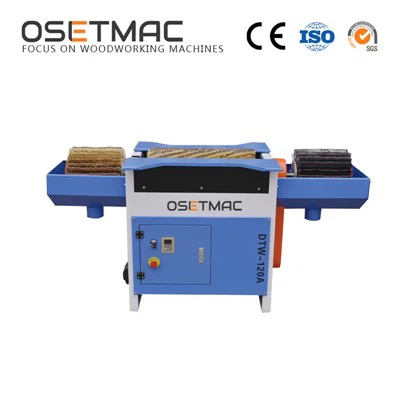 Polish MachineThe length of this type of wool roller is 300mm, which can realize two people work at the same time, which greatly improves work efficiency.. The machine body is made of 5mm steel plate, and all theAdd to Inquiry
-
 Cabinet Door Sanding MachineWood Brush Sanding Machine is mainly used for door plate and primer polishing, including solid wood doors, composite doors, sticker doors, cabinet doors, wardrobe doors, door polishing such as PU,Add to Inquiry
-
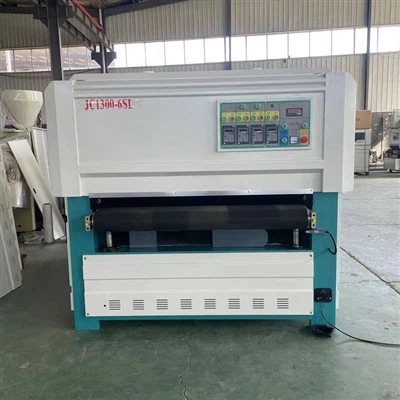 Disc Polishing MachineThis machine is suitable for the sanding or grinding of doors, cabinet, plywood, MDF and other panel furniture and solid wood furniture. It is widely applied to the board with primer, PE, PU, UVAdd to Inquiry
-
 Woodworking Sanding MachineThe primer wood sander is welded with cold plate and channel steel and after precise grinding precise thickness gauge display accurate adjustment of processing thickness.Add to Inquiry
-
 KZY-01 Small solid wood polishing machineDesigned for archaic floor, furniture, table-board, handicraft, the plane surface rivet and special design of a new generation of products, processed by this machine, the plane surface is skid-free,Add to Inquiry
-
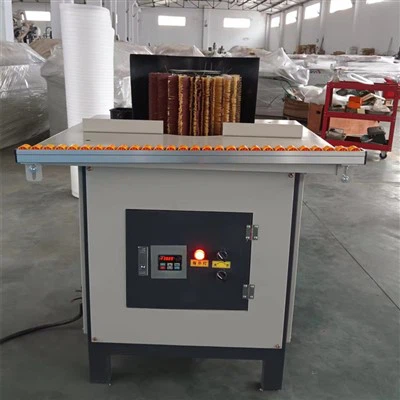 Polish Sanding MachineHigh-frequency speed regulating device, during operation, the speed of the hair roller can be adjusted appropriately according to the hardness of the grinding workpiece to ensure the quality of theAdd to Inquiry
-
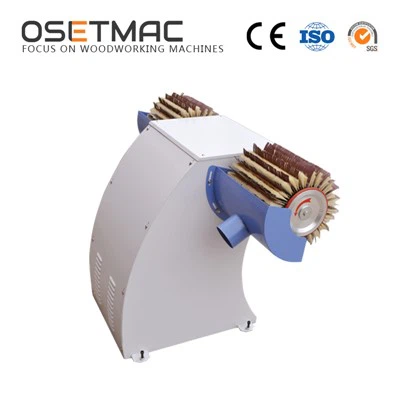 Horizontal Polishing MachineThe length of this type of wool roller is 300mm, which can realize two people work at the same time, which greatly improves work efficiency.. The machine body is made of 5mm steel plate, and all theAdd to Inquiry
-
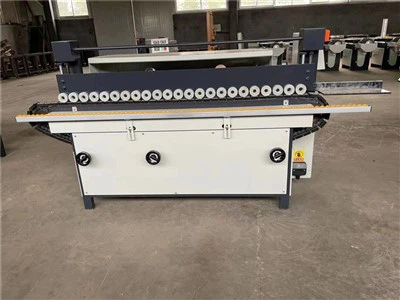 Side Sanding MachineThis US-DTL-60D automatic side polishing machine consumes a total of 2.62 KW per hour, and the wood polishing roller diameter of the machine is 300 mm (3 pcs). In addition, the wood polishing heightAdd to Inquiry



Wechat: +86-18661895387
Whatsapp: +86-18661895387
- Email: info@osetmac.com
- Add: No.217 East Zhuhai Road, Huangdao District, Qingdao, Shandong Province, China
Why Choose Us
Our factory
Osetmac has been focusing on woodworking machinery for more than 8 years. Osetmac has a wholly-owned manufacturing plant - qingdao sanysan machinery company
Strong production market
Our products have been sold to more than 30 countries and regions including the middle east, southeast ASIA, Europe and South America.
Professional certification
The manufacturing plant has obtained ISO 9001 certification, and some major products have passed CE certification.
Good service embodiment
According to customer needs, recommend the most suitable products and provide a complete set of solutions. Confirm customer order details with the factory and follow up on production progress. Pay attention to changes in customer needs at any time and provide solutions in a timely manner. Collect customer feedback and solve problems encountered by customers during use in a timely manner.
Types of Polishing Machine
Rotary polisher
The rotary polisher is one of the most traditional and powerful polishers. It uses a rotating circular polishing disc, usually at between 1200–3000 rpm. Rotary equipment is ideal for heavy-duty polishing jobs, such as removing deep scratches or oxidation from vehicle coatings.
Vibration polishing machine
Vibratory polishers polish by vibrating rather than rotating motion. The elliptical movement of the polishing head prevents flare marks and virtual images on the surface. It is very popular in the auto detailing industry and is considered a safer and more beginner-friendly polisher than a rotary.
Belt polisher
Belt polishers use a belt-drive-like construction that transmits power to the polished surface through an abrasive belt. It uses an elliptical motion similar to that of a vibrating polisher and has high speed and power, making it suitable for treating uneven surfaces.
Automatic polishing machine
The automatic polishing machine is an efficient polishing equipment usually used for batch processing in industrial production lines. It has automated functions that can complete multiple work steps without manual intervention. This polishing machine has a three-axis or four-axis design that can control its movement in three-dimensional space.
Handheld polisher
Handheld polishers typically run on batteries or power supplies and are ideal for single surface polishing and small area touch-ups. Due to its portability and flexibility, this polisher is also ideal for treating uneven or hard-to-reach areas.
Components of Polishing Machine
Motor
The motor is the core component of the polishing machine, providing mechanical power to drive the operation of the entire polishing machine. Usually, high-power, high-speed motors are used to provide sufficient torque and speed to ensure the efficiency and quality of polishing work.
Main body
The main frame is the supporting structure of the polishing machine, carrying and fixing other components. Usually made of solid metal materials with a stable structure to ensure the smoothness and safety of the polishing machine during operation.
Polishing disc
The polishing disc is a replaceable tool on the polishing machine, used to install polishing pads or abrasive sheets. Usually made of metal or composite materials, it has certain wear resistance and corrosion resistance and can withstand the pressure during high-speed rotation and polishing.
Polishing pad
The polishing pad is a component installed on the polishing disc and is used to polish the surface of the material. Polishing pads are usually made of soft and wear-resistant materials, such as sponges, flannel, etc., which can provide appropriate pressure and friction to achieve different polishing effects.
Control panel
The control panel is the operating interface of the polishing machine and is used to adjust the speed, time and other parameters of the polishing machine. It usually includes elements such as buttons, knobs, and displays, allowing users to easily control and monitor the polishing process.
Supply system
The supply system is used to provide lubricant or coolant to the polishing area to reduce friction and heat during polishing and ensure the smoothness of the polished surface. The liquid supply system usually includes water tanks, nozzles, pipes and other components.
Waste disposal system
The waste disposal system is used to clean and collect waste and residues generated during the polishing process. It usually includes components such as vacuum cleaners and sewage pipes to ensure that the working environment is clean and tidy.
How to Maintain Polishing Machine
Clean your polisher
Regular cleaning is an important step in maintaining your polisher. Use a soft cloth or paper towel to wipe the polisher housing and surface to remove dust, stains, and residue. Avoid using wet cloth or water to come into contact with the motor or control parts to prevent circuit short circuit or malfunction.
Replace the grinding disc and bristles
Depending on the frequency of use and degree of wear, it is necessary to regularly replace the grinding disc and bristles of the polishing machine. Using worn discs or bristles may result in less effective sanding or damage to the floor surface. Follow manufacturer's recommendations for appropriate replacement parts.
Check the power cord and plug
Regularly check whether the power cord and plug of the polishing machine are intact. If they are worn or damaged, they should be replaced in time. Make sure the power cord has no exposed wires or damaged insulation to avoid the risk of electric shock.
Keep the machine body balanced
When using the polishing machine, keep the machine body balanced and stable. Avoid applying excessive pressure or tilting the polisher to avoid damage to the body or uneven polishing results. Keep a firm grip on the handle or handle of the polisher during operation to ensure control and smooth movement.
Pay attention to the working environment
The working environment of the polishing machine also needs to be paid attention to. Make sure the area where the polisher is used is well ventilated to prevent dust and debris from entering the interior of the polisher to prevent malfunction or affect the polishing effect. Take extra care when using the polisher in a humid environment to avoid water droplets getting into the motor or control parts.
Regular maintenance inspections
In addition to daily cleaning and maintenance, regular comprehensive maintenance inspections are also necessary. According to the manufacturer's recommendations, regularly inspect the internal structure of the polishing machine and clean or replace wearable parts such as pulleys, bearings and transmission belts. Maintenance inspections can detect problems in time and take corresponding repair measures to avoid greater failure and damage.
Follow instructions
Last but not least, always follow the instructions and safety guidelines for your polisher. Do not overload the polisher and avoid overheating caused by long-term continuous use. Be sure to understand the function and use of each control button before operation, and follow all safe operating procedures.
Safety first
Before using a polishing machine, it is essential to take safety precautions to prevent accidents. Always wear protective gear such as safety glasses, a dust mask, and gloves to protect your eyes, lungs, and skin from the dust and debris generated during polishing. Additionally, ensure that the work area is well-ventilated to prevent dust buildup and minimize the risk of fire hazards. Finally, disconnect the power supply before changing any polishing wheels or performing maintenance on the machine.
Choose the right polishing wheel
Selecting the appropriate polishing wheel for your project is critical to achieving the desired finish. Polishing wheels come in different materials, sizes, and grits, depending on the type of material you are polishing. For example, a buffing wheel made of soft material such as felt or cotton is suitable for polishing soft metals such as aluminum or copper, while a hard felt or sisal wheel is ideal for polishing hard metals such as steel. Additionally, consider the size of the polishing wheel, with larger wheels being more suitable for bigger projects.
Prepare the workpiece
Before polishing, it is essential to prepare the workpiece by removing any rust, dirt, or paint. Use sandpaper, wire brush, or a grinder to remove any unwanted debris and smoothen the surface. Ensure that the surface is free of any blemishes or dents before proceeding to the next step.
Apply polishing compound
Polishing compounds are used to enhance the performance of the polishing machine by lubricating the surface and removing any scratches or dullness. Choose the right polishing compound depending on the material being polished and apply a small amount on the polishing wheel, spreading it evenly. A pea-sized amount is enough for small projects, while larger projects require more compound.
Start polishing
Turn on the polishing machine and hold the workpiece against the polishing wheel, applying light pressure. Move the workpiece around the wheel in a circular motion to ensure even polishing. Avoid applying too much pressure or overheating the surface, as this can cause burn marks or damage the material. If necessary, apply more polishing compound and repeat the process until the desired finish is achieved.
Finishing
After polishing, clean the surface with a soft cloth to remove any excess polishing compound and inspect for any missed spots. If there are any imperfections, repeat the polishing process until you achieve the desired finish. Once satisfied with the result, turn off the polishing machine and disconnect the power supply.

Define your needs
Determine the type, size and performance of the polisher you need. Depending on your application field and specific requirements, choose the type of polishing machine that suits your needs, such as rotary polishing machine, vibration polishing machine, etc.
Research brands and suppliers
Learn about different brands of polishing machine manufacturers and suppliers. Check their official website, product catalog and customer reviews to learn about their product quality, technical support, after-sales service and other information.
Compare price and performance
Compare the price and performance of different brands and models of polishers. Comprehensively consider factors such as price, functionality, quality, and service to select the product with the highest price/performance ratio.
Find reliable sales channels
Choose formal, well-known sales channels or dealers to purchase polishing machines. Make sure it is qualified, reputable, and provides warranty and after-sales service.
Consult professionals
If you are not familiar with polishing machines, you can consult professionals, such as polishing machine sales agents, engineers or practitioners in related industries. They can provide you with professional advice and guidance.
The basic principle of a polishing machine is to apply friction and pressure on the surface of the material, with the help of an abrasive material, to remove any roughness or unevenness. The machine consists of a rotating disc or wheel, typically made of a hard material such as steel or aluminum, that is coated with an abrasive material, such as sandpaper, polishing compounds, or diamond powder. The disc is attached to a motor, which rotates it at high speeds, often up to several thousand revolutions per minute.
To use a polishing machine, the operator typically places the material to be polished onto the rotating disc or wheel, holding it firmly against the abrasive surface. The operator then applies pressure to the material, moving it back and forth or in a circular motion, while the disc continues to rotate. The abrasive material removes any rough spots, scratches, or other imperfections on the surface, leaving it smooth and shiny.
Different types of polishing machines may use different types of abrasive materials and techniques, depending on the material being polished and the desired finish. For example, a metal polishing machine may use a series of increasingly finer grits of sandpaper, followed by polishing compounds or pastes, to achieve a mirror-like finish on the metal surface. A glass polishing machine may use diamond powder or cerium oxide to remove scratches and create a smooth surface.
Polishing machines can be operated manually or with the help of computerized controls, depending on the complexity of the task and the level of precision required. Some machines may also include additional features, such as water cooling systems, to prevent overheating and damage to the material being polished.

Safety Precautions When Using the Polishing Machine
Personal protective equipment
Wearing appropriate personal protective equipment is essential to protect yourself from potential hazards. When using a polishing machine, make sure to wear safety goggles or a face shield to shield your eyes and face from flying debris. Additionally, wear gloves to protect your hands from sharp edges and rotating parts. It is also advisable to wear ear protection to reduce noise exposure.
Machine inspection and maintenance
Before operating the polishing machine, conduct a thorough inspection to ensure that it is in proper working condition. Check for any loose or damaged parts, such as belts, guards, or electrical connections. Make sure all safety features, such as emergency stop buttons, are functional. Regularly clean and lubricate the machine as per the manufacturer's instructions to maintain its efficiency and prolong its lifespan.
Workspace preparation
Create a safe and organized workspace before using the polishing machine. Clear any clutter or obstacles that may interfere with the machine's operation. Ensure there is adequate lighting in the area to see the workpiece clearly. If necessary, use clamps or fixtures to secure the workpiece firmly in place, preventing any movement during the polishing process.
Proper handling of abrasives and polishing compounds
When using abrasives and polishing compounds, it is important to handle them with care. Follow the manufacturer's instructions regarding their application, storage, and disposal. Avoid excessive pressure or overloading the machine with abrasive materials, as this can lead to overheating and damage to the workpiece or the machine itself. Use the appropriate amount of polishing compound to achieve the desired finish without causing unnecessary wear on the machine.
Correct technique and speed
Using the correct technique and speed is crucial for achieving optimal results and preventing accidents. Start the polishing machine at a low speed and gradually increase it to the recommended level. Apply even pressure on the workpiece, moving it in a consistent and controlled manner. Avoid sudden movements or excessive force, as this can lead to uneven polishing or damage to the workpiece.
Adequate ventilation
Polishing processes can generate dust, fumes, and heat, which can be harmful if not properly ventilated. Ensure that the workspace has adequate ventilation to dissipate these byproducts. If working in an enclosed area, consider using local exhaust ventilation or wearing a respirator to protect yourself from inhaling harmful particles or chemicals.
Training and supervision
Proper training and supervision are essential for anyone operating a polishing machine. Ensure that operators are adequately trained in machine operation, safety procedures, and emergency protocols. Regularly review and update safety guidelines to address any new risks or concerns. Supervisors should actively monitor the operation and provide guidance when needed.
Our Factory
OSETMAC focuses on woodworking machines for over 8 years. OSETMAC has one wholly-owned manufacturing factories--Qingdao Three One Three Machinery Company. Our factories have been well-recognized as a professional woodworking machine producers. The main products of OSETMAC is sliding table saw, brush sanding machine, edge banding machine, wood drilling machine and CNC routers. What's more, our products have been sold to more than 30 countries and regions in Middle East, Southeast Asia, Europe and South America. OSETMAC is able to do our own R&D, deliver production task on time and provide customer service quickly. The manufacturing factories have already been granted ISO9001, and some of the main products have passed CE certificate.

Our Certificate


FAQ
As one of the most professional polishing machine manufacturers in China, we're featured by quality products and low price. Please rest assured to wholesale discount polishing machine from our factory. Contact us for customized service.
hot selling woodworking machine, woodworking horizontal polishing machine, good quality