

In the realm of woodworking, an automatic edge banding machine is a crucial piece of equipment that significantly enhances the efficiency and quality of the edge banding process. As a seasoned supplier of automatic edge banding machines, I've witnessed firsthand the various differences between high - end and low - end models. These disparities can affect not only the performance and output quality but also the long - term investment and profitability of a woodworking business.
1. Build Quality and Durability
The build quality of an edge banding machine often serves as the first indicator of its class. High - end automatic edge banding machines are typically constructed with superior materials. For instance, they use high - grade steel for the machine frame, which provides excellent stability and resistance to wear and tear. This robust construction ensures that the machine can withstand continuous and heavy - duty operation over an extended period.
In contrast, low - end machines may use thinner or lower - quality steel, which can lead to vibrations during operation. These vibrations can negatively impact the precision of the edge banding process, resulting in uneven edges or poor adhesion of the edge band. Moreover, the components of low - end machines are generally less durable, meaning they may require more frequent repairs and replacements.
As a supplier, I always emphasize to my customers that investing in a high - quality machine can save them money in the long run. A well - built high - end machine may have a higher upfront cost, but its durability reduces the need for costly maintenance and replacement parts.
2. Precision and Accuracy
Precision is of utmost importance in edge banding. High - end automatic edge banding machines are equipped with advanced control systems and sensors that ensure extremely accurate positioning of the edge band. These machines can achieve tolerances as low as a few hundredths of a millimeter. This high level of precision is essential for producing high - quality finished products, especially in the furniture manufacturing industry where aesthetics play a significant role.
For example, high - end machines use servo - motor - driven systems for feeding and cutting the edge band. These systems can precisely control the speed and length of the edge band, ensuring a perfect fit every time. In addition, they are often equipped with laser sensors to detect the exact position of the workpiece, allowing for accurate application of the edge band.
On the other hand, low - end machines may lack these advanced control features. They usually rely on simpler mechanical systems, which are less accurate. This can result in visible gaps between the edge band and the workpiece or uneven cutting of the edge band, leading to a less professional appearance of the final product.
If you are interested in learning more about our high - precision edge banding machines, you can visit our Woodworking Edgebanders page.
3. Functionality and Versatility
High - end automatic edge banding machines offer a wider range of functions compared to their low - end counterparts. They can handle different types of edge band materials, such as PVC, wood veneer, and melamine. These machines are also capable of performing multiple operations in one pass, including pre - milling, gluing, edge band application, trimming, scraping, and buffing.
For example, some high - end machines have a built - in profiling function, which allows for the creation of custom - shaped edges. This feature is particularly useful for high - end furniture manufacturers who want to offer unique designs to their customers.
In contrast, low - end machines usually have a more limited set of functions. They may only be able to perform basic edge banding operations, such as gluing and trimming. This lack of versatility can be a significant drawback for businesses that need to work with different materials or produce a variety of products.
Our Pvc Edge Banding Machine is a great example of a high - functionality machine that can handle PVC edge banding with ease. And for those who need double - sided edge banding, our Double Sided Edge Banding Machine offers exceptional performance.
4. Speed and Productivity
Another area where high - end and low - end machines differ is in speed and productivity. High - end automatic edge banding machines are designed to operate at much higher speeds. They are equipped with powerful motors and efficient feeding systems that can significantly reduce the cycle time of the edge banding process.
For example, a high - end machine can band an edge at a speed of up to 30 - 60 meters per minute, depending on the complexity of the process. This high speed allows woodworking businesses to increase their production capacity and meet tight deadlines.
In contrast, low - end machines typically have lower operating speeds, often in the range of 10 - 20 meters per minute. This slower speed can limit the production output of a business and make it less competitive in the market.
5. Ease of Use and Maintenance
High - end automatic edge banding machines are designed with user - friendliness in mind. They usually come with intuitive control panels that allow operators to easily adjust the machine settings. These control panels may include touch - screen interfaces, which provide clear and easy - to - understand instructions.
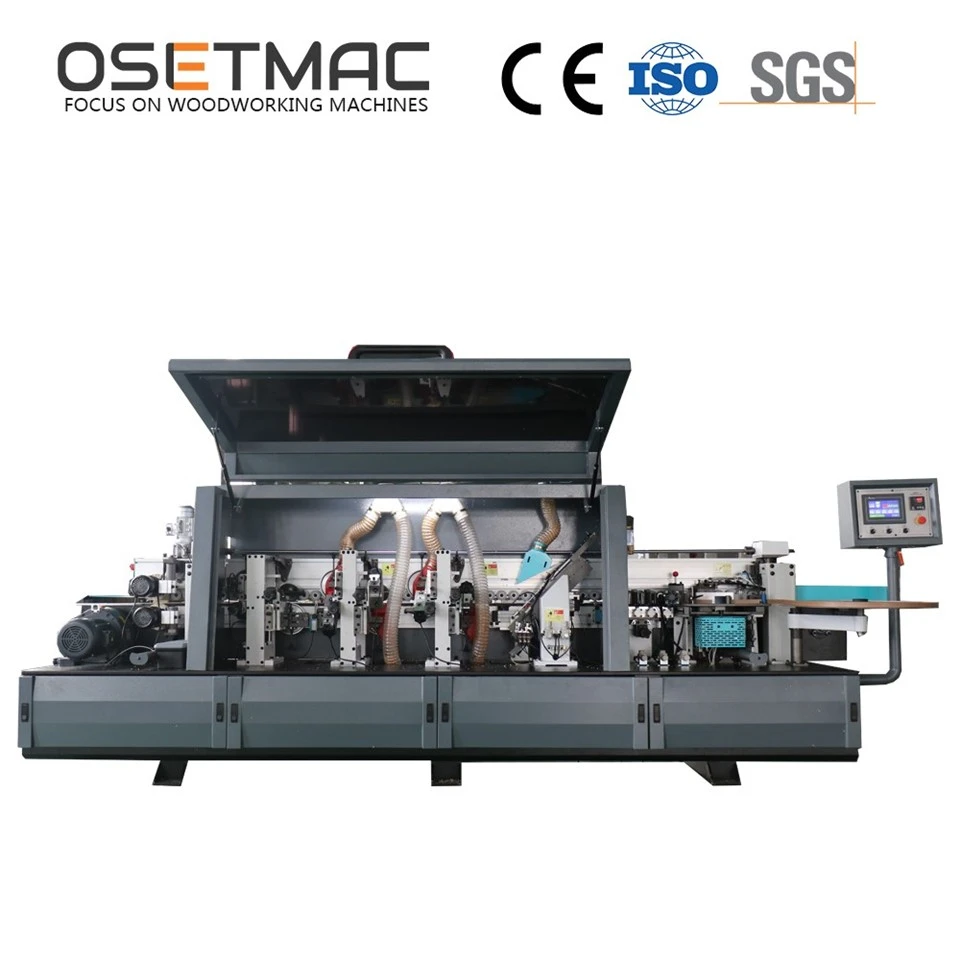

In addition, high - end machines are often equipped with self - diagnostic systems that can detect and troubleshoot problems automatically. This feature not only reduces the downtime of the machine but also makes it easier for operators to maintain the machine.
Low - end machines, on the other hand, may have more complex and less intuitive control systems. They may lack self - diagnostic features, making it more difficult for operators to identify and fix problems. This can lead to longer downtime and increased maintenance costs.
6. After - Sales Support
As a supplier, I understand the importance of after - sales support. High - end automatic edge banding machine suppliers typically offer comprehensive after - sales services, including installation, training, and technical support. They have a team of experienced technicians who can quickly respond to any issues and provide on - site repairs if necessary.
In contrast, low - end machine suppliers may offer limited after - sales support. They may not have a dedicated technical support team or may charge high fees for maintenance and repairs. This can be a significant concern for businesses that rely on their edge banding machines for their daily operations.
Conclusion and Call to Action
In conclusion, the differences between high - end and low - end automatic edge banding machines are significant. While low - end machines may have a lower upfront cost, they often come with limitations in terms of build quality, precision, functionality, speed, ease of use, and after - sales support. High - end machines, on the other hand, offer superior performance and long - term value.
If you are in the market for an automatic edge banding machine, I encourage you to carefully consider your needs and budget. Investing in a high - end machine can be a wise decision that will pay off in the long run. Whether you are a small - scale woodworking shop or a large - scale furniture manufacturer, we have the right edge banding machine for you. Contact us today to discuss your requirements and start a procurement negotiation.
References
- "Woodworking Machinery Handbook", various authors, published by a leading woodworking industry publisher.
- Industry reports on the automatic edge banding machine market from well - known market research firms.


