

Hey there! As a supplier of solid wood polishing machines, I've been getting a lot of questions lately about the vibration situation during operation. So, I thought I'd take a deep dive into this topic and share some insights with you all.
First off, let's talk about why vibration matters. When a solid wood polishing machine vibrates excessively, it can lead to a bunch of problems. For starters, it affects the quality of the polishing job. Uneven vibrations can cause inconsistent sanding and polishing, leaving behind rough spots or uneven finishes on the wood. This is a big no - no, especially when you're working on high - end furniture or cabinet doors where a smooth and flawless finish is crucial.
Another issue is the wear and tear on the machine itself. Excessive vibration puts extra stress on the machine's components, like the motors, belts, and bearings. Over time, this can lead to premature failure of these parts, which means more downtime for repairs and higher maintenance costs. And let's not forget about the safety aspect. A vibrating machine can be unstable, increasing the risk of accidents for the operator.
So, what causes the vibration in a solid wood polishing machine? There are several factors at play.
One of the most common causes is an imbalance in the rotating parts. For example, if the sanding drums or polishing pads are not properly balanced, they can create a centrifugal force that causes the machine to vibrate. This can happen due to manufacturing defects, uneven wear of the sanding media, or improper installation.
The condition of the machine's base and mounting also matters. If the machine is not properly installed on a stable surface, it can start to vibrate. A wobbly or uneven base won't provide the necessary support, and the vibrations generated during operation won't be absorbed effectively.
The type of wood being processed can also influence the vibration. Hardwoods and softwoods have different densities and grain structures. Hardwoods, for instance, can be more resistant to sanding, which may cause the machine to work harder and potentially vibrate more. Also, if the wood has knots or other irregularities, it can disrupt the smooth operation of the machine and lead to vibrations.
Now, let's look at how we can deal with these vibration issues.
Regular maintenance is key. This includes checking and balancing the rotating parts on a regular basis. You can use specialized balancing equipment to ensure that the sanding drums and polishing pads are perfectly balanced. Also, make sure to replace worn - out sanding media promptly. Old or unevenly worn sandpaper can cause imbalances and increase vibration.
Proper installation is also crucial. Make sure the machine is installed on a flat, stable surface. You might even consider using vibration - dampening pads or mounts to reduce the transmission of vibrations to the surrounding environment. These pads can absorb some of the shock and make the machine more stable during operation.
When it comes to the wood itself, it's a good idea to pre - process the wood to remove any knots or irregularities. This can make the sanding and polishing process smoother and reduce the chances of excessive vibration.
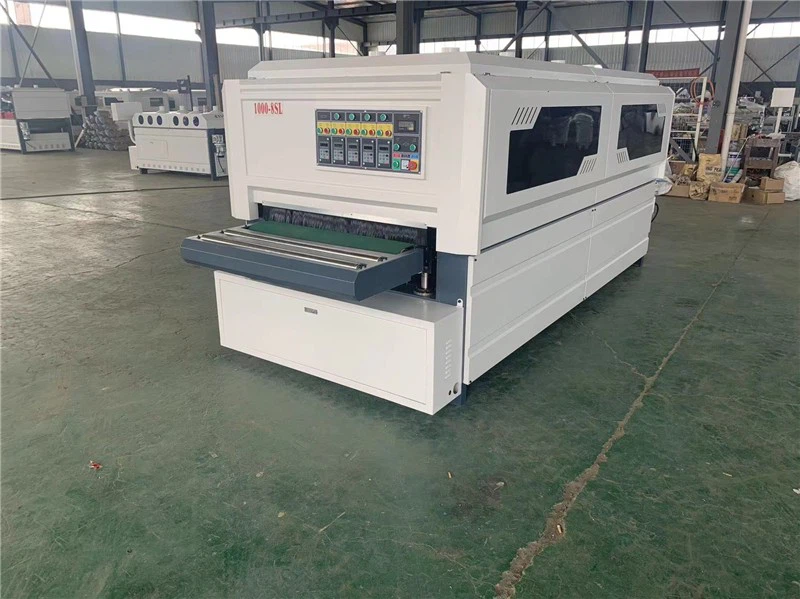
As a supplier, we offer a range of solid wood polishing machines that are designed to minimize vibration. Our Woodworking Sanding Machine is equipped with advanced balancing technology to ensure smooth operation. It's suitable for a variety of woodworking applications, from small - scale furniture making to large - scale production.
If you're specifically working on cabinet doors, our Cabinet Door Sanding Machine is a great choice. It's designed to provide a precise and even finish on cabinet doors, with features that help reduce vibration and improve stability.
And for those who prefer a more hands - on approach, our Polish Sanding Machine offers a reliable and efficient solution. It's easy to operate and can handle different types of wood with minimal vibration.
In conclusion, understanding the vibration situation of a solid wood polishing machine is essential for achieving high - quality results, reducing maintenance costs, and ensuring operator safety. By taking the right steps to address vibration issues, you can make your woodworking process more efficient and productive.
If you're in the market for a solid wood polishing machine or have any questions about vibration or our products, don't hesitate to reach out. We're here to help you find the best solution for your woodworking needs. Whether you're a small workshop owner or a large - scale manufacturer, we have the expertise and the products to meet your requirements. Let's start a conversation and see how we can work together to take your woodworking to the next level.
References

- Woodworking Machinery Handbook: A comprehensive guide on the operation and maintenance of woodworking machines.
- Journal of Wood Science and Technology: Articles on the latest research and developments in woodworking technology, including vibration analysis in polishing machines.


