

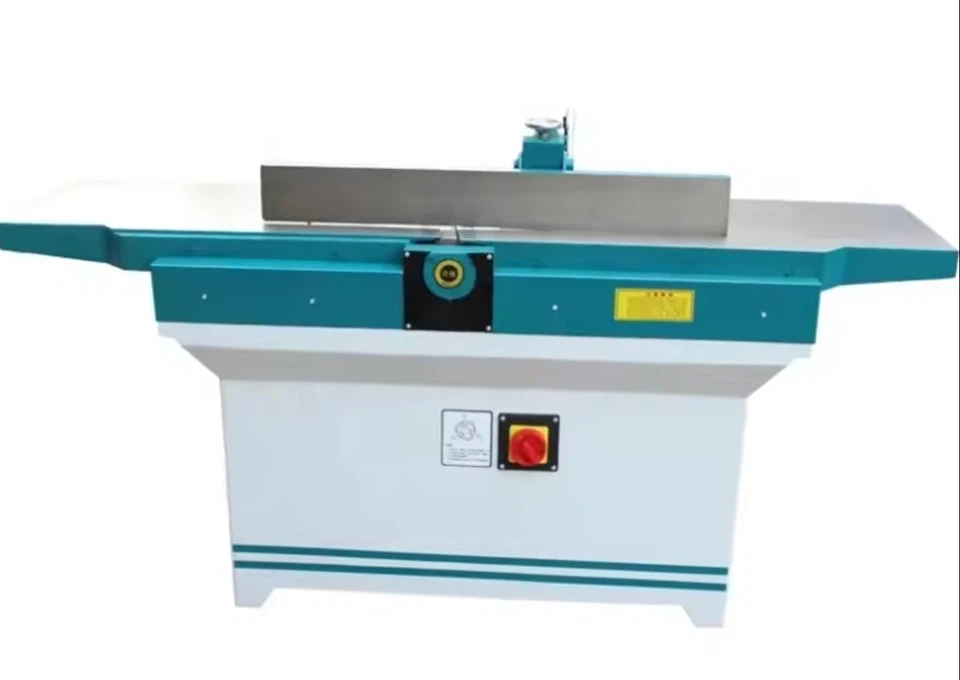
As a supplier of planers and spindle moulders, I understand the importance of proper storage for these valuable woodworking machines. Storing them correctly not only extends their lifespan but also ensures they remain in optimal working condition. In this blog, I'll share the best practices for storing planers and spindle moulders, drawing from my experience in the industry.
Preparation before Storage
Before you store your planer and spindle moulder, it's crucial to carry out a thorough cleaning process. Wood dust, shavings, and debris can accumulate in the machine during operation, leading to corrosion and premature wear of components if left unattended. Start by turning off the machine and unplugging it from the power source. Use a brush or compressed air to remove loose dust from the surface and internal parts of the machine. Pay special attention to the cutting blades, spindles, and feed mechanisms.
Next, clean the cutting blades. Remove any resin or pitch buildup using a suitable blade cleaner. This not only helps maintain the sharpness of the blades but also prevents them from rusting. After cleaning, dry the blades thoroughly and apply a light coat of rust - preventive oil.
Inspect the entire machine for any signs of damage or wear. Check the belts, pulleys, and drive mechanisms. If you notice any loose or damaged parts, repair or replace them before storing the machine. Tighten any loose bolts or screws to ensure the structural integrity of the machine.
Ideal Storage Environment
The storage environment plays a significant role in the preservation of planers and spindle moulders. The ideal location should be dry, clean, and well - ventilated. Avoid storing the machines in areas prone to moisture, such as basements without proper ventilation or near open water sources.
Moisture can cause rust and corrosion on metal parts, and it can also damage the electrical components. If the storage area has high humidity levels, consider using a dehumidifier to maintain a relative humidity of around 40 - 50%.
Temperature is another important factor. Extreme temperatures can affect the performance of the machine. Avoid storing planers and spindle moulders in areas that are too hot or too cold. Fluctuations in temperature can cause expansion and contraction of materials, leading to misalignment and damage to the machine. A stable temperature of around 20 - 25°C is ideal.
Storage Methods
Covering the Machine
Once the machine is clean and dry, cover it with a high - quality, dust - proof cover. There are many types of covers available on the market, made from materials such as canvas, vinyl, or polyester. These covers protect the machine from dust, dirt, and accidental scratches.
Make sure the cover fits the machine properly and covers all exposed parts. Some covers come with elastic hems or drawstrings that can be tightened around the base of the machine to provide a more secure fit.
Storing Spare Parts
If you have spare parts for your planer and spindle moulder, such as blades, spindles, or belts, it's important to store them properly as well. Keep the spare parts in a dedicated storage box or cabinet. Label each part clearly to make it easy to find when needed.
For blades, store them in a blade holder or a special blade case to prevent them from getting dull or damaged. Coat the blades with a rust - preventive oil before storage.
Using Storage Racks
If possible, store the planer and spindle moulder on a sturdy storage rack. This helps keep the machine off the ground, reducing the risk of damage from moisture and accidental bumps. Make sure the storage rack is designed to support the weight of the machine and is stable.
When placing the machine on the rack, ensure it is level and balanced. Uneven storage can cause stress on certain parts of the machine, leading to premature wear.
Long - term Storage Considerations
If you plan to store the planer and spindle moulder for an extended period, there are additional steps you can take.
First, drain any fluids from the machine, such as lubricating oil or coolant. This prevents the fluids from deteriorating and causing damage to the internal components over time.
Second, disconnect the electrical components and store them separately in a dry and protected area. Wrap the electrical cords neatly and secure them with cable ties to prevent tangling.
Third, consider applying a protective coating to the exposed metal surfaces of the machine. There are many anti - rust sprays or coatings available that can provide an extra layer of protection against corrosion.
Benefits of Proper Storage
Proper storage of planers and spindle moulders offers several benefits. By keeping the machine clean and protected from the elements, you can significantly extend its lifespan. This means you won't have to replace the machine as frequently, saving you money in the long run.
In addition, a well - stored machine is more likely to perform at its best when you start using it again. You'll avoid issues such as misaligned parts, dull blades, and electrical problems, which can lead to a more efficient and productive woodworking process.
Conclusion
Storing planers and spindle moulders correctly is essential for their longevity and performance. By following the steps outlined in this blog, including proper cleaning, choosing the right storage environment, using appropriate storage methods, and taking long - term storage considerations, you can ensure that your machines remain in top - notch condition.
If you're in the market for high - quality planers and spindle moulders, we can offer you a wide range of products. Take a look at our Wood Planers Thicknesser, MB505 3KW woodworking planer, and Solid Wood Moulder. If you have any questions or would like to discuss your specific requirements, please feel free to contact us for procurement and negotiation.

References
- Woodworking Machinery Handbook
- Guide to Maintaining and Storing Industrial Tools


