An automatic edge banding machine is a vital piece of equipment in the woodworking industry, used to apply edge banding to the edges of wooden panels, enhancing their appearance and durability. Regular cleaning of this machine is crucial to ensure its optimal performance, extend its service life, and maintain the quality of the finished products. As a supplier of automatic edge banding machines, I'd like to share some professional tips on how to clean an automatic edge banding machine.
Pre - cleaning Preparations
Before starting the cleaning process, it's essential to take some safety precautions. First, turn off the power supply of the machine to prevent any accidental start - up during the cleaning. This is a fundamental safety measure to protect yourself from potential mechanical and electrical hazards.
Next, gather all the necessary cleaning tools and materials. You'll need a soft - bristle brush, a clean cloth, a vacuum cleaner, a suitable cleaning agent (such as a mild detergent for general cleaning and a specialized adhesive remover for sticky residues), and some lubricants. Make sure these tools are clean and in good condition.
Cleaning the Exterior
The exterior of the automatic edge banding machine can accumulate dust, debris, and stains over time. Start by using a soft - bristle brush to gently sweep away loose dust and dirt from the surface of the machine. Pay special attention to the corners and crevices where dust tends to accumulate.
After brushing, dampen a clean cloth with a mild detergent solution. Wring out the cloth well to avoid excessive moisture on the machine. Then, wipe the exterior surfaces of the machine, including the control panel, the frame, and the housing. Be careful not to let any liquid seep into the electrical components. Once you've wiped the entire exterior, use a dry cloth to dry the surfaces thoroughly.
Cleaning the Glue System
The glue system is one of the most critical parts of an automatic edge banding machine, as it is responsible for applying the adhesive to the edge banding. Over time, glue can build up in the glue pot, glue pipes, and glue rollers, which can affect the quality of the bonding.
First, turn off the glue heater and let the glue cool down to a safe temperature. Once cooled, remove the remaining glue from the glue pot using a spatula or a scraper. Be careful not to scratch the surface of the glue pot. Then, use a specialized adhesive remover to clean the inside of the glue pot. Apply the remover according to the manufacturer's instructions, and use a brush to scrub the pot gently to remove stubborn glue residues.
For the glue pipes, disconnect them from the machine carefully. Flush the pipes with a suitable cleaning solvent to remove any glue blockages. You may need to use a pipe brush to clean the inside of the pipes thoroughly. After cleaning, reconnect the pipes and make sure they are properly sealed.
The glue rollers also need regular cleaning. Remove the glue rollers from the machine according to the manufacturer's instructions. Use a solvent recommended by the machine manufacturer to clean the rollers. Soak a cloth in the solvent and wipe the rollers gently to remove the glue. Be careful not to damage the surface of the rollers, as any scratches can affect the glue application.
Cleaning the Cutting and Trimming Units
The cutting and trimming units of the automatic edge banding machine are used to cut and trim the edge banding to the correct length and shape. These units can accumulate sawdust, wood chips, and glue residues, which can affect the cutting accuracy and the quality of the finished edges.
Start by using a vacuum cleaner to remove loose sawdust and wood chips from the cutting and trimming units. Pay close attention to the blades, guides, and the cutting table. Make sure to clean all the nooks and crannies where debris can collect.
For the blades, use a blade cleaner or a solvent to remove any glue or resin residues. Be extremely careful when handling the blades, as they are very sharp. Use a soft - bristle brush to gently scrub the blades, and then wipe them dry with a clean cloth.
After cleaning the blades, check their sharpness. If the blades are dull, they should be replaced according to the manufacturer's recommendations. Dull blades can cause rough cuts and affect the overall quality of the edge banding.
Cleaning the Conveyor System
The conveyor system is responsible for transporting the wooden panels through the edge banding machine. It can accumulate dust, debris, and glue residues, which can affect the smooth movement of the panels.
Use a vacuum cleaner to remove loose debris from the conveyor belts and rollers. Then, dampen a cloth with a mild detergent solution and wipe the conveyor belts and rollers to remove any sticky residues. Make sure to clean both the top and bottom surfaces of the belts.
Check the tension of the conveyor belts. If the belts are too loose or too tight, they can cause uneven movement of the panels. Adjust the tension according to the manufacturer's instructions. Also, lubricate the conveyor rollers regularly to ensure smooth rotation.
Cleaning the Edge Banding Feeding System
The edge banding feeding system is used to supply the edge banding material to the machine. This system can also accumulate dust, debris, and glue residues, which can affect the feeding accuracy.
Use a brush to remove loose dust and debris from the edge banding feeding guides, rollers, and cutters. Then, use a cloth dampened with a cleaning solvent to wipe the surfaces of these components. Pay special attention to the feeding rollers, as any dirt or glue on them can cause the edge banding to slip or misfeed.
Post - cleaning Checks
After completing the cleaning process, it's important to perform a series of post - cleaning checks. First, visually inspect the entire machine to make sure that all parts have been cleaned thoroughly and that there are no remaining debris or residues.

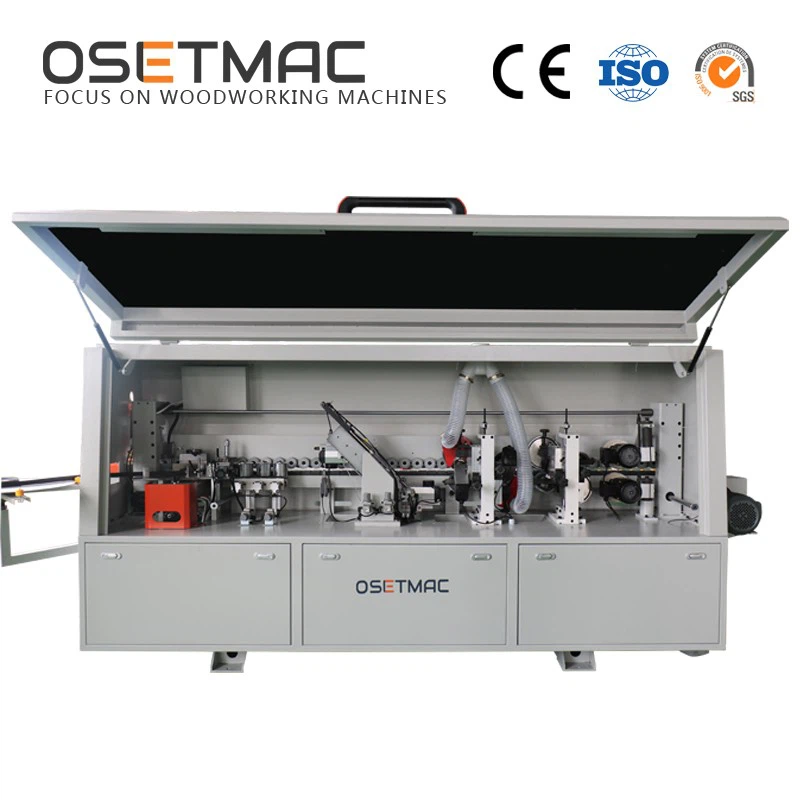
Next, reconnect all the components that were disconnected during the cleaning process, such as the glue pipes and the rollers. Make sure they are properly installed and tightened.
Then, turn on the power supply of the machine and perform a test run. Check the operation of all the functions, including the glue application, the cutting, the trimming, and the feeding. Listen for any abnormal noises or vibrations, which may indicate a problem with the machine.
Maintenance and Frequency
Regular cleaning is just one part of the maintenance routine for an automatic edge banding machine. In addition to cleaning, you should also perform regular lubrication of the moving parts, check the alignment of the components, and replace worn - out parts as needed.
The frequency of cleaning depends on the usage of the machine. For machines that are used frequently, it's recommended to clean the exterior daily, the glue system weekly, and the cutting and trimming units and the feeding system bi - weekly. For less frequently used machines, the cleaning intervals can be extended accordingly.
As a supplier of automatic edge banding machines, we offer a wide range of high - quality machines to meet the diverse needs of our customers. Our Double Sided Edge Banding Machine is designed for efficient and precise double - sided edge banding, while the Mini Automatic Edge Bander is ideal for small - scale woodworking operations. And our Automatic Edgebanding Machine provides a comprehensive solution for various edge - banding requirements.
If you are interested in our automatic edge banding machines or need more information about machine cleaning and maintenance, please feel free to contact us for procurement and further discussions.
References
- Woodworking Machinery Maintenance Manuals
- Industry - specific Technical Articles on Edge Banding Machine Maintenance