

Hey there! As a supplier of pressing machines, I've been getting a lot of questions lately about what the quality standards for these machines are. So, I thought I'd take a few minutes to break it down for you.
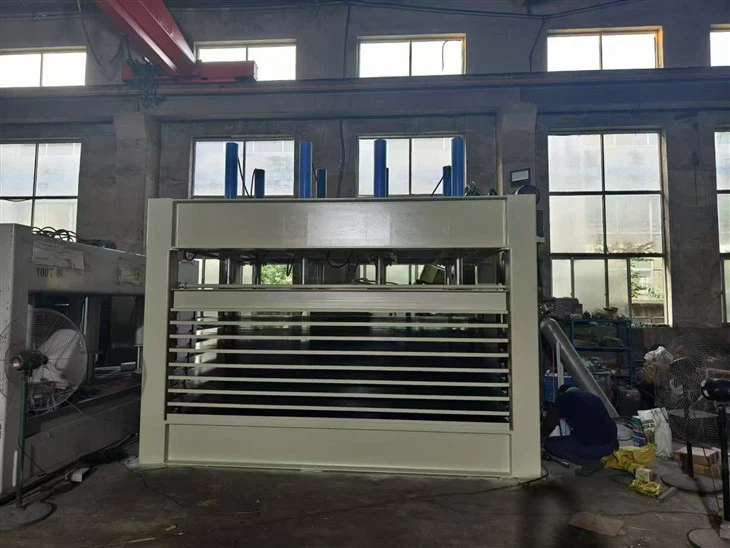

First off, let's talk about what a pressing machine actually does. A pressing machine is used to apply pressure to a material to shape, form, or join it. There are all sorts of pressing machines out there, from small handheld ones to huge industrial ones. And the quality standards can vary depending on the type of machine and what it's being used for.
Build Quality
One of the most important quality standards for a pressing machine is its build quality. You want a machine that's made from high - quality materials and is built to last. The frame of the machine should be sturdy and able to withstand the pressure it's designed to apply. For example, if you're looking at a Frame Clamp Press Machine, the frame needs to be strong enough to hold the workpiece firmly in place during the pressing process.
The components used in the machine also matter a great deal. Things like the hydraulic cylinders, motors, and control systems should be of top - notch quality. A cheap or poorly made component can lead to frequent breakdowns and costly repairs. For instance, in a Hydraulic Press Machine Cold Press, the hydraulic system is crucial. If the cylinders leak or the pump fails, the whole machine can become useless.
Precision and Accuracy
Another key quality standard is precision and accuracy. A good pressing machine should be able to apply the right amount of pressure consistently. This is especially important when you're working on projects that require a high level of precision, like laminating materials. Take the 35KW Laminator for example. It needs to apply the correct pressure across the entire surface of the laminate to ensure a smooth and even finish.
The machine should also be able to position the workpiece accurately. If the alignment is off, it can result in a defective product. Modern pressing machines often come with advanced control systems that allow for precise adjustment of pressure, speed, and position. These systems use sensors and feedback mechanisms to ensure that the machine operates within the specified tolerances.
Safety Features
Safety is a non - negotiable quality standard for any pressing machine. The machine should be equipped with a variety of safety features to protect the operator. This can include things like emergency stop buttons, safety guards, and interlocks. Emergency stop buttons should be easily accessible so that the operator can quickly shut down the machine in case of an emergency.
Safety guards are used to prevent the operator from coming into contact with moving parts or areas where there is a risk of injury. For example, in a hydraulic press, the area where the ram moves should be protected by a guard. Interlocks are devices that prevent the machine from operating if certain safety conditions are not met. For instance, if the safety guard is open, the machine should not be able to start.
Ease of Use and Maintenance
A high - quality pressing machine should be easy to use. The controls should be intuitive and well - labeled, so that even a novice operator can quickly learn how to operate the machine. The machine should also come with a user manual that provides clear instructions on how to set up, operate, and troubleshoot the machine.
Maintenance is also an important aspect. A good pressing machine should be designed for easy maintenance. This means that parts should be easy to access and replace. Regular maintenance can help extend the lifespan of the machine and prevent breakdowns. For example, the hydraulic system in a hydraulic press should be easy to drain and refill, and the filters should be easy to change.
Energy Efficiency
In today's world, energy efficiency is becoming an increasingly important quality standard. A pressing machine that consumes less energy not only saves you money on your electricity bill but also has a lower environmental impact. Modern pressing machines are designed with energy - saving features such as variable - speed drives and energy - recovery systems.
Variable - speed drives allow the motor to run at different speeds depending on the load requirements of the machine. This means that the machine doesn't waste energy by running at full speed when it doesn't need to. Energy - recovery systems can capture and reuse energy that would otherwise be wasted, such as the energy generated during the deceleration of the machine.
Performance and Reliability
The performance of a pressing machine is measured by its ability to meet the production requirements. It should be able to operate at the specified speed and pressure for extended periods of time without any significant drop in performance. Reliability is closely related to performance. A reliable machine is one that can be counted on to operate consistently without frequent breakdowns.
A high - quality pressing machine should have a low failure rate. This is achieved through rigorous testing during the manufacturing process and the use of high - quality components. The manufacturer should also provide a warranty for the machine, which gives you some peace of mind knowing that you're covered in case something goes wrong.
Compatibility and Flexibility
A good pressing machine should be compatible with a variety of workpieces and materials. It should be able to handle different sizes, shapes, and types of materials. For example, a laminating press should be able to work with different types of laminates, such as wood, plastic, and metal.
Flexibility is also important. The machine should be able to be adjusted to meet different production requirements. This can include changing the pressure, speed, and stroke length. Some pressing machines can even be reconfigured to perform different types of pressing operations.
After - Sales Support
Last but not least, the quality of the after - sales support provided by the supplier is a crucial quality standard. You want a supplier who is responsive and helpful when you have questions or problems with your machine. The supplier should offer technical support, spare parts availability, and training services.
Technical support can help you troubleshoot any issues you may encounter with the machine. Spare parts availability ensures that you can quickly replace a faulty part and get the machine back up and running. Training services can help your operators become more proficient in using the machine, which can improve productivity and reduce the risk of accidents.
So, there you have it! These are some of the key quality standards for a pressing machine. If you're in the market for a pressing machine, make sure to keep these standards in mind. And if you have any questions or are interested in purchasing a pressing machine, feel free to reach out to us. We're here to help you find the perfect machine for your needs.
References
- General knowledge of pressing machine technology and industry standards.
- Experience gained from years of supplying pressing machines.


