

Yo, what's up everyone! As a blade supplier, I've been deep into the world of sword blades for ages. And let me tell you, the history of sword blades is a wild ride that spans thousands of years.
Let's start way back in the ancient times. The very first sword - like weapons emerged around 3300 BC in the Bronze Age. People back then were using materials like bronze, an alloy of copper and tin, to craft these early blades. You gotta understand, making a blade from scratch was no joke. They had to heat the metal in furnaces to super high temperatures, then hammer and shape it. These early bronze swords were pretty basic compared to what we have today. They were short, usually around 20 - 30 inches, and had a simple design. But hey, in those days, having a bronze sword gave you a major edge in battles.
As time went on, around 1200 BC, the Iron Age rolled in. And this was a game - changer for sword blades. Iron was more abundant than copper and tin needed for bronze, and it was also stronger. People started making iron swords, which were longer and more durable. The Hittites are often credited with being one of the first groups to master iron - smelting technology for swords. Their swords were a big step up from the bronze ones. They could be made sharper, and they could withstand more wear and tear in combat.

Fast - forwarding a bit to the classical era of Greece and Rome. The Greeks had their famous xiphos, a double - edged, single - handed sword. It was short and deadly, perfect for close - quarter battles. The Romans, on the other hand, used the gladius. This was a short, stabbing sword that was the standard weapon for the Roman legionaries. Its design was so effective that it helped the Roman Empire expand across Europe, Africa, and the Middle East. Roman blacksmiths were masters at forging these blades. They used a process called pattern welding, where they would twist and fold different layers of iron together to create a stronger and more flexible blade.
Moving on to the Middle Ages in Europe, we enter the era of the knightly sword. These swords were long, heavy, and made of high - quality steel. The development of steel was a huge leap forward. Steel is basically iron with a small amount of carbon added, which makes it stronger, harder, and able to hold an edge better. The classic medieval sword had a cross - shaped hilt for better grip and control. Knights would spend a fortune on their swords because they were not just weapons but also symbols of their status and honor.
In the East, Japan was making some of the most amazing sword blades in the world. Japanese swordsmiths, like the famous Masamune, were true artists. They used a unique process called differential hardening. They would coat the blade with a special clay mixture that was thicker on the back of the blade and thinner on the cutting edge. When the blade was heated and quenched, the different thicknesses of clay caused the blade to harden at different rates. This resulted in a blade with a hard, sharp cutting edge and a more flexible back to absorb shocks. Japanese swords, like the katana, are still renowned today for their beauty and functionality.
During the Renaissance, there was a shift in sword design. Swords started to become more ornamental as well as practical. The rapier, for example, was a very long, thin sword that was used mainly for dueling. It had a complex hilt that was designed to protect the hand. The blades were often engraved with intricate designs, showing off the wealth and status of the owner.
In the 18th and 19th centuries, as firearms became more prevalent, the importance of swords in warfare declined. But they still had their place in ceremonial and sporting events. The sabre, for example, was a curved sword that was popular in the cavalry. It was designed for slashing attacks, and its shape made it easier to draw and use on horseback.
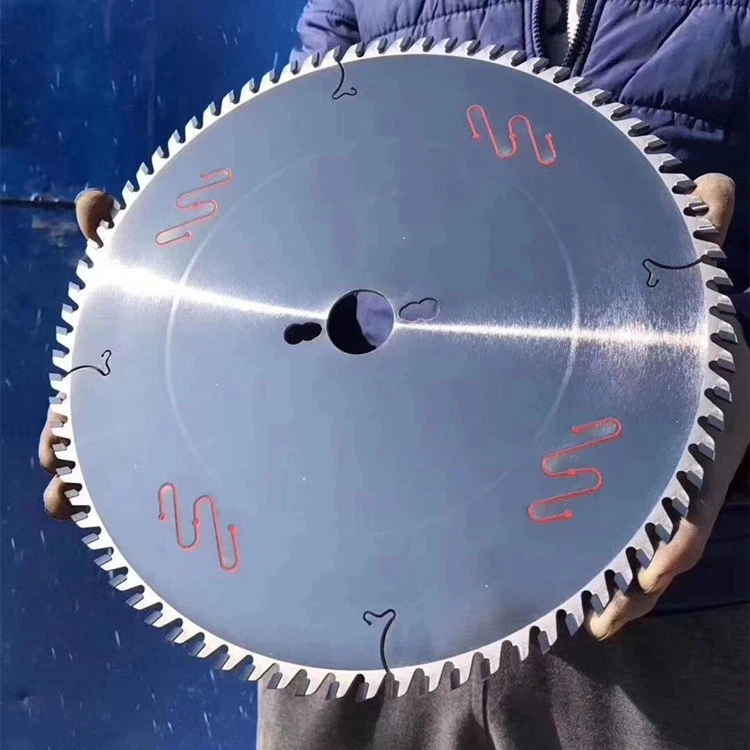
Now, let's talk about my business as a blade supplier. We are all about providing high - quality blades for various applications. Whether you're into historical reenactments and need a replica of a medieval sword or you're in the woodworking industry, we've got you covered. Speaking of woodworking, if you're looking for a killer blade, check out our Sliding Table Saw Blade. It's super sharp and can handle all kinds of solid woods with ease.
Our team is made up of experts who understand the long and rich history of blade - making. We use the latest technology and the best materials to create blades that are not only sharp but also long - lasting. Whether you're a professional blacksmith looking for the perfect raw material for your next sword project or a DIY enthusiast who wants to build your own saw, we can provide the blades you need.
So, if you're interested in our blades, don't hesitate to reach out. We're always happy to have a chat about your specific requirements. Whether it's a custom - made sword blade or a standard woodworking blade, we're here to make sure you get the best product for your money. Let's start a conversation and see how we can meet your blade needs.
References
- "Swords: A Global History" by David Edge and John Miles Paddock
- "The Japanese Sword" by Kanzan Tsurumaki
- "Ancient Swords and Weapons of the Bronze Age" by Ernest S. Dodge


