

Hey there! As a supplier of frame clamp press machines, I often get asked about the differences between frame clamp press machines and hydraulic press machines. So, I thought I'd write this blog to clear things up for you.

Let's start with the basics. A frame clamp press machine, well, it's all about that clamping force. It uses a frame structure to hold the workpiece firmly in place while applying pressure. This type of press is great for tasks where you need precise control over the clamping and pressing process. It's like having a really strong hand that holds your work steady and presses it just right.
On the other hand, a hydraulic press machine relies on hydraulic fluid to generate force. The hydraulic system uses a pump to move the fluid, which then creates pressure on a piston. This pressure is what's used to perform the pressing operation. Hydraulic presses are known for their high force capabilities and can handle heavy-duty tasks.
Design and Structure
The design of a frame clamp press machine is typically more rigid and compact. The frame provides a stable base for the clamping mechanism. It's often made of high - strength steel to withstand the forces involved. The clamping system can be operated manually, pneumatically, or electrically, depending on the specific model.
For example, in a manual frame clamp press, you might use a hand - operated lever to tighten the clamps. This gives you direct control over the clamping force, which can be useful for small - scale or precision work. In a pneumatic or electric version, the process is more automated, which can increase efficiency for larger production runs.
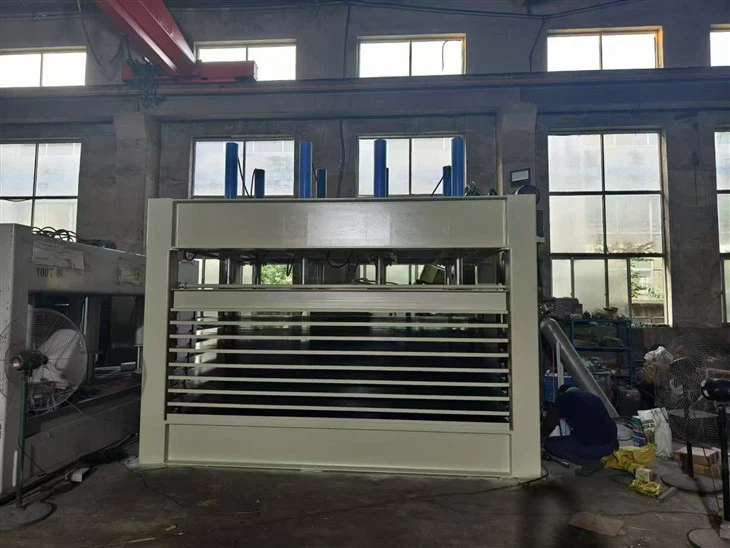
Hydraulic press machines, however, have a more complex design. They need a hydraulic power unit, which includes a pump, reservoir, valves, and hoses. The hydraulic cylinder, where the piston moves, is a key component. These machines can be much larger in size, especially when designed for high - tonnage applications.
Force and Pressure
When it comes to force, hydraulic press machines take the lead. They can generate extremely high pressures, sometimes up to thousands of tons. This makes them ideal for applications like forging, stamping, and deep drawing. For instance, in the automotive industry, hydraulic presses are used to shape large metal parts with ease.
Frame clamp press machines, while not as powerful in terms of overall force, offer a more focused clamping force. They are great for tasks like bonding, laminating, and assembly. The clamping force can be adjusted precisely, which is crucial for applications where too much or too little pressure can affect the quality of the finished product.
Let's say you're working on a project where you need to laminate two materials together. A frame clamp press machine can apply just the right amount of pressure evenly across the surface, ensuring a strong bond without damaging the materials.
Speed and Efficiency
In terms of speed, hydraulic press machines can be quite fast, especially when they are designed for high - volume production. The hydraulic system can quickly build up and release pressure, allowing for rapid cycling. However, the speed also depends on the size of the press and the complexity of the operation.
Frame clamp press machines, on the other hand, may have a slower cycle time, especially if they are manually operated. But they make up for it in precision. For tasks that require careful alignment and slow, controlled pressure application, a frame clamp press is the way to go.

Applications
Frame clamp press machines have a wide range of applications. They are commonly used in the woodworking industry for tasks like laminating veneers onto boards. The 35KW Laminator is a great example of a frame clamp press machine used in this context. It can apply even pressure to ensure a smooth and strong bond between the layers.
They are also used in the electronics industry for assembling components. The precise clamping force can prevent damage to delicate electronic parts. In the furniture industry, frame clamp presses are used for joining pieces of wood or other materials together.
Hydraulic press machines are used in more heavy - duty industries. In the metalworking industry, they are used for forging, punching, and bending metal. The Hydraulic Cold Press Machine and Hydraulic Press Machine Cold Press are examples of hydraulic presses used for cold forming operations. They can handle large - scale production and are essential for manufacturing metal parts used in construction, machinery, and transportation.

Cost and Maintenance
Frame clamp press machines are generally more affordable, especially for smaller models. They also tend to have lower maintenance costs. Since they have a simpler design, there are fewer components that can break down. The clamping mechanism can usually be easily maintained and repaired.
Hydraulic press machines, on the other hand, can be quite expensive to purchase, especially high - tonnage models. The hydraulic system requires regular maintenance, including checking the fluid level, changing the filters, and inspecting the hoses for leaks. Any issues with the hydraulic system can be costly to repair.
Which One Should You Choose?
So, which one is right for you? Well, it depends on your specific needs. If you're working on small - scale projects that require precision and a focused clamping force, a frame clamp press machine is a great choice. It's affordable, easy to maintain, and can give you the control you need.
If you're in a heavy - duty industry and need to perform high - force operations on a large scale, a hydraulic press machine is the way to go. It can handle the tough jobs and has the speed and power for high - volume production.
If you're still not sure which type of press is best for your business, feel free to reach out. We can discuss your requirements in detail and help you make the right decision. Whether you're interested in a frame clamp press machine or a hydraulic press machine, we're here to assist you. Contact us today to start the conversation about your pressing needs!
References
- Engineering textbooks on machine design and manufacturing processes.
- Industry reports on the use of press machines in different sectors.


