

Hey there! As a blade supplier, I've spent a ton of time diving deep into the world of turbine blades. So, what exactly is a turbine blade? Well, let's break it down.
The Basics of Turbine Blades
Turbine blades are a crucial part of turbines, which are machines that convert the energy from a fluid (like steam, gas, or water) into mechanical energy. You can think of them as the workhorses of the turbine system. These blades are designed to capture the kinetic energy of the moving fluid and transform it into rotational motion.
There are different types of turbines, and each has its own specific type of blade. For instance, in steam turbines, the blades are used to harness the energy from high - pressure steam. Steam turbines are commonly found in power plants, where they play a vital role in generating electricity. Gas turbines, on the other hand, use blades to extract energy from hot gases produced by combustion. They're often used in aircraft engines and some power generation applications. And then there are water turbines, which use blades to convert the energy of flowing water into mechanical power. These are used in hydroelectric power plants.
Design and Function
The design of a turbine blade is no simple feat. It has to be carefully engineered to withstand extreme conditions. The shape of the blade is one of the most important factors. The cross - section of a turbine blade is usually aerofoil - shaped, similar to an airplane wing. This shape allows the blade to efficiently interact with the fluid flowing over it. When the fluid (steam, gas, or water) passes over the blade, it creates a pressure difference between the two sides of the blade. This pressure difference generates a lift force, which causes the blade to rotate.
But it's not just about the shape. Turbine blades also have to be able to handle high temperatures, high pressures, and high - speed rotation. In a gas turbine, for example, the blades can be exposed to temperatures of over 1000 degrees Celsius. To deal with these extreme conditions, turbine blades are often made from special materials. Superalloys, which are alloys that have excellent high - temperature strength and corrosion resistance, are commonly used. Ceramic matrix composites are also being increasingly used in some applications because of their high - temperature capabilities and low weight.
Manufacturing Process
Making turbine blades is a complex and precise process. It usually starts with the design phase, where engineers use advanced computer - aided design (CAD) software to create a detailed model of the blade. Once the design is finalized, the manufacturing process begins.
One common method of manufacturing turbine blades is investment casting. In this process, a wax pattern of the blade is first made. The wax pattern is then coated with a ceramic shell. After the ceramic shell hardens, the wax is melted out, leaving a hollow ceramic mold. Molten metal is then poured into the mold to form the blade. This process allows for the creation of complex shapes with high precision.
Another method is machining. In machining, a block of metal is cut and shaped using various cutting tools. This method is often used for making blades with simpler geometries or for finishing the surfaces of blades made by other methods.
Quality Control
Quality control is of utmost importance when it comes to turbine blades. A single faulty blade can cause serious problems in a turbine system. That's why blade manufacturers like us go through rigorous quality control processes. We use a variety of inspection techniques, such as non - destructive testing (NDT). NDT methods include ultrasonic testing, which uses high - frequency sound waves to detect internal defects in the blade, and X - ray testing, which can reveal hidden flaws.
We also measure the dimensions of the blades very precisely to ensure they meet the design specifications. Any deviation from the specifications can affect the performance of the blade and the entire turbine system.

Applications and Importance
Turbine blades are used in a wide range of applications, as I mentioned earlier. In power generation, they are the key components that allow us to convert different forms of energy into electricity. Whether it's a coal - fired power plant, a natural gas power plant, or a hydroelectric power plant, turbine blades are at the heart of the electricity - generating process.
In the aerospace industry, turbine blades are essential for aircraft engines. They enable the engines to generate the thrust needed to propel the aircraft through the air. Without high - performance turbine blades, modern air travel as we know it wouldn't be possible.
Our Offerings as a Blade Supplier
As a blade supplier, we offer a wide range of turbine blades to meet the needs of different industries. We have blades for steam turbines, gas turbines, and water turbines. Our blades are made from high - quality materials and are manufactured using the latest technologies.
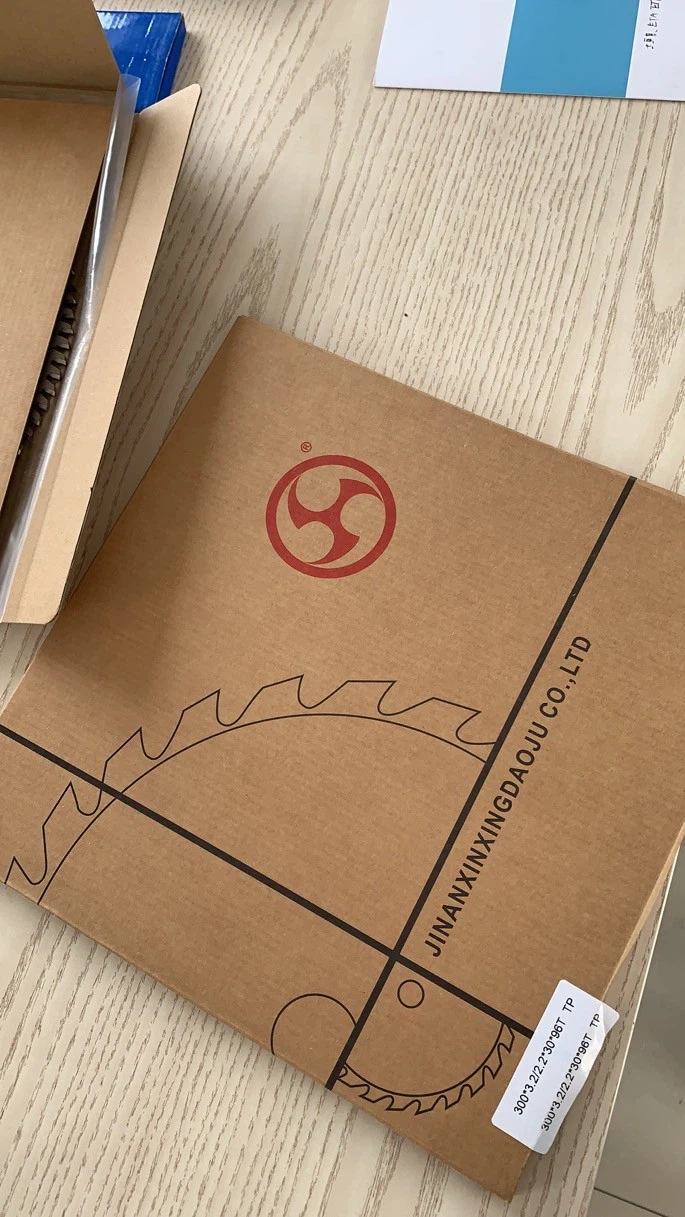
We also offer custom - made blades. If you have specific requirements for your turbine system, our team of engineers can work with you to design and manufacture blades that are tailored to your needs. And we don't just stop at turbine blades. We also supply other types of blades, like the Sliding Table Saw Blade. This saw blade is designed for woodworking applications and is known for its high - precision cutting and long service life.
Why Choose Us
When you choose us as your blade supplier, you're getting more than just high - quality blades. We have a team of experts who are always ready to provide you with technical support. Whether you have questions about blade selection, installation, or maintenance, we're here to help.
We also offer competitive pricing. We understand that cost is an important factor for our customers, so we strive to offer the best value for your money. And we have a fast turnaround time. We know that in many industries, time is of the essence, so we work hard to deliver your blades as quickly as possible.
Contact Us for Purchase and Negotiation
If you're in the market for turbine blades or other types of blades, we'd love to hear from you. Whether you're a power plant operator, an aerospace company, or a woodworking business, we have the blades you need. Contact us to start a purchase negotiation, and let's work together to find the best blade solutions for your needs.
References
- "Turbomachinery: Design and Theory" by S. L. Dixon
- "Materials for High - Temperature Applications in Gas Turbines" by John C. Slater
- "Aerodynamics of Turbines and Compressors" by Gordon C. Oates


