

Yo, what's up everyone! I'm stoked to be here and talk about something that's super important in a bunch of industries: propeller blades. As a blade supplier, I've seen firsthand how these things play a huge role in all sorts of applications. So, let's dive right in and figure out what a propeller blade really is.
The Basics of Propeller Blades
First off, a propeller blade is a key part of a propeller, which is a device that uses the power of rotation to move through a fluid - usually air or water. Think of an airplane flying through the sky or a boat cruising on the water. The propeller blades are what make that movement possible.
Propeller blades are designed with a special shape, kind of like an airfoil. This shape is super important because it helps create lift or thrust. When the propeller spins, the blades slice through the fluid, and the airfoil shape causes a difference in pressure between the two sides of the blade. This pressure difference generates the force that moves the vehicle forward.
How Propeller Blades Work
Let's break down how these blades work in a bit more detail. When the engine of an airplane or a boat powers the propeller to spin, the blades start rotating at high speeds. As they do, they're constantly pushing against the fluid. The angle at which the blades are set, known as the pitch, determines how much fluid they can move with each rotation.
A high - pitch blade will move more fluid per rotation, but it also requires more power to turn. On the other hand, a low - pitch blade is easier to turn but moves less fluid. So, choosing the right pitch is crucial depending on the specific needs of the application.
Different Types of Propeller Blades
There are all kinds of propeller blades out there, each designed for a specific purpose. For example, in the aviation industry, you've got propeller blades for small single - engine planes, and then there are those for large commercial airliners. The blades for small planes are usually smaller and lighter, while the ones for big airliners are much larger and more complex.
In the marine world, you've got propeller blades for different types of boats. Fishing boats might have different blades compared to speedboats. Fishing boats often need blades that can provide good low - speed torque, while speedboats require blades that can handle high - speed operation.
Materials Used in Propeller Blades
The materials used to make propeller blades are also really important. They need to be strong, lightweight, and able to withstand the forces and stresses they'll face during operation. Some common materials include aluminum, steel, and composite materials.
Aluminum is a popular choice because it's lightweight and relatively inexpensive. It's great for smaller applications where weight is a big factor. Steel, on the other hand, is much stronger and more durable. It's often used in heavy - duty applications where the blades need to handle a lot of stress.
Composite materials are becoming more and more popular these days. They offer a great combination of strength and lightness. They can also be molded into complex shapes, which allows for more efficient blade designs.
Maintenance and Care of Propeller Blades
Taking care of propeller blades is essential to ensure they work properly and last a long time. Regular inspections are a must. You need to check for any signs of damage, like cracks, chips, or corrosion. If you find any issues, it's important to address them right away.
Cleaning the blades is also important. Dirt, grime, and other debris can build up on the blades, which can affect their performance. You can use a mild detergent and water to clean them, and then make sure they're completely dry before putting them back into use.
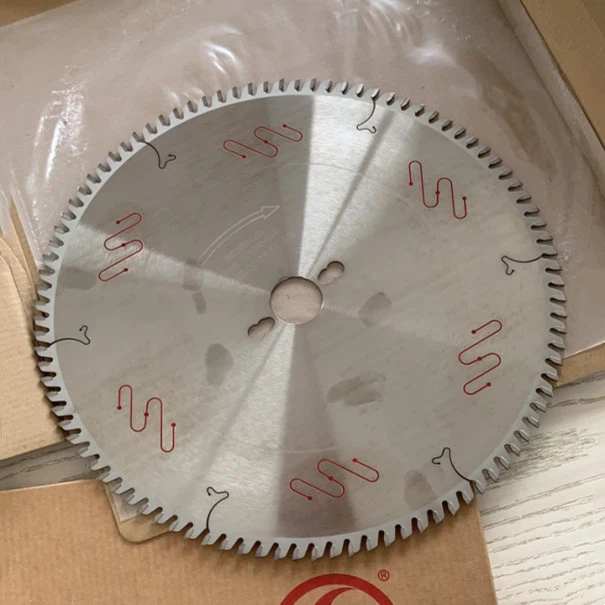

Propeller Blades in the Woodworking Industry
Now, let's switch gears a bit and talk about blades in the woodworking industry. As a blade supplier, I know that woodworking blades are just as important as propeller blades in their own way. One type of blade that's really popular in woodworking is the Sliding Table Saw Blade.
These blades are designed to make precise cuts in wood. They come in different sizes and tooth configurations, depending on the type of wood and the cut you need to make. For example, a blade with more teeth will give you a smoother cut, while a blade with fewer teeth is better for making rough cuts quickly.
Why Choose Our Blades
As a blade supplier, we take pride in offering high - quality blades for all sorts of applications. Whether you're in the aviation, marine, or woodworking industry, we've got the right blade for you. Our blades are made from the best materials and are designed to meet the highest standards of performance and durability.
We also offer great customer service. Our team is always ready to help you choose the right blade for your needs and answer any questions you might have. And if you ever run into any issues with our blades, we'll do everything we can to make it right.
Contact Us for Your Blade Needs
If you're in the market for propeller blades or woodworking blades, don't hesitate to reach out. We're here to make the process as easy as possible for you. Whether you need a single blade or a large order, we can handle it.
So, if you're interested in learning more or want to start a purchase negotiation, just get in touch. We're looking forward to working with you and helping you find the perfect blades for your applications.
References
- "Aerodynamics of Propellers" by John Anderson
- "Marine Propulsion Systems" by David G. Gilroy
- "Woodworking Tools and Their Use" by Tom Silva


