

Hey there, fellow woodworkers and DIY enthusiasts! I'm a supplier in the blade game, and I know how important it is to have a sharp blade for your projects. A dull blade can turn a smooth, enjoyable woodworking session into a frustrating nightmare. So, let's talk about the signs that a blade needs sharpening.
1. Poor Cutting Performance
One of the most obvious signs that your blade is due for a sharpening is when it starts to cut poorly. You might notice that the blade is not cutting through the wood as smoothly as it used to. Instead of a clean, crisp cut, the wood might tear or splinter. This is because a dull blade doesn't have the sharp edge needed to make a precise cut. The teeth of the blade are no longer able to slice through the wood fibers cleanly, resulting in a rough finish.
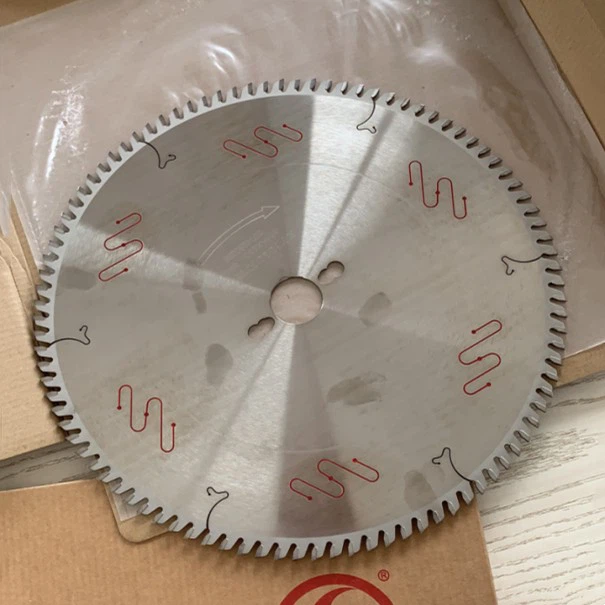
For example, if you're using a Sliding Table Saw Blade to cut a piece of solid wood, and you start to see rough edges or tear-out on the cut surface, it's a clear sign that the blade has lost its sharpness. You might also find that the blade is pushing the wood around instead of cutting it, which can make it difficult to control the cut and lead to inaccurate results.
2. Increased Cutting Resistance
Another sign of a dull blade is increased cutting resistance. When you try to make a cut, you'll feel like you have to apply more pressure than usual to get the blade to go through the wood. This is because the dull blade has to work harder to cut through the material, and it requires more force to overcome the resistance.
If you're using a hand saw, you'll notice that it's more difficult to push the saw through the wood. The saw might also start to bind or get stuck, which can be a frustrating experience. On a power saw, you might notice that the motor has to work harder, which can cause it to overheat or make unusual noises. Increased cutting resistance not only makes the cutting process more difficult, but it can also put more stress on your tools and increase the risk of accidents.
3. Burning or Charring of the Wood
Burning or charring of the wood is a telltale sign that your blade is dull. When a blade is sharp, it cuts through the wood quickly and efficiently, generating less heat. However, a dull blade has to rub against the wood more to make a cut, which generates a lot of friction and heat. This heat can cause the wood to burn or char, leaving a blackened edge on your cut.
If you see black marks on the wood after making a cut, it's a clear indication that the blade is not cutting properly. Burning or charring not only looks bad, but it can also weaken the wood and affect the quality of your project. In addition, the excessive heat can also damage the blade itself, causing the teeth to lose their hardness and sharpness.
4. Uneven Cutting
A dull blade can also cause uneven cutting. You might notice that the blade is cutting deeper in some areas than in others, or that the cut is not straight. This is because the dull teeth of the blade are not able to cut evenly through the wood. Some teeth might be more worn than others, which can cause the blade to wobble or veer off course.
Uneven cutting can be a major problem, especially if you're working on a project that requires precise cuts. It can make it difficult to assemble your pieces properly and can affect the overall appearance and functionality of your project. If you notice that the cuts are not consistent, it's time to sharpen your blade.
5. Longer Cutting Times
If you find that it's taking longer to make cuts than it used to, it's likely that your blade is dull. A sharp blade can cut through the wood quickly and efficiently, while a dull blade has to work harder and takes more time to make the same cut. This can be a big problem, especially if you're working on a large project with a tight deadline.
Longer cutting times not only slow down your workflow, but they also increase the amount of wear and tear on your tools. Your motor has to run longer, which can cause it to overheat and reduce its lifespan. In addition, the extra time spent cutting can also be frustrating and can make the woodworking process less enjoyable.
6. Excessive Noise
A dull blade can also produce excessive noise during cutting. When the blade is sharp, it moves through the wood smoothly and quietly. However, a dull blade has to struggle to cut through the material, which can cause it to vibrate and make a lot of noise.
If you notice that your saw is making a lot of noise, it could be a sign that the blade is dull. Excessive noise not only indicates a problem with the blade, but it can also be a nuisance and can cause hearing damage if you're exposed to it for long periods of time.
7. Visual Inspection of the Blade
Finally, you can also perform a visual inspection of the blade to see if it needs sharpening. Look at the teeth of the blade and see if they are dull or chipped. A sharp blade will have clean, sharp teeth that are able to cut through the wood easily. If the teeth are rounded or have lost their edge, it's a sign that the blade needs to be sharpened.
You can also look for any signs of wear or damage on the blade, such as cracks or missing teeth. If you notice any of these issues, it's important to replace the blade or have it repaired as soon as possible.
So, there you have it - the signs that a blade needs sharpening. If you notice any of these signs, don't wait - sharpen your blade as soon as possible to ensure the best cutting performance and the longest lifespan for your tools.
As a blade supplier, I'm here to help you keep your tools in top condition. We offer a wide range of high-quality blades, including the Sliding Table Saw Blade, and we can also provide sharpening services to bring your dull blades back to life. If you have any questions or if you're interested in purchasing blades or sharpening services, don't hesitate to get in touch and start a procurement discussion.
References:
- Woodworking magazines and online forums
- Personal experience as a blade supplier


