

When it comes to maintaining a well - groomed lawn, the type of lawn mower blade you use can make a significant difference. As a blade supplier, I've seen firsthand how the right blade can transform the efficiency and quality of lawn mowing. In this blog, I'll explore the different types of lawn mower blades available in the market, their features, and the scenarios where they shine.
1. Standard Straight Blades
Standard straight blades are the most common type of lawn mower blades. They are typically flat and have a straight cutting edge. These blades are designed to cut grass cleanly and evenly as the mower moves forward.
One of the main advantages of standard straight blades is their simplicity. They are easy to install and replace, making them a popular choice for homeowners. They also provide a good balance between cutting performance and cost. For small to medium - sized lawns with relatively even grass growth, standard straight blades are often sufficient.
However, they do have some limitations. Since they cut in a single direction, they may not be as effective at handling thick or overgrown grass. In such cases, the grass may not be cut cleanly, leading to a ragged appearance. If you have a lawn with a lot of weeds or uneven growth, you might need to look for other blade options.
2. Reel Blades
Reel blades are a classic type of lawn mower blade, often associated with old - fashioned push mowers. They consist of a series of curved blades that rotate around a horizontal axis, working in conjunction with a stationary cutting bar.
The main benefit of reel blades is their ability to provide a very precise and clean cut. They are excellent for cutting fine - textured grasses, such as Bermuda grass or bentgrass. Reel mowers are also environmentally friendly as they don't require fuel or electricity, relying solely on human power.
On the downside, reel blades require more effort to operate, especially on larger lawns. They are also less effective at cutting tall or thick grass. Additionally, reel mowers need to be sharpened more frequently than other types of mowers to maintain their cutting performance.
3. Mulching Blades
Mulching blades are designed to cut grass into very small pieces and then blow them back onto the lawn. These blades have a unique shape, usually with multiple cutting edges and a curved design.
The advantage of mulching blades is that they help to recycle nutrients back into the soil. The finely chopped grass clippings decompose quickly, providing natural fertilizer for the lawn. This can reduce the need for chemical fertilizers and help keep the lawn healthy.
Mulching blades are also great for maintaining a neat appearance. Since the clippings are dispersed evenly across the lawn, there are no unsightly piles of grass left behind. However, they may not be suitable for extremely long or wet grass, as the clippings may not be chopped finely enough and could clump together.
4. High - Lift Blades
High - lift blades are characterized by their large, curved shape. They are designed to create a strong upward airflow under the mower deck, which helps to lift the grass before cutting.
This type of blade is ideal for bagging grass clippings. The strong airflow generated by high - lift blades ensures that the cut grass is efficiently sucked up into the grass bag. They are also effective at cutting through thick or tall grass, as the lifting action allows the blade to reach deeper into the grass and make a clean cut.
However, high - lift blades can be a bit noisy due to the increased airflow. They may also require more power from the mower engine, which could lead to higher fuel consumption in gas - powered mowers.

5. Low - Lift Blades
In contrast to high - lift blades, low - lift blades have a smaller curve and generate less airflow. They are mainly used for side - discharge mowers.
Low - lift blades are more suitable for cutting shorter grass. They are quieter and require less power compared to high - lift blades. Since they don't create as strong an airflow, they are less likely to blow debris around, which can be an advantage in areas where you don't want grass clippings to be scattered too far.
But they may not be as effective at bagging grass or cutting through thick vegetation. If you have a lawn with mostly short, well - maintained grass, low - lift blades could be a good choice.
6. Serrated Blades
Serrated blades have a saw - like edge, which gives them enhanced cutting ability. The serrations help to grip and cut through tough materials, such as weeds and thick grass.
These blades are particularly useful for lawns that are overgrown or have a lot of weeds. They can make quick work of cutting through tough vegetation that might be difficult for other types of blades. However, serrated blades can be more expensive than standard blades, and they may require more frequent sharpening due to the wear on the serrations.
Choosing the Right Blade for Your Needs
When selecting a lawn mower blade, there are several factors to consider. First, think about the size and type of your lawn. If you have a small, well - maintained lawn, a standard straight blade or a low - lift blade might be sufficient. For larger lawns or those with thick grass, high - lift or mulching blades could be more appropriate.
The type of grass you have also matters. Fine - textured grasses may benefit from reel blades, while coarser grasses can be handled well by standard or serrated blades. Additionally, consider your mowing preferences. If you like to bag your grass clippings, high - lift blades are a good option, while if you prefer to mulch, then mulching blades are the way to go.
As a blade supplier, I understand the importance of having the right blade for your lawn mower. That's why we offer a wide range of high - quality lawn mower blades to meet different needs. Whether you're a homeowner looking to maintain a beautiful lawn or a professional landscaper in need of reliable blades, we've got you covered.
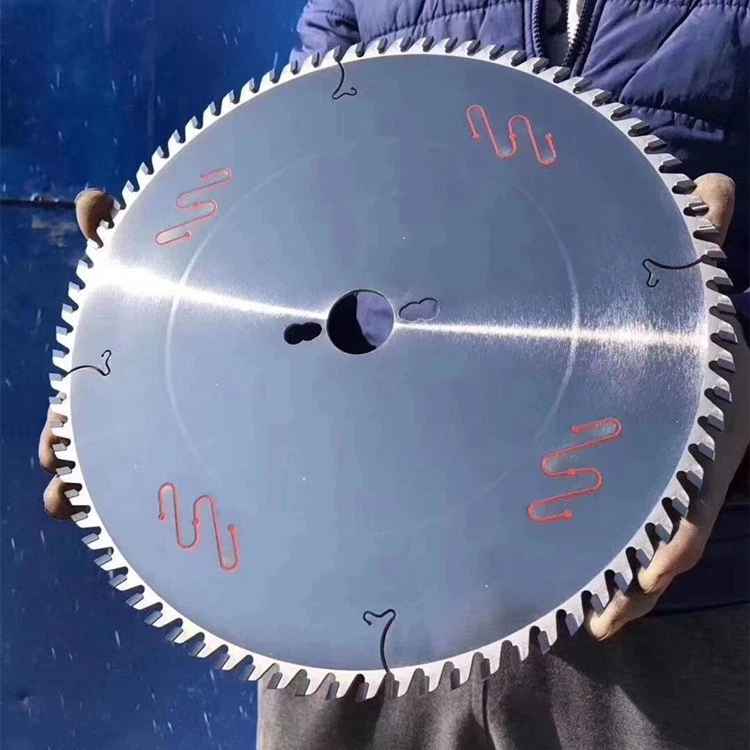
In addition to lawn mower blades, we also supply other types of blades, such as the Sliding Table Saw Blade. This blade is designed for woodworking applications, providing a precise and clean cut for solid wood.
If you're interested in purchasing our blades or have any questions about which blade is right for you, don't hesitate to get in touch. We're here to help you make the best choice for your lawn mowing or woodworking needs. Contact us today to start a conversation about your blade requirements.
References
- "Lawn Mower Maintenance Guide" by Lawn Care Institute
- "Blade Technology and Performance" by Mower Blade Manufacturers Association
- "The Art of Lawn Mowing" by Gardening Today Magazine


