

Hey there! If you're new to the world of woodworking or just looking to spruce up your DIY projects, you might be thinking about using a manual edge banding machine. Well, you've come to the right place. I'm a supplier of manual edge banding machines, and I'm here to walk you through the process of operating one for the first time.
Getting to Know Your Manual Edge Banding Machine
Before we dive into the operation, let's take a quick look at the different types of manual edge banding machines we offer. We have the Portable Edge Banding Machine, which is great for small projects and on-the-go use. It's lightweight and easy to carry around, making it a popular choice for hobbyists.
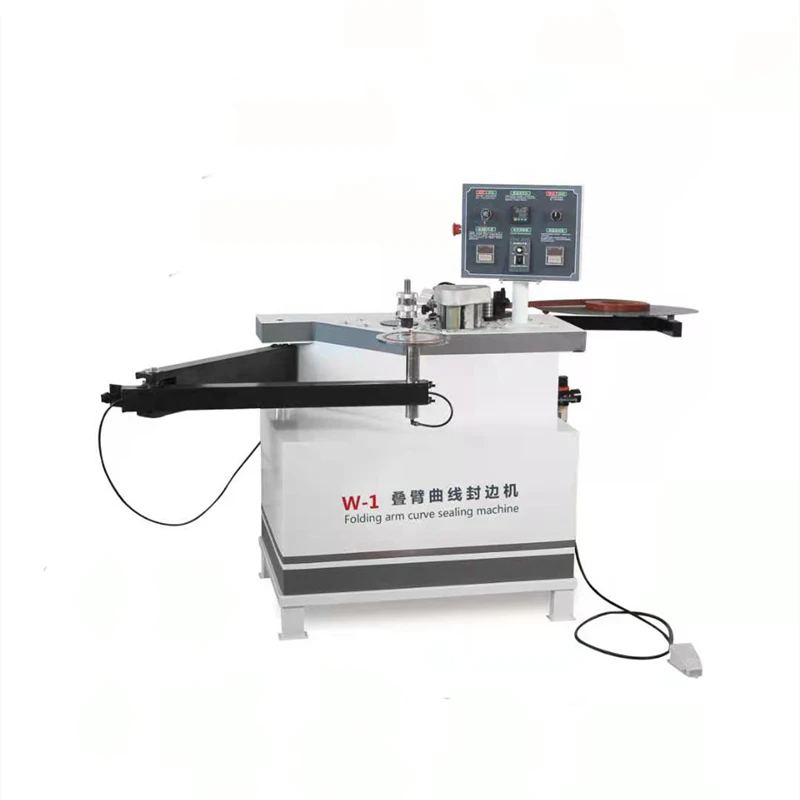
Then there's the Curve Edge Banding Machine. As the name suggests, this machine is designed to handle curved edges, giving you more flexibility in your projects. Whether you're working on a round tabletop or a custom-shaped cabinet, this machine can get the job done.
And for those who need a compact and powerful option, we have the 220W Edge packaging machine. Despite its small size, it packs a punch and can handle a variety of edge banding tasks.
Preparing for Operation
Now that you know a bit about the different machines, let's get started with the operation. The first step is to gather all the necessary materials and tools. You'll need your edge banding material, which can be made of PVC, wood veneer, or other materials. Make sure the width of the edge banding matches the thickness of your workpiece.
You'll also need a clean and flat work surface. A workbench or a sturdy table will do the trick. Make sure the surface is free of dust and debris, as this can affect the adhesion of the edge banding.
Next, take a look at your manual edge banding machine. Familiarize yourself with the different parts and controls. Most machines have a heating element, a pressure roller, and a cutter. Make sure the machine is plugged in and turned on, and let it heat up for a few minutes.
Loading the Edge Banding
Once the machine is heated up, it's time to load the edge banding. Start by cutting a piece of edge banding that's slightly longer than the edge of your workpiece. This will give you some extra material to work with.
Then, insert the edge banding into the machine. Most machines have a slot or a guide where you can feed the edge banding. Make sure the edge banding is straight and centered in the machine.
Applying the Edge Banding
With the edge banding loaded, it's time to apply it to your workpiece. Hold the workpiece firmly against the machine, making sure the edge is aligned with the edge banding. Slowly move the workpiece along the machine, applying pressure as you go.
The heating element in the machine will melt the adhesive on the back of the edge banding, allowing it to stick to the workpiece. The pressure roller will help to ensure a strong bond between the edge banding and the workpiece.
As you move the workpiece along the machine, keep an eye on the edge banding. Make sure it's sticking evenly and that there are no air bubbles or wrinkles. If you notice any issues, you can use a roller or a scraper to smooth out the edge banding.
Trimming the Excess
Once you've applied the edge banding to the entire edge of your workpiece, it's time to trim the excess. Most manual edge banding machines have a cutter that you can use to trim the edge banding flush with the workpiece.
Hold the cutter against the edge of the workpiece and slowly move it along the edge banding. Make sure to apply even pressure and keep the cutter straight. This will ensure a clean and precise cut.
After trimming the excess edge banding, you can use a sandpaper or a file to smooth out the edges. This will give your workpiece a professional and finished look.

Cleaning and Maintenance
After you're done using your manual edge banding machine, it's important to clean and maintain it properly. Turn off the machine and unplug it from the power source. Let it cool down completely before cleaning.
Use a clean cloth or a brush to remove any dust or debris from the machine. You can also use a mild detergent or a cleaning solution to clean the heating element and the pressure roller. Make sure to dry the machine thoroughly before storing it.
Regular maintenance is also important to keep your machine in good working condition. Check the heating element and the pressure roller for any signs of wear or damage. Replace any worn or damaged parts as needed.
Troubleshooting
Even with the best preparation and care, you may encounter some issues when using your manual edge banding machine. Here are some common problems and solutions:
- Edge banding not sticking: This could be due to a number of factors, such as a dirty or worn pressure roller, a low temperature setting, or a poor quality adhesive. Make sure the pressure roller is clean and in good condition, adjust the temperature setting if necessary, and try using a different adhesive.
- Air bubbles or wrinkles: This could be caused by uneven pressure or a misaligned edge banding. Make sure you're applying even pressure as you move the workpiece along the machine, and check that the edge banding is straight and centered.
- Cutter not cutting properly: This could be due to a dull or damaged cutter. Replace the cutter if necessary, and make sure it's installed correctly.
If you're still having problems with your manual edge banding machine, don't hesitate to contact our customer support team. We're here to help you get the most out of your machine.
Conclusion
Operating a manual edge banding machine for the first time can seem a bit daunting, but with a little practice and patience, you'll be a pro in no time. Remember to follow the steps outlined in this guide, and don't be afraid to experiment with different materials and techniques.
If you're interested in purchasing a manual edge banding machine, or if you have any questions or concerns, please don't hesitate to contact us. We offer a wide range of manual edge banding machines to suit your needs and budget, and our team of experts is always here to help you make the right choice.
References
- Woodworking Magazine
- DIY Woodworking Guides
- Manual Edge Banding Machine User Manuals


