

Hey there! As a wide belt sanding machine supplier, I've seen firsthand how crucial it is to maintain the hydraulic system of these machines. A well - maintained hydraulic system not only ensures the smooth operation of your wide belt sanding machine but also extends its lifespan. So, let's dive into how you can keep that hydraulic system in top - notch condition.
1. Regular Fluid Checks
The hydraulic fluid is like the lifeblood of your wide belt sanding machine's hydraulic system. You should check the fluid level regularly. Most machines have a sight glass or a dipstick that makes this easy. If the fluid level is low, it could lead to air getting into the system, which can cause all sorts of problems like cavitation and erratic operation.
When adding fluid, make sure you use the type recommended by the machine's manufacturer. Different machines may require different viscosities and additives in the hydraulic fluid. Using the wrong fluid can damage the seals, valves, and other components in the system. For example, if your R - RP1000 Sanding Machine needs a specific anti - wear hydraulic fluid, using a regular fluid won't cut it.
You also need to keep an eye on the fluid's condition. Over time, the fluid can get contaminated with dirt, metal particles, and moisture. Contaminated fluid can cause increased wear on the pumps, valves, and cylinders. If the fluid looks cloudy or has a strange odor, it's probably time to change it. A good rule of thumb is to change the hydraulic fluid every 1000 - 2000 hours of operation, but this can vary depending on the usage and the environment.
2. Filter Maintenance
Filters play a vital role in keeping the hydraulic fluid clean. They trap dirt, debris, and other contaminants before they can reach the sensitive components of the hydraulic system. There are usually two types of filters in a wide belt sanding machine's hydraulic system: suction filters and pressure filters.
The suction filter is located at the inlet of the hydraulic pump. Its job is to prevent large particles from entering the pump. You should inspect this filter regularly and clean or replace it if it's clogged. A clogged suction filter can restrict the flow of fluid to the pump, causing cavitation and pump damage.
The pressure filter is installed downstream of the pump. It filters the fluid under pressure to remove smaller particles. Just like the suction filter, the pressure filter needs to be checked and maintained. Some filters have a built - in indicator that shows when they need to be replaced. If your machine doesn't have such an indicator, you can use a pressure gauge to monitor the pressure drop across the filter. An excessive pressure drop means the filter is clogged and needs to be changed.
3. Seal Inspection and Replacement
Seals are used throughout the hydraulic system to prevent fluid leaks. Over time, seals can wear out, crack, or become damaged due to heat, pressure, and chemical exposure. A leaking seal not only wastes hydraulic fluid but can also cause a loss of pressure in the system, leading to reduced performance of the wide belt sanding machine.
You should inspect the seals regularly for signs of wear, such as leaks, swelling, or hardening. If you notice any problems with the seals, replace them immediately. When replacing seals, make sure you use high - quality seals that are compatible with the hydraulic fluid and the operating conditions of your machine. For instance, if your Plywood Sanding Machine operates in a high - temperature environment, you'll need seals that can withstand the heat.

4. Temperature Control
The hydraulic system of a wide belt sanding machine generates heat during operation. Excessive heat can cause the hydraulic fluid to break down, reduce the viscosity of the fluid, and damage the seals and other components. That's why it's important to control the temperature of the hydraulic system.
Most wide belt sanding machines are equipped with a hydraulic oil cooler. You need to make sure the cooler is working properly. Check the coolant level in the cooler and make sure there are no blockages in the cooling fins or tubes. If the cooler is not removing enough heat, the hydraulic fluid temperature can rise rapidly, leading to problems.
You can also monitor the temperature of the hydraulic fluid using a temperature gauge. If the fluid temperature exceeds the recommended range, you may need to reduce the workload of the machine or check the cooling system for issues.
5. Valve and Cylinder Maintenance
Valves and cylinders are important components of the hydraulic system. They control the flow and direction of the hydraulic fluid, which in turn controls the movement of the sanding belts and other parts of the wide belt sanding machine.
You should inspect the valves regularly for signs of wear, such as leakage or erratic operation. If a valve is not working properly, it can cause the machine to malfunction. For example, a stuck valve can prevent the sanding belt from moving or cause it to move in an unpredictable way. You may need to clean or replace the valves if they are damaged.
Cylinders also need to be maintained. Check the cylinders for leaks, rod damage, and proper alignment. A leaking cylinder can cause a loss of pressure and reduced force output. If the rod is damaged, it can cause scoring on the cylinder bore, leading to further problems. Make sure the cylinders are properly lubricated to reduce friction and wear.
6. System Flushing
Over time, contaminants can build up in the hydraulic system, even with regular filter changes. System flushing is a process of completely draining the old hydraulic fluid and then filling the system with a flushing fluid. The flushing fluid is circulated through the system to remove any remaining contaminants.
You should perform a system flushing every few years or when you notice a significant increase in contamination levels. After flushing, drain the flushing fluid and refill the system with fresh hydraulic fluid. This process helps to keep the hydraulic system clean and functioning properly.
7. Operator Training
Last but not least, proper operator training is essential for maintaining the hydraulic system of a wide belt sanding machine. Operators should be trained on how to operate the machine correctly, including how to start and stop the hydraulic system, how to monitor the fluid level and temperature, and how to recognize signs of problems.
An untrained operator may misuse the machine, leading to unnecessary wear and tear on the hydraulic system. For example, an operator who starts the machine without allowing the hydraulic fluid to warm up properly can cause damage to the pump. By providing proper training, you can ensure that the machine is operated in a way that maximizes the lifespan of the hydraulic system.
In conclusion, maintaining the hydraulic system of a wide belt sanding machine is not rocket science, but it does require regular attention and proper care. By following these tips, you can keep your machine running smoothly and avoid costly breakdowns.
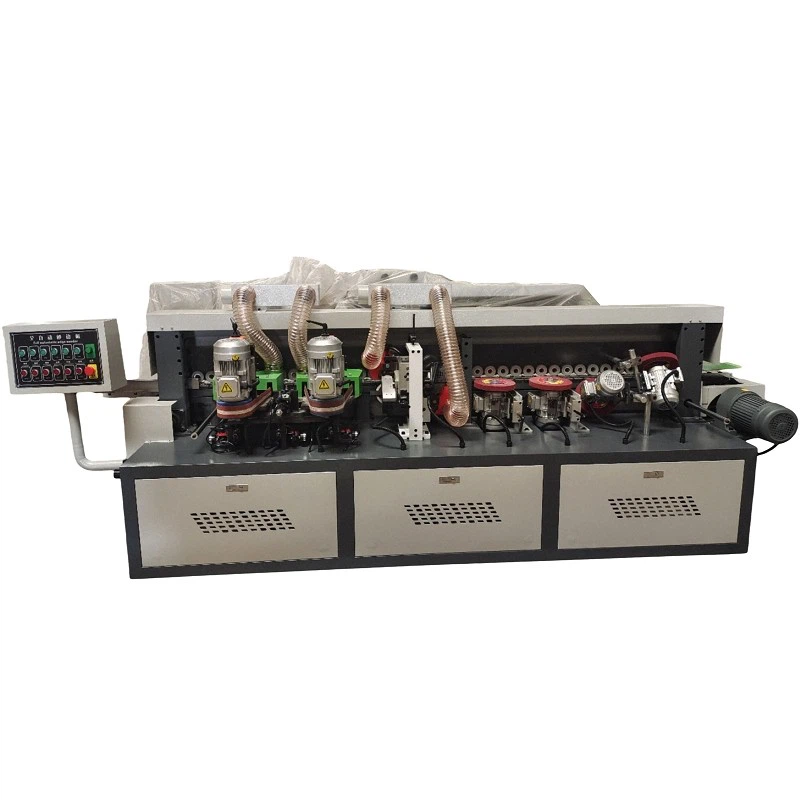
If you're in the market for a high - quality wide belt sanding machine or need more information on hydraulic system maintenance, we're here to help. Whether it's our R - RP1000 Sanding Machine, Plywood Sanding Machine, or SYS - 60D Automatic Edge Sanding Machine, we've got you covered. Don't hesitate to reach out for a detailed discussion on your specific requirements and to start a procurement negotiation.
References
- Hydraulic Systems Handbook, Various Authors
- Wide Belt Sanding Machine Manufacturer's Manuals


