

Ensuring the safety of operators around a heavy-duty planer thicknesser is of paramount importance in any woodworking or industrial setting. As a supplier of heavy-duty planer thicknessers, I understand the critical role that safety plays in the proper operation of these powerful machines. In this blog post, I will share some essential tips and guidelines to help you maintain a safe working environment for operators around heavy-duty planer thicknessers.
1. Operator Training and Education
One of the most fundamental steps in ensuring operator safety is providing comprehensive training and education. Operators should be thoroughly trained on the proper use, maintenance, and safety procedures of the heavy-duty planer thicknesser. This training should cover topics such as machine controls, blade installation and replacement, emergency stop procedures, and safe material handling.
Before allowing an operator to use the machine, they should demonstrate a clear understanding of all safety protocols and procedures. Regular refresher courses should also be provided to keep operators up-to-date with the latest safety practices and any changes in the machine's operation. By investing in proper training, you can significantly reduce the risk of accidents and injuries in the workplace.
2. Machine Inspection and Maintenance
Regular inspection and maintenance of the heavy-duty planer thicknesser are crucial for ensuring its safe operation. Before each use, operators should conduct a visual inspection of the machine to check for any signs of damage, wear, or loose parts. This includes inspecting the blades, belts, guards, and electrical components.
Any damaged or worn parts should be replaced immediately to prevent malfunctions or accidents. It is also important to follow the manufacturer's recommended maintenance schedule, which may include tasks such as lubrication, blade sharpening, and alignment checks. By keeping the machine in good working condition, you can minimize the risk of breakdowns and ensure the safety of operators.
3. Use of Personal Protective Equipment (PPE)
Personal protective equipment (PPE) is an essential part of operator safety when working around heavy-duty planer thicknessers. Operators should always wear appropriate PPE, including safety glasses, ear protection, dust masks, and gloves. Safety glasses protect the eyes from flying debris, while ear protection reduces the risk of hearing damage from the machine's noise.
Dust masks help to prevent inhalation of wood dust, which can cause respiratory problems, and gloves provide protection for the hands. In addition to these basic PPE items, operators may also need to wear other specialized equipment, such as safety shoes or aprons, depending on the specific work environment and tasks.
4. Installation of Safety Guards and Devices
Safety guards and devices are designed to prevent operators from coming into contact with the moving parts of the heavy-duty planer thicknesser. These guards should be installed and maintained in accordance with the manufacturer's instructions. They typically include blade guards, feed rollers guards, and emergency stop buttons.
Blade guards cover the cutting blades to prevent accidental contact, while feed rollers guards protect operators from the pinch points between the rollers. Emergency stop buttons should be easily accessible and clearly marked so that operators can quickly stop the machine in case of an emergency. By using these safety guards and devices, you can significantly reduce the risk of serious injuries.
5. Safe Material Handling
Proper material handling is another important aspect of operator safety around heavy-duty planer thicknessers. Operators should ensure that the materials being processed are clean, dry, and free from knots or other defects. They should also use the appropriate feed methods and techniques to prevent kickbacks or jams.
When feeding materials into the machine, operators should keep their hands a safe distance from the blades and use push sticks or other tools to guide the materials. They should also avoid overloading the machine or feeding materials that are too large or too thick for the machine's capacity. By following these safe material handling practices, you can prevent accidents and ensure the smooth operation of the machine.
6. Workplace Organization and Housekeeping
A well-organized and clean workplace is essential for operator safety. The area around the heavy-duty planer thicknesser should be kept free from clutter, debris, and tripping hazards. Tools and materials should be stored in designated areas, and walkways should be clear and unobstructed.
Regular cleaning of the machine and the surrounding area is also important to remove wood dust and other debris, which can pose a fire hazard. By maintaining a clean and organized workplace, you can reduce the risk of accidents and create a safer working environment for operators.
7. Risk Assessment and Hazard Identification
Conducting regular risk assessments and hazard identifications is an important part of ensuring operator safety around heavy-duty planer thicknessers. This involves identifying potential hazards associated with the machine's operation, such as blade contact, kickbacks, and electrical hazards.
Once the hazards have been identified, appropriate control measures should be implemented to eliminate or reduce the risk. This may include modifying the machine, changing work procedures, or providing additional training and PPE. By regularly assessing and managing risks, you can proactively prevent accidents and ensure the safety of operators.
8. Emergency Preparedness
In addition to taking preventive measures, it is important to be prepared for emergencies. This includes having an emergency response plan in place that outlines the steps to be taken in case of an accident or injury. The plan should include procedures for evacuating the area, providing first aid, and contacting emergency services.
Operators should be trained on the emergency response plan and know how to use any emergency equipment, such as fire extinguishers and first aid kits. Regular drills should also be conducted to ensure that operators are familiar with the emergency procedures and can respond quickly and effectively in case of an emergency.
Conclusion
Ensuring the safety of operators around a heavy-duty planer thicknesser requires a comprehensive approach that includes operator training, machine inspection and maintenance, use of PPE, installation of safety guards, safe material handling, workplace organization, risk assessment, and emergency preparedness. By implementing these safety measures, you can significantly reduce the risk of accidents and injuries in the workplace.
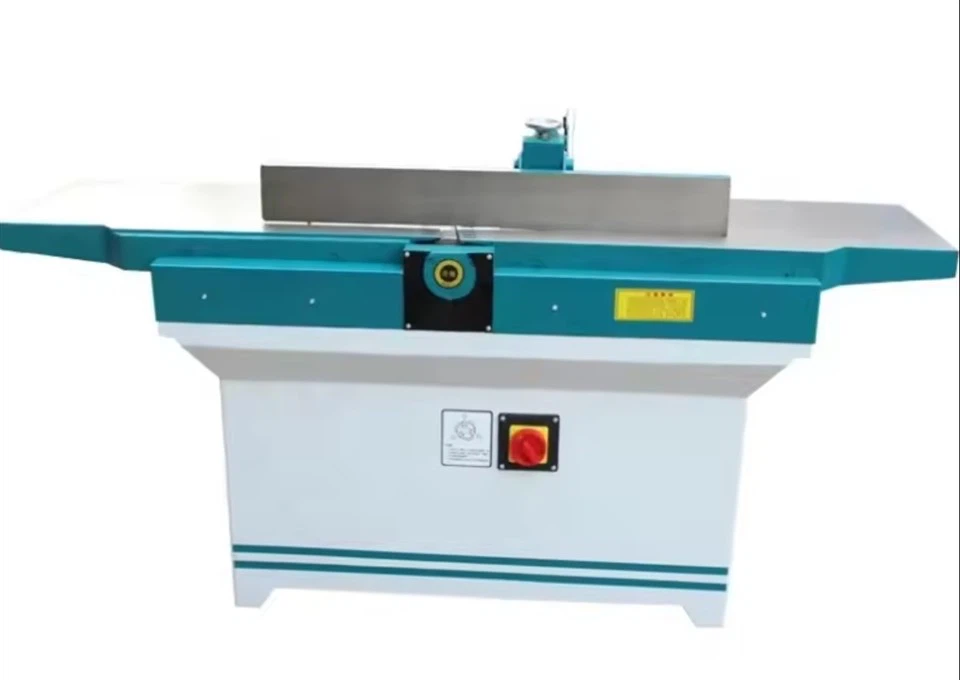
As a supplier of heavy-duty planer thicknessers, we are committed to providing our customers with high-quality machines and the support they need to ensure operator safety. Our MB505 3KW woodworking planer, Single Side Wood Thicknesser, and Wood Spindle Moulder Machine are designed with safety in mind and come with a range of safety features to protect operators.

If you are interested in learning more about our heavy-duty planer thicknessers or have any questions about operator safety, please feel free to contact us. We look forward to working with you to ensure a safe and productive woodworking environment.
References
- Woodworking Machinery Safety Standards, International Organization for Standardization (ISO)
- Occupational Safety and Health Administration (OSHA) Guidelines for Woodworking Machinery
- Manufacturer's Manuals for Heavy-Duty Planer Thicknessers


