Hey there, fellow woodworkers! I'm [Your Name], and I've been in the blade supply game for quite a while now. Over the years, I've seen firsthand how choosing the right woodworking blade can make or break a project. So, I thought I'd share some tips on how to pick the perfect blade for your next woodworking endeavor.
Understanding Blade Basics
Before we dive into the nitty - gritty of blade selection, let's cover some basic blade terms. The most important factors to consider are the blade diameter, tooth count, tooth geometry, and the type of material the blade is made from.
Blade Diameter
The diameter of the blade matters a lot. A larger - diameter blade can cut deeper into the wood. For instance, if you're working on thick pieces of lumber, you'll want a blade with a bigger diameter. On the other hand, for more delicate, thin - wood projects, a smaller - diameter blade will do the job just fine.

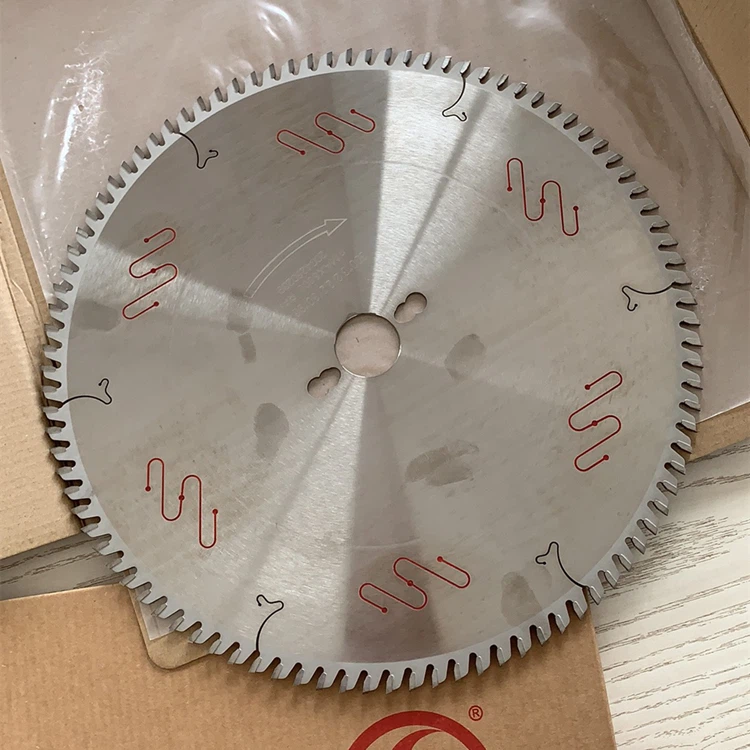
Tooth Count
The number of teeth on a blade is crucial. Blades with more teeth, say 80 - 100 teeth, make smoother cuts. They're great for finish work, like when you're making furniture and want a super - smooth surface. Blades with fewer teeth, around 20 - 40, are better for rough cuts. They remove material quickly but leave a rougher surface.
Tooth Geometry
Tooth geometry refers to the shape of the teeth. There are different types, such as flat - top grind (FTG), alternate top bevel (ATB), and triple - chip grind (TCG). FTG teeth are great for cross - cutting plywood. ATB teeth are versatile and work well for both cross - cutting and ripping. TCG teeth are designed for cutting hard materials like laminates and composites.
Blade Material
The material of the blade affects its durability and performance. Carbide - tipped blades are very popular. They stay sharp longer than regular steel blades and can handle a variety of wood types. High - speed steel (HSS) blades are also a good option, especially for softer woods. They're more affordable but may need to be sharpened more often.
Choosing the Blade Based on the Project Type
Ripping Projects
When you're ripping, which means cutting along the grain of the wood, you need a blade that can remove material efficiently. A blade with a low tooth count, around 24 - 30 teeth, is ideal. These blades have larger gullets (the space between the teeth) to clear away the wood chips quickly. For example, if you're building a large bookshelf and need to cut long planks, a low - tooth - count ripping blade will make the job go much faster.
Cross - Cutting Projects
Cross - cutting is cutting across the grain of the wood. For this, you want a blade with a higher tooth count, like 60 - 80 teeth. The more teeth, the smoother the cut will be. If you're making picture frames or cutting small pieces for a detailed cabinet, a high - tooth - count cross - cutting blade will give you a clean, professional - looking edge.
Miter Cuts
Miter cuts are angled cuts, often used in picture frames and crown molding. You need a blade that can make precise, smooth cuts at different angles. A blade with a fine - tooth count and good tooth geometry is essential. Look for a blade that can handle cross - cutting well, as miter cuts are essentially a form of cross - cutting at an angle.
Cutting Plywood and Composite Materials
Plywood and composite materials require special attention. For plywood, a blade with ATB tooth geometry is a great choice. It helps prevent tear - out on the top and bottom layers of the plywood. When cutting composite materials like MDF (medium - density fiberboard), a TCG blade is often the best option. It can handle the hard, abrasive nature of these materials without getting dull quickly.
The Role of Saw Type
The type of saw you're using also plays a big part in blade selection.
Table Saw
Table saws are very versatile. For general use on a table saw, a combination blade is a good starting point. A combination blade usually has around 40 - 50 teeth and can handle both ripping and cross - cutting to some extent. However, if you do a lot of one type of cutting over the other, it's better to get a dedicated blade. For example, if you're constantly ripping large boards, a ripping blade for your table saw will be more efficient.
Circular Saw
Circular saws are portable and great for on - site work. The blade size for circular saws is usually smaller compared to table saws. You need to make sure the blade you choose fits your circular saw's arbor size. A blade with a good balance of tooth count and geometry is important. For rough framing work, a low - tooth - count blade is fine, but for more precise cuts, a higher - tooth - count blade is better.
Miter Saw
Miter saws are all about making accurate angled cuts. A blade with a high tooth count and good tooth geometry is crucial. Look for a blade that's specifically designed for miter saws. It should be able to make smooth, clean cuts at various angles. Some miter saw blades are even designed to reduce vibration, which helps with accuracy.
Special Considerations
Wood Type
The type of wood you're working with matters a lot. Softwoods like pine and cedar are easier to cut than hardwoods like oak and maple. For softwoods, you can use a blade with a lower tooth count and less - durable material, as the wood is not as hard on the blade. Hardwoods, on the other hand, require a high - quality blade with a higher tooth count. They're more abrasive and can dull a blade quickly if it's not up to the task.
Project Size
The size of your project also affects blade choice. For small, detailed projects, you can afford to take your time and use a high - quality, high - tooth - count blade for a perfect finish. For large - scale projects where you need to cut a lot of wood quickly, a more rugged, lower - tooth - count blade may be more practical.
Safety
Safety is always a top priority. Make sure the blade you choose is in good condition. A dull or damaged blade can be dangerous, as it may bind or kick back. Also, use the appropriate blade guard and other safety equipment when using your saw.
Our Blade Offerings
As a blade supplier, I'm proud to offer a wide range of woodworking blades. One of our popular products is the Sliding Table Saw Blade. This blade is perfect for those who need a high - quality blade for solid wood on a sliding table saw. With 96 teeth, it can make incredibly smooth cuts, ideal for finish work on furniture or high - end cabinetry.
We also have blades for different saw types and project needs. Whether you're a professional woodworker or a hobbyist, we've got the right blade for you. Our blades are made from top - quality materials and are designed to last.
Contact Us for Procurement
If you're interested in purchasing woodworking blades for your project, we'd love to hear from you. We can offer expert advice on which blade is best for your specific needs. Whether you're starting a new project or just need to replace an old blade, our team is here to help. Reach out to us, and let's start a conversation about getting you the perfect blade for your woodworking needs.
References
- "Woodworking Tools and Techniques" by John Smith
- "The Complete Guide to Woodworking Blades" by Sarah Johnson
- Various industry blogs and forums on woodworking