

Hey there! As a blade supplier, I've seen firsthand how crucial it is to pick the right knife blade. Whether you're a professional chef, a DIY enthusiast, or just someone who likes to cook at home, having a high - quality blade can make all the difference. So, let's dive into how you can choose a good quality knife blade.
Material Matters
The first thing you gotta look at is the material of the blade. There are several types out there, each with its own pros and cons.
Stainless Steel
Stainless steel is a super popular choice. It's resistant to rust and corrosion, which means it'll last a long time without getting all yucky. It's also relatively easy to maintain. You don't have to worry too much about it staining or getting damaged by moisture. However, it might not hold an edge as well as some other materials. If you're looking for a blade that you can use day - to - day without a lot of fuss, stainless steel is a great option.
Carbon Steel
Carbon steel blades are known for their sharpness and ability to hold an edge. They're often used by professional chefs because they can make those super clean cuts. But here's the catch: they're more prone to rust and staining. You gotta take good care of them, like drying them right after use and oiling them occasionally. If you're willing to put in the extra effort, carbon steel can give you a top - notch cutting experience.
Ceramic
Ceramic blades are incredibly sharp and lightweight. They're also resistant to corrosion and don't stain easily. But they're brittle. One wrong move, and they could chip or break. They're great for slicing things like tomatoes or bread, but not so good for heavy - duty tasks like chopping bones.
Blade Geometry
The shape of the blade, or its geometry, plays a huge role in how it performs.
Straight Edge Blades
Straight edge blades are perfect for tasks that require precise cuts, like slicing meat or vegetables. They have a continuous, smooth edge that glides through food easily. If you're into making those beautiful, thin slices for your charcuterie board, a straight edge blade is your best bet.
Serrated Blades
Serrated blades have a series of small teeth along the edge. They're great for cutting through things with tough exteriors and soft interiors, like bread or tomatoes. The teeth grip the surface and make it easier to cut without squishing the food.
Hollow Ground Blades
Hollow ground blades have a concave shape on the sides. This reduces friction when cutting, making it easier to slice through food. They're often used in Japanese knives and are great for tasks like filleting fish or slicing sushi.
Edge Sharpness and Retention
How sharp the blade is and how long it stays sharp are key factors.
Sharpness
A sharp blade makes cutting easier and safer. When a blade is dull, you have to apply more force, which can lead to accidents. You can test the sharpness of a blade by gently running your finger along the edge (be careful, though!). A sharp blade will feel smooth but with a slight bite.
Edge Retention
Edge retention refers to how long the blade stays sharp. As I mentioned earlier, carbon steel usually has better edge retention than stainless steel. But it also depends on the quality of the steel and how the blade is heat - treated. A well - heat - treated blade will hold its edge longer.
Handle and Balance
Don't forget about the handle and the balance of the knife.
Handle
The handle should be comfortable to hold. It should fit well in your hand and not cause any discomfort, even after long periods of use. Look for handles made of materials like wood, plastic, or composite materials. Wood handles look great and feel natural, but they need more maintenance. Plastic and composite handles are more durable and easier to clean.
Balance
A well - balanced knife is easier to control. You want the balance point to be somewhere near the handle - blade junction. If the knife is too heavy on the blade end, it'll be hard to maneuver. If it's too heavy on the handle end, it'll feel awkward when cutting.
Brand and Reputation
When it comes to buying a knife blade, brand and reputation matter. Well - known brands often have a long history of making quality products. They invest in research and development to improve their blades. You can read reviews from other users to get an idea of how reliable a brand is.
Cost
Cost is always a factor. High - quality blades can be expensive, but they're often worth the investment. You don't have to break the bank, though. There are plenty of mid - range options that offer a good balance between quality and price. Just remember, a cheap knife might end up costing you more in the long run if you have to replace it frequently.
Specialized Blades
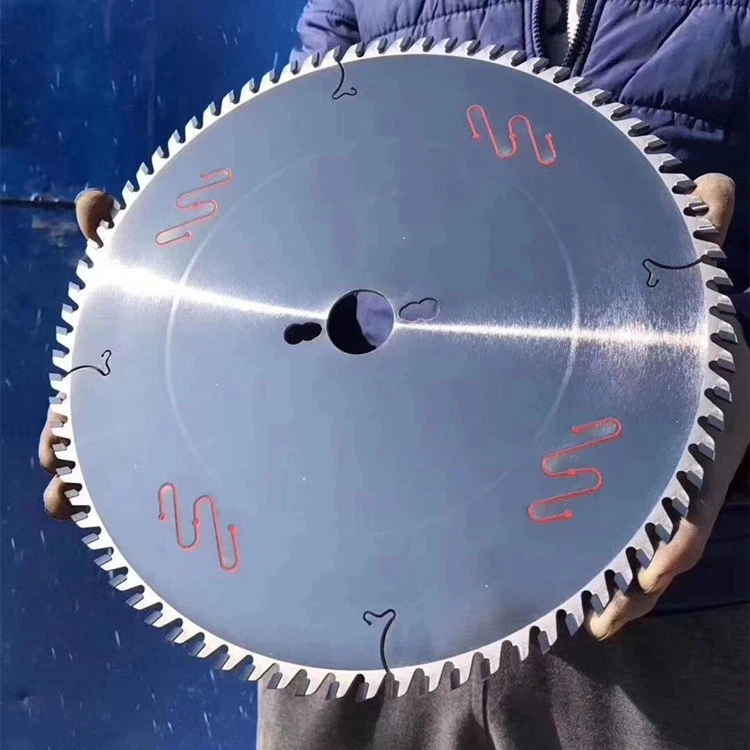
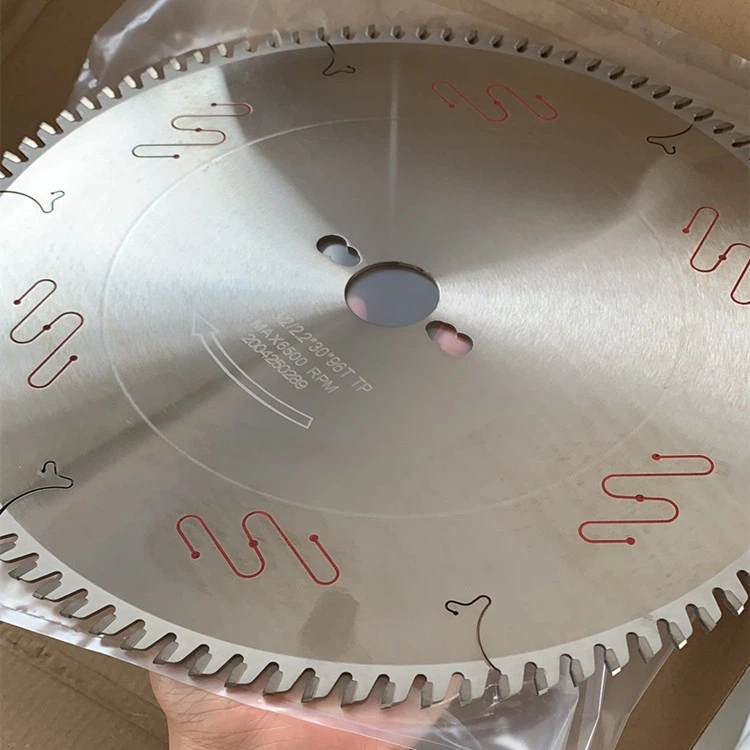
Depending on your needs, you might want to consider specialized blades. For example, if you're into woodworking, a Sliding Table Saw Blade can make your projects a lot easier. These blades are designed to cut through wood smoothly and precisely.
So, there you have it! Those are the main things to consider when choosing a good quality knife blade. As a blade supplier, I've helped many customers find the perfect blade for their needs. If you're in the market for a new blade, whether it's for your kitchen or your workshop, I'd love to help you out. Just reach out, and we can have a chat about what you need. Let's find you a blade that'll make your cutting tasks a breeze!
References
- "The Knife Book" by Andrew Ducote
- "Knife Skills Illustrated" by Peter Hertzmann


