

Hey there! As a supplier of wide belt sanding machines, I often get asked about how to adjust the speed ratio of the conveyor belt and the abrasive belt on these machines. It's a crucial aspect that can significantly impact the sanding quality and efficiency. So, let's dive right in and explore this topic in detail.
First off, why is adjusting the speed ratio so important? Well, the conveyor belt is responsible for moving the workpiece through the sanding area at a consistent pace, while the abrasive belt does the actual sanding work. If the speed ratio between these two belts isn't right, you can end up with uneven sanding, excessive material removal, or even damage to the workpiece. For example, if the conveyor belt is moving too fast compared to the abrasive belt, the sanding may not be thorough enough, leaving rough spots on the surface. On the other hand, if the conveyor belt is moving too slowly, it can cause over - sanding, which is a waste of time and can also damage the material.
Understanding the Basics of Speed Ratio
Before we start adjusting the speed ratio, it's important to understand the basic principles behind it. The speed ratio is simply the relationship between the speed of the conveyor belt and the speed of the abrasive belt. It's usually expressed as a numerical value. For instance, if the conveyor belt is moving at 10 meters per minute and the abrasive belt is moving at 30 meters per minute, the speed ratio is 1:3.
Most wide belt sanding machines come with adjustable speed controls for both the conveyor belt and the abrasive belt. These controls can be in the form of dials, buttons, or digital displays. The first step is to identify these controls on your machine. If you're not sure where they are, refer to the machine's user manual.
Factors to Consider When Adjusting the Speed Ratio
There are several factors that you need to consider when adjusting the speed ratio. The type of material being sanded is one of the most important factors. Different materials have different hardness and density, which means they require different sanding speeds. For example, softwoods like pine can be sanded at a relatively higher speed compared to hardwoods like oak. If you're sanding a soft material, you can increase the speed of the conveyor belt and the abrasive belt to get the job done faster. But for a hard material, you may need to slow down the conveyor belt to ensure a more thorough sanding.
The desired finish of the workpiece is another important factor. If you're looking for a rough finish, you can use a higher speed ratio. This means that the conveyor belt will move faster relative to the abrasive belt, allowing for quicker material removal. However, if you're aiming for a smooth and fine finish, you'll need to use a lower speed ratio. This gives the abrasive belt more time to work on the surface, resulting in a smoother finish.
The grit of the abrasive belt also plays a role in determining the speed ratio. Coarser grits are used for removing large amounts of material quickly, so you can use a higher speed ratio with them. Finer grits, on the other hand, are used for finishing and require a lower speed ratio to achieve a smooth surface.
Step - by - Step Guide to Adjusting the Speed Ratio
Now that we've covered the basics and the factors to consider, let's go through a step - by - step guide on how to adjust the speed ratio.
-
Prepare the Machine and the Workpiece
- Make sure the wide belt sanding machine is turned off and unplugged before you start making any adjustments.
- Select the appropriate abrasive belt based on the material and the desired finish.
- Place the workpiece on the conveyor belt and ensure it is properly aligned.
-
Set the Initial Speeds

- Refer to the machine's user manual to find the recommended initial speeds for the conveyor belt and the abrasive belt based on the material and grit of the abrasive belt.
- Use the speed controls to set the initial speeds. Start with a relatively low speed for both belts and gradually increase them if needed.
-
Test the Sanding
- Turn on the machine and let it run for a few seconds to make sure everything is working properly.
- Start sanding a small test piece of the same material. Observe the sanding results carefully. Pay attention to the surface finish, the amount of material being removed, and any signs of over - sanding or uneven sanding.
-
Make Adjustments
- If the sanding is too rough or the material is being removed too quickly, you may need to slow down the conveyor belt or increase the speed of the abrasive belt.
- If the sanding is too slow or the surface finish is not smooth enough, you can increase the speed of the conveyor belt or decrease the speed of the abrasive belt.
- Make small adjustments at a time and test the sanding after each adjustment until you achieve the desired results.
-
Finalize the Settings
- Once you're satisfied with the sanding results, lock in the speed settings. Make a note of the settings for future reference, especially if you often sand the same type of material.
Tips for Optimal Speed Ratio Adjustment
- Keep Records: As I mentioned earlier, keeping a record of the speed settings for different materials and finishes can save you a lot of time in the future. You can create a simple spreadsheet or use a notebook to record the settings.
- Regular Maintenance: Make sure to perform regular maintenance on your wide belt sanding machine. This includes cleaning the belts, checking the tension, and lubricating the moving parts. A well - maintained machine will operate more smoothly and give you better sanding results.
- Seek Professional Help: If you're still having trouble adjusting the speed ratio or if you encounter any technical problems with the machine, don't hesitate to seek professional help. You can contact our technical support team, and we'll be happy to assist you.
Our Wide Belt Sanding Machines
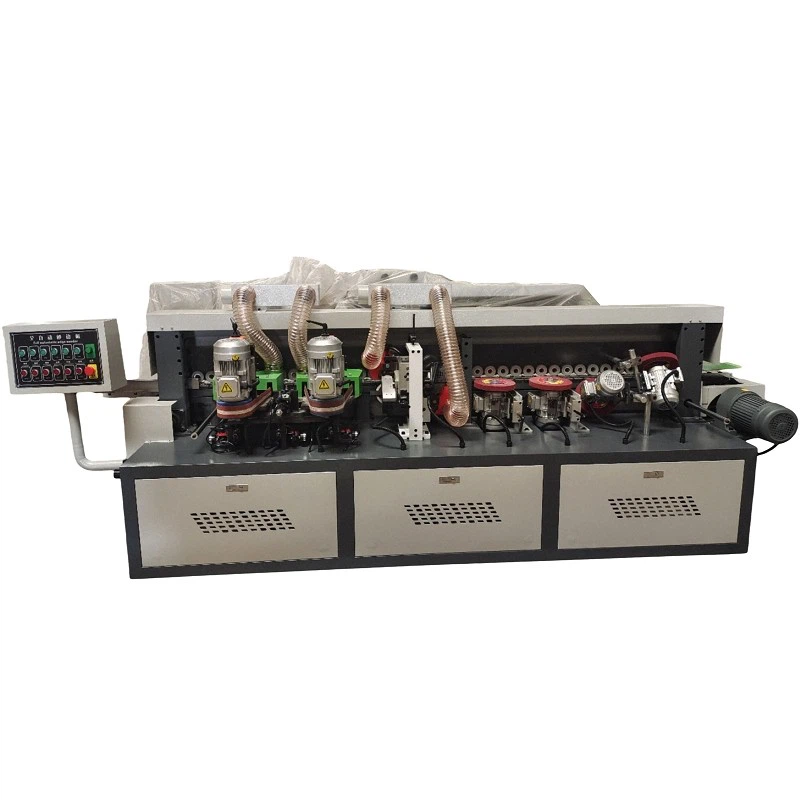
We offer a wide range of high - quality wide belt sanding machines, including the Sanding Machine For Wood, Plywood Sanding Machine, and SYS - 60D Automatic Edge Sanding Machine. These machines are designed with advanced features and easy - to - use controls, making it easier for you to adjust the speed ratio and achieve the best sanding results.
If you're in the market for a wide belt sanding machine or if you have any questions about adjusting the speed ratio, feel free to contact us. We're here to help you find the right machine for your needs and provide you with the support you need to get the most out of it.
Conclusion
Adjusting the speed ratio of the conveyor belt and the abrasive belt on a wide belt sanding machine is a skill that takes time and practice to master. By understanding the basic principles, considering the factors involved, and following the step - by - step guide, you can achieve optimal sanding results. Remember, if you have any questions or need further assistance, our team is always here to help. So, don't hesitate to reach out and start exploring the possibilities of our wide belt sanding machines!
References
- "Sanding Machine Handbook" - A comprehensive guide to the operation and maintenance of sanding machines.
- Industry research papers on woodworking and sanding technology.


