

How long is the service life of a solid wood machine?
As a seasoned supplier of solid wood machines, I often get asked about the service life of these essential pieces of equipment. The lifespan of a solid wood machine is a critical consideration for any woodworking business, as it directly impacts the return on investment, productivity, and overall operational efficiency. In this blog post, I'll delve into the factors that influence the service life of solid wood machines, provide some general guidelines, and offer tips on how to extend the longevity of your equipment.
Factors Affecting the Service Life of Solid Wood Machines
Several factors determine how long a solid wood machine will last. Let's take a closer look at some of the most significant ones:
Quality of Manufacturing
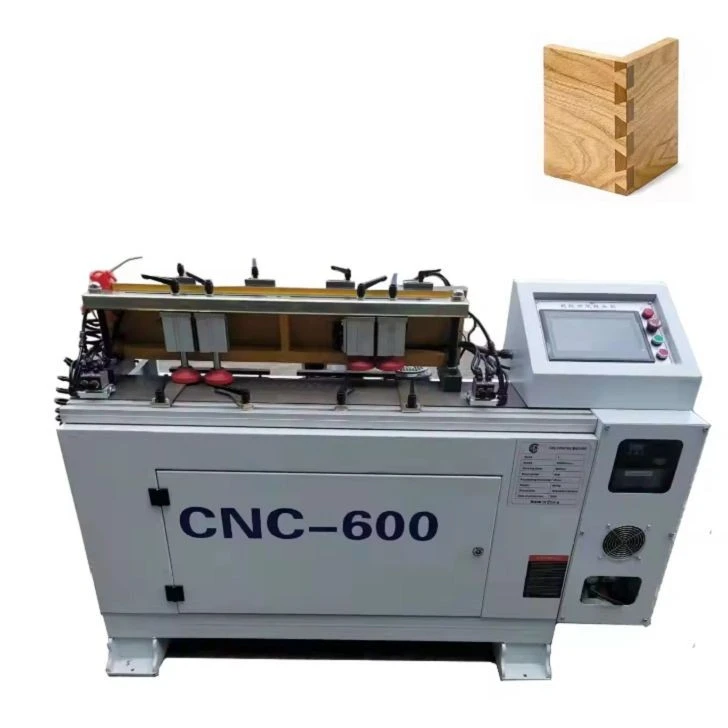
The quality of materials and craftsmanship used in the manufacturing process plays a crucial role in the durability of a solid wood machine. Machines built with high - grade steel, precision - engineered components, and advanced manufacturing techniques are likely to have a longer service life. For example, a well - made Tenon Machine with hardened steel cutters and a robust frame can withstand continuous use for many years.
Usage Intensity
The frequency and intensity of use have a direct impact on the wear and tear of a solid wood machine. A machine that operates around the clock in a high - volume production facility will experience more stress and require more maintenance than one used sporadically in a small workshop. For instance, a CNC manufacturing machine running multiple shifts every day will reach its end - of - life stage sooner than a similar machine used only a few hours a week.
Maintenance and Care
Regular maintenance is essential for extending the service life of solid wood machines. This includes tasks such as cleaning, lubricating, adjusting, and replacing worn parts. Neglecting maintenance can lead to premature breakdowns and reduced efficiency. For example, a Boring Drilling Machine that is not properly lubricated will experience increased friction, which can damage the drill bits and other critical components.
Operator Skill and Training
The skill level and training of the machine operators also influence the service life of solid wood machines. Well - trained operators are more likely to use the equipment correctly, follow safety procedures, and detect and address potential issues early on. Inexperienced operators may make mistakes that can cause damage to the machine, such as overloading it or using the wrong cutting tools.
Operating Environment
The environment in which the solid wood machine is operated can have a significant impact on its longevity. Machines used in dirty, dusty, or humid environments are more prone to corrosion, rust, and mechanical problems. For example, a machine located in a sawmill with a high concentration of wood dust may require more frequent cleaning and maintenance to prevent the dust from clogging the components.
General Service Life Expectations
While it is difficult to provide an exact service life for solid wood machines due to the various factors mentioned above, we can offer some general guidelines based on our experience in the industry.
- Entry - Level Machines: These machines, which are often more affordable but may be made with lower - quality materials, typically have a service life of 5 - 10 years with regular maintenance. They are suitable for small workshops or hobbyists with relatively low usage requirements.
- Mid - Range Machines: Mid - range solid wood machines, which offer a good balance of quality and price, can last anywhere from 10 - 15 years. These machines are commonly used in medium - sized woodworking businesses and are designed to handle moderate production volumes.
- High - End Machines: High - end solid wood machines, built with the latest technology and top - quality materials, can have a service life of 15 years or more. They are often used in large - scale production facilities where reliability and precision are of utmost importance.
Tips for Extending the Service Life of Solid Wood Machines
To get the most out of your solid wood machines and ensure they last as long as possible, consider the following tips:
Follow the Manufacturer's Recommendations
Always refer to the manufacturer's user manual for maintenance schedules, operating instructions, and safety guidelines. Following these recommendations will help you avoid costly mistakes and keep your machine in optimal condition.
Conduct Regular Inspections
Perform daily visual inspections of your machines to check for signs of wear, damage, or malfunction. Look for loose bolts, worn belts, leaking fluids, or abnormal noises. Catching problems early can prevent them from escalating into major issues.
Keep the Machines Clean
Regularly clean your solid wood machines to remove dust, debris, and wood chips. Use compressed air to blow out hard - to - reach areas and a soft brush to clean sensitive components. A clean machine runs more efficiently and is less likely to experience mechanical problems.
Lubricate Moving Parts
Proper lubrication is essential for reducing friction and wear on moving parts. Follow the manufacturer's recommendations for the type and frequency of lubrication. Use high - quality lubricants to ensure optimal performance.
Train Your Operators
Invest in training programs for your machine operators to ensure they are proficient in using the equipment safely and correctly. Well - trained operators can help prevent damage to the machines and improve overall productivity.
Store Machines Properly
When not in use, store your solid wood machines in a clean, dry, and temperature - controlled environment. Protect them from dust, moisture, and extreme temperatures to prevent corrosion and other damage.

Conclusion
The service life of a solid wood machine depends on a variety of factors, including the quality of manufacturing, usage intensity, maintenance, operator skill, and operating environment. By understanding these factors and taking proactive steps to care for your machines, you can extend their service life and maximize your return on investment.
If you're in the market for high - quality solid wood machines or need advice on machine maintenance and longevity, we're here to help. Our team of experts has years of experience in the woodworking industry and can provide you with the guidance and support you need. Contact us today to start a conversation about your woodworking equipment needs and explore how our solid wood machines can enhance your business.
References
- "Woodworking Machinery: Operation, Maintenance, and Safety" by John Doe
- "The Complete Guide to Solid Wood Machining" by Jane Smith


