

Hey there! As a supplier of polishing machines, I've seen firsthand how these nifty pieces of equipment can transform the surface finish of a workpiece. In this blog post, I'm gonna break down exactly how a polishing machine does its magic and why it's a game - changer for so many industries.
Understanding the Basics of Polishing
Before we dive into how a polishing machine works, let's quickly go over what polishing actually is. Polishing is all about getting that smooth, shiny, and refined surface on a workpiece. It can remove scratches, burrs, and other imperfections left behind by previous machining processes like cutting or grinding. The end - result is not only aesthetically pleasing but can also improve the functionality of the workpiece in some cases.
How a Polishing Machine Works
A polishing machine typically consists of a few key components: a motor, a polishing wheel or belt, and a control system. The motor provides the power to spin the polishing wheel or move the belt at high speeds. The polishing wheel or belt is covered with abrasive materials that do the actual work of smoothing and shining the surface.
Abrasive Action
The abrasive material on the polishing wheel or belt is the star of the show. Different types of abrasives are used depending on the material of the workpiece and the desired finish. For example, if you're working on a metal workpiece, you might use abrasives like aluminum oxide or silicon carbide. These abrasives have sharp particles that can effectively cut into the surface of the metal, removing small amounts of material with each pass.
As the polishing wheel or belt rotates against the workpiece, the abrasive particles grind away the rough spots. The pressure and speed at which the wheel or belt moves also play a crucial role. Higher pressure can remove material more quickly, but it also runs the risk of over - polishing and damaging the workpiece. That's where the control system comes in handy. It allows operators to adjust the pressure, speed, and other parameters to get the perfect finish.
Friction and Heat
When the abrasive material rubs against the workpiece, friction is generated. This friction not only helps in removing the material but also produces heat. In some cases, too much heat can cause problems like warping or discoloration of the workpiece. To combat this, many polishing machines are equipped with cooling systems. These can be as simple as fans or more complex liquid - cooling systems. By keeping the temperature in check, the cooling system ensures that the workpiece maintains its integrity during the polishing process.
Benefits of Using a Polishing Machine
Consistent Results
One of the biggest advantages of using a polishing machine is the consistency it offers. Unlike manual polishing, which can vary depending on the skill and fatigue of the operator, a polishing machine can produce the same high - quality finish every time. This is especially important in industries where precision and uniformity are key, such as automotive or aerospace manufacturing.
Time - Saving
Let's face it, manual polishing is a time - consuming process. It requires a lot of patience and effort to get a smooth and shiny finish. A polishing machine, on the other hand, can do the job much faster. With its high - speed operation and efficient abrasive action, it can polish a workpiece in a fraction of the time it would take a human operator. This means that you can increase your production output and meet tight deadlines more easily.
Versatility
Polishing machines come in all shapes and sizes, and they can be used on a wide variety of materials. Whether you're working on wood, metal, plastic, or even glass, there's a polishing machine out there that can handle the job. For instance, our KZY - 01 Small solid wood polishing machine is specifically designed for small - scale woodworking projects. It can give your wooden workpieces a beautiful, smooth finish that enhances their natural beauty.
Different Types of Polishing Machines
Belt Polishing Machines
Belt polishing machines use a continuous belt covered with abrasive material. They are great for polishing large, flat surfaces. The belt can be easily replaced, allowing you to switch between different abrasive grits depending on the stage of the polishing process. Belt polishing machines are commonly used in industries like metal fabrication and woodworking.
Wheel Polishing Machines
Wheel polishing machines, as the name suggests, use a rotating wheel for polishing. These machines are more versatile and can be used for both flat and curved surfaces. They come in different sizes and configurations, from small bench - top models to large industrial - grade machines. Our Polish Machine is a great example of a high - quality wheel polishing machine that can meet the needs of various industries.
Horizontal Polishing Machines
Horizontal polishing machines are designed with a horizontal orientation. This makes them ideal for polishing long, narrow workpieces. They often have multiple polishing heads, which can work simultaneously to increase efficiency. If you're in the woodworking industry and need to polish long wooden boards, our Horizontal Polishing Machine is a top - notch option.
Factors Affecting the Surface Finish
Workpiece Material
The material of the workpiece has a significant impact on the polishing process. Different materials have different hardness, density, and chemical properties. For example, soft metals like aluminum are easier to polish than hard metals like stainless steel. The type of abrasive and the polishing parameters need to be adjusted accordingly to achieve the best results.
Polishing Time
The amount of time spent on polishing also affects the surface finish. Generally, longer polishing times result in a smoother and shinier finish. However, there's a point of diminishing returns. Over - polishing can lead to excessive material removal and can even damage the workpiece. So, it's important to find the right balance based on the material and the desired finish.
Polishing Compound
In addition to the abrasive material, polishing compounds can also be used to enhance the surface finish. These compounds are typically applied to the polishing wheel or belt and can help in reducing friction, improving the shine, and removing any remaining impurities. There are different types of polishing compounds available, each designed for specific materials and finishes.
Conclusion
In conclusion, a polishing machine is an essential tool for improving the surface finish of a workpiece. It uses abrasive action, friction, and carefully controlled parameters to remove imperfections and create a smooth, shiny surface. With its consistent results, time - saving capabilities, and versatility, it's no wonder that polishing machines are widely used in various industries.
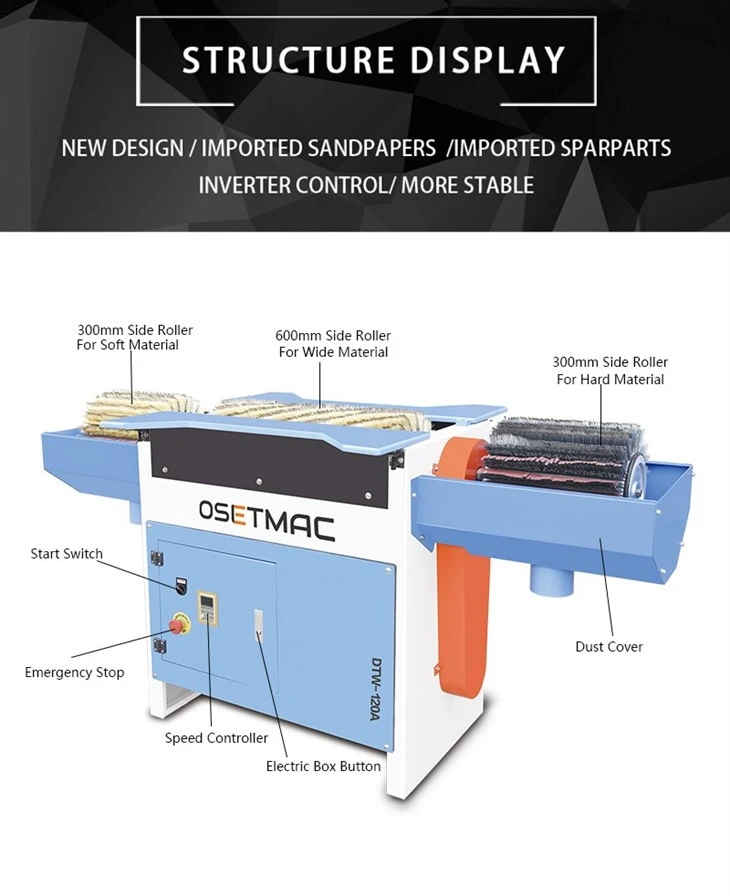

If you're in the market for a high - quality polishing machine, look no further. We have a wide range of polishing machines to suit your specific needs. Whether you're a small - scale workshop or a large industrial manufacturer, we've got you covered. Don't hesitate to reach out to us for more information or to start a procurement discussion. Let's work together to take your workpiece finishing to the next level!
References
- “Handbook of Polishing Technology”
- “Surface Finishing in Manufacturing Industries”


