

Hey there! I'm a blade supplier, and I've seen firsthand how blade coating can take a blade's performance to a whole new level. In this blog, I'm gonna break down how blade coating works and why it's a game - changer for your blades.
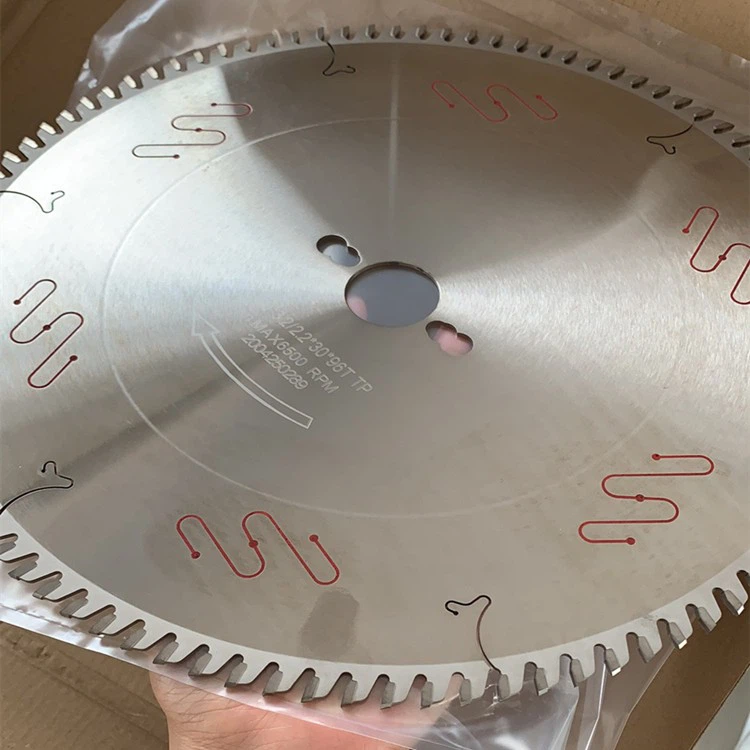

Let's start with the basics. A blade, whether it's for a table saw, a circular saw, or some other cutting tool, goes through a lot of wear and tear during its use. The cutting edge has to deal with friction, heat, and contact with different materials. This can lead to dulling, chipping, and a decrease in overall cutting quality over time. That's where blade coating comes in.
One of the main benefits of blade coating is reducing friction. When a blade cuts through a material, there's a lot of resistance between the blade and the workpiece. This friction not only makes the cutting process slower but also generates a ton of heat. Excessive heat can damage the blade's structure, causing it to warp or lose its sharpness. A good coating acts as a lubricant between the blade and the material. For example, some coatings are made from materials like titanium nitride (TiN). TiN has a low coefficient of friction, which means it allows the blade to glide through the material more smoothly. You can think of it like putting oil on a door hinge. The less friction there is, the easier it is for the blade to do its job. And when the blade cuts more easily, it can cut faster, which is great for efficiency.
Another key advantage is heat resistance. As I mentioned, cutting generates heat, and too much heat can be the enemy of a blade. A blade coating can act as a heat shield. Some advanced coatings are designed to withstand high temperatures without breaking down. They help to dissipate the heat away from the cutting edge. This is crucial because if the heat builds up in one area, it can cause the blade to lose its hardness. With a heat - resistant coating, the blade can maintain its structural integrity even under the intense heat of cutting. This means a longer lifespan for the blade, as it won't be as prone to damage from overheating.
Blade coating also plays a big role in corrosion resistance. If you're using a blade in a humid environment or cutting materials that contain moisture or chemicals, the blade is at risk of rusting and corroding. A coating acts as a barrier between the blade's metal and the outside elements. For instance, a ceramic - based coating can prevent water and oxygen from reaching the metal surface of the blade. This is especially important for blades that are used in woodworking, as wood often contains natural oils and moisture that can cause corrosion. By protecting the blade from corrosion, the coating helps to keep the blade sharp and functional for a longer time.
Now, let's talk about how blade coating affects the quality of the cut. A coated blade can produce a cleaner, smoother cut. When the blade cuts through a material with less friction and heat, there's less chance of the material chipping or splintering. This is super important, especially in applications where a high - quality finish is required. For example, in fine woodworking, a smooth cut means less sanding and finishing work later on. It can save a lot of time and effort in the overall project.
In the woodworking industry, specifically, a well - coated blade can make a huge difference. Take the Sliding Table Saw Blade as an example. When you're cutting solid wood, you need a blade that can handle the density and toughness of the material. A coated sliding table saw blade can cut through the wood more efficiently, reducing the amount of effort required from the operator. It also provides a more precise cut, which is essential for creating accurate joints and fitting pieces together.
But how do you choose the right coating for your blade? Well, it depends on what you're gonna use the blade for. If you're cutting hard materials like metals, you might want a coating that's extremely hard and heat - resistant, like titanium aluminum nitride (TiAlN). On the other hand, if you're mainly cutting wood, a coating that offers good corrosion resistance and reduced friction, like a diamond - like carbon (DLC) coating, could be a great choice.
When it comes to the application process of blade coating, it's a bit of a high - tech operation. There are different methods, such as physical vapor deposition (PVD) and chemical vapor deposition (CVD). PVD is a popular method because it can be done at relatively low temperatures, which means it won't damage the blade's structure. In PVD, the coating material is vaporized and then deposited onto the blade's surface in a vacuum chamber. This creates a thin, uniform layer of coating that adheres well to the blade.
As a blade supplier, I've seen the impact of blade coating on customer satisfaction. Customers who switch to coated blades often report longer blade life, better cutting performance, and a reduction in downtime for blade changes. It's not just about the initial cost of the blade. When you factor in the savings from less frequent blade replacements and increased productivity, coated blades are definitely worth the investment.
If you're in the market for high - performance blades, I'd love to have a chat with you. Whether you're a professional woodworker, a metalworker, or just someone who needs a reliable blade for DIY projects, I can help you find the right blade with the perfect coating for your needs. Reach out to me, and let's discuss how we can improve your cutting experience with top - notch coated blades.
References
- "Cutting Tool Coatings: Principles and Applications" by John C. Keefe
- "Advanced Materials for Cutting Tools" by Yvon Thibault
- Industry reports on blade manufacturing and coating technologies


