

As a supplier of MDF plywood sanding machines, I often receive inquiries from customers about the versatility of our equipment. One common question is whether an MDF plywood sanding machine can be used for sanding veneered plywood. In this blog post, I will delve into this topic, exploring the technical aspects, advantages, and potential challenges of using an MDF plywood sanding machine for veneered plywood.
Understanding the Basics of MDF Plywood and Veneered Plywood
Before we discuss the compatibility of MDF plywood sanding machines with veneered plywood, it's essential to understand the differences between these two types of wood products.
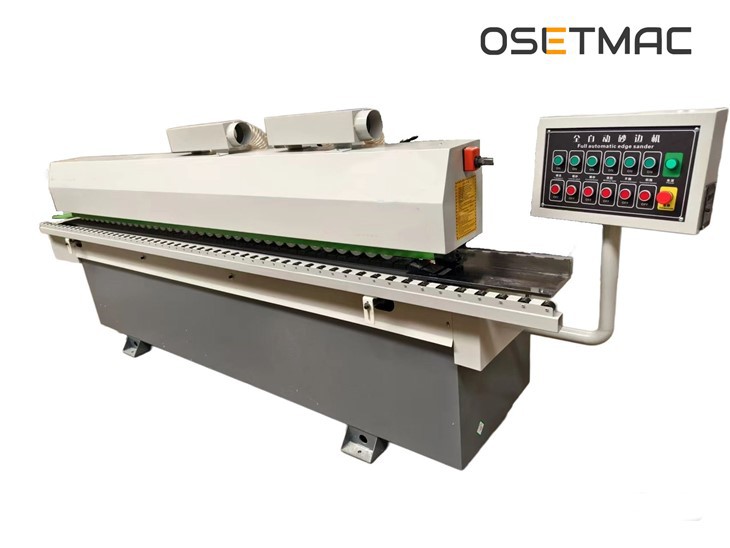

MDF (Medium Density Fiberboard) plywood is made by breaking down hardwood or softwood residuals into wood fibers, combining them with wax and a resin binder, and forming panels by applying high temperature and pressure. It has a uniform density and smooth surface, making it suitable for a wide range of applications, including furniture manufacturing, cabinetry, and interior decoration.
Veneered plywood, on the other hand, consists of a core layer made of plywood or other wood materials, with a thin layer of natural wood veneer glued to one or both sides. The veneer layer provides an attractive and natural wood appearance, enhancing the aesthetic value of the product. Veneered plywood is commonly used in high - end furniture, architectural woodwork, and decorative applications.
Technical Feasibility of Using an MDF Plywood Sanding Machine for Veneered Plywood
From a technical perspective, an MDF plywood sanding machine can generally be used for sanding veneered plywood. Most MDF plywood sanding machines are equipped with adjustable sanding belts or drums that can be set to different grits and pressures, allowing for precise control of the sanding process.
The key to successful sanding of veneered plywood lies in selecting the appropriate sanding grit and pressure. Since the veneer layer is relatively thin, usually ranging from 0.2mm to 3mm, using too coarse a grit or applying excessive pressure can easily damage the veneer, resulting in uneven surfaces, scratches, or even tearing. Therefore, it is recommended to start with a fine - grit sandpaper, such as 120 - 180 grit, and gradually increase the grit size for a smoother finish.
Our Sanding Machine For Wood offers a wide range of grit options and adjustable pressure settings, which can be customized according to the specific requirements of veneered plywood sanding. The machine is designed to provide a consistent and uniform sanding effect, ensuring that the veneer surface remains intact while achieving the desired smoothness.
Advantages of Using an MDF Plywood Sanding Machine for Veneered Plywood
There are several advantages to using an MDF plywood sanding machine for sanding veneered plywood:
Cost - effectiveness
Investing in a single machine that can handle both MDF plywood and veneered plywood can significantly reduce equipment costs for woodworking businesses. Instead of purchasing separate sanding machines for different types of wood products, a versatile MDF plywood sanding machine can meet multiple sanding needs, making it a more cost - efficient solution.
Efficiency
MDF plywood sanding machines are designed for high - volume production, with features such as automatic feeding systems and high - speed sanding belts. When used for sanding veneered plywood, these machines can quickly and efficiently remove surface imperfections, such as rough edges, glue residues, and minor scratches, improving the overall production efficiency.
Quality Control
Modern MDF plywood sanding machines are equipped with advanced control systems that can ensure consistent sanding quality. By using the same machine for both MDF and veneered plywood, woodworkers can maintain a high level of quality control throughout the production process, resulting in products with uniform surfaces and excellent finish.
Potential Challenges and Solutions
While an MDF plywood sanding machine can be used for sanding veneered plywood, there are some potential challenges that need to be addressed:
Veneer Damage
As mentioned earlier, the thin veneer layer is vulnerable to damage during the sanding process. To minimize the risk of veneer damage, it is crucial to adjust the sanding parameters carefully. Our SYS - 60D Automatic Edge Sanding Machine is equipped with a precision control system that allows operators to fine - tune the sanding speed, pressure, and belt tension, reducing the likelihood of veneer damage.
Contamination
During the sanding process, wood dust and debris can accumulate on the sanding belts and drums, which may cause scratches on the veneer surface. Regular cleaning and maintenance of the sanding machine are essential to prevent contamination. Additionally, using a dust collection system can effectively remove wood dust from the working area, improving the working environment and reducing the risk of contamination.
Veneer Thickness Variation
Veneered plywood may have slight variations in veneer thickness across the panel. This can pose a challenge for sanding, as it may result in uneven sanding if the machine is not properly adjusted. Our Plywood Sanding Machine is designed with a thickness compensation function, which can automatically adjust the sanding depth according to the thickness variation of the veneer, ensuring a uniform sanding effect.
Conclusion
In conclusion, an MDF plywood sanding machine can be effectively used for sanding veneered plywood, provided that the appropriate sanding parameters are selected and potential challenges are addressed. The cost - effectiveness, efficiency, and quality control benefits make it a viable option for woodworking businesses that deal with both MDF and veneered plywood.
If you are interested in our MDF plywood sanding machines and would like to discuss your specific sanding requirements, please feel free to contact us. Our team of experts is ready to provide you with professional advice and customized solutions to meet your needs.
References
- Wood Handbook: Wood as an Engineering Material, USDA Forest Service
- Modern Woodworking Machinery and Equipment, Industry Research Report


