

As a supplier of hinge drilling machines, I'm often asked whether these machines can be used for on-site installation. This question is not only relevant to contractors and installers but also to end-users who are looking for a convenient way to install hinges. In this blog post, I'll explore the feasibility of using a hinge drilling machine for on-site installation, discussing the advantages, challenges, and best practices.
Advantages of Using a Hinge Drilling Machine for On-Site Installation
Precision and Consistency
One of the primary advantages of using a hinge drilling machine is the precision and consistency it offers. These machines are designed to drill holes at specific depths and angles, ensuring that the hinges fit perfectly every time. This is particularly important for on-site installation, where a single misaligned hole can cause significant problems. With a hinge drilling machine, you can achieve a high level of accuracy, reducing the need for rework and ensuring a professional finish.
Time and Cost Savings
On-site installation can be time-consuming and labor-intensive, especially when drilling holes manually. A hinge drilling machine can significantly reduce the time required to complete the installation process. By automating the drilling process, you can drill multiple holes in a fraction of the time it would take to do it by hand. This not only saves time but also reduces labor costs, making on-site installation more efficient and cost-effective.
Versatility
Hinge drilling machines are available in a variety of models and configurations, making them suitable for a wide range of applications. Whether you're installing hinges on doors, cabinets, or furniture, there's a hinge drilling machine that can meet your needs. Some machines are designed for specific types of hinges, while others are more versatile and can be used with different hinge styles and sizes. This versatility makes hinge drilling machines a valuable tool for on-site installation.
Challenges of Using a Hinge Drilling Machine for On-Site Installation
Portability
One of the main challenges of using a hinge drilling machine for on-site installation is portability. Some hinge drilling machines are large and heavy, making them difficult to transport to the installation site. However, there are also portable models available that are designed specifically for on-site use. These machines are lightweight and easy to carry, allowing you to take them to different locations without any hassle.
Power Source
Another challenge is the power source. Most hinge drilling machines require an electrical power supply, which may not be available at the installation site. In such cases, you may need to use a generator or a battery-powered machine. Generator-powered machines can be noisy and require fuel, while battery-powered machines have limited run-time. It's important to consider the power source requirements when choosing a hinge drilling machine for on-site installation.
Surface Conditions
The surface conditions at the installation site can also pose a challenge. Hinge drilling machines are designed to work on flat and smooth surfaces. If the surface is uneven or rough, it may affect the accuracy of the drilling. In some cases, you may need to prepare the surface before using the hinge drilling machine. This can involve sanding, leveling, or using a surface preparation tool.
Best Practices for Using a Hinge Drilling Machine for On-Site Installation
Choose the Right Machine
When selecting a hinge drilling machine for on-site installation, it's important to choose the right machine for the job. Consider the type of hinges you'll be installing, the size and weight of the machine, and the power source requirements. Look for a machine that is portable, easy to use, and offers the level of precision and versatility you need.
Prepare the Installation Site
Before using the hinge drilling machine, make sure the installation site is clean, flat, and free of any debris. If the surface is uneven, use a leveling tool to ensure that the machine is stable. Mark the locations where the hinges will be installed and use a template or a guide to ensure that the holes are drilled in the correct positions.
Follow the Manufacturer's Instructions
Always follow the manufacturer's instructions when using the hinge drilling machine. This includes proper setup, operation, and maintenance. Make sure you understand the safety precautions and wear appropriate protective gear, such as safety glasses and gloves.

Test the Machine
Before starting the installation process, test the hinge drilling machine on a scrap piece of material to ensure that it's working properly. Check the depth and angle of the holes to make sure they meet your requirements. Make any necessary adjustments before proceeding with the actual installation.
Related Products
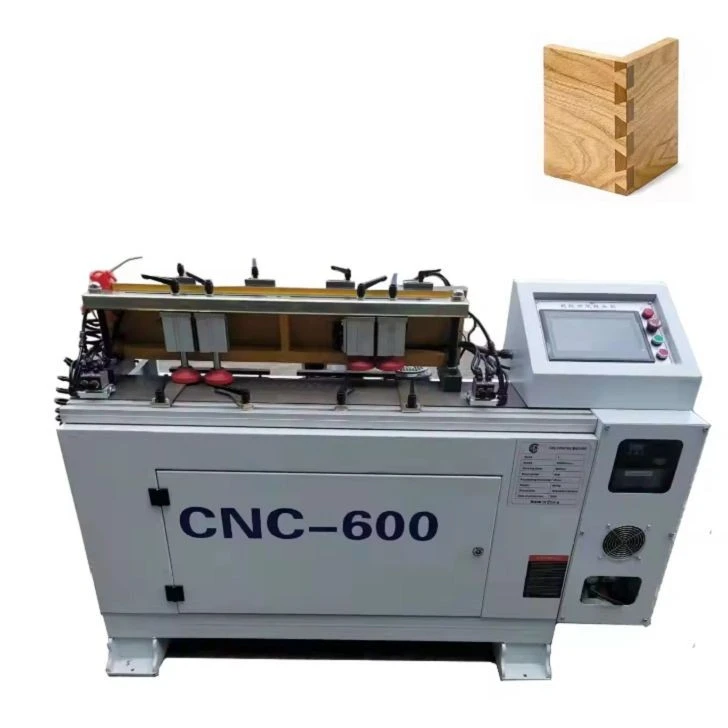
In addition to hinge drilling machines, we also offer a range of other products that can be used for on-site installation. These include Boring Drilling Machine, Door lock tenon machine, and CNC manufacturing machine. These products are designed to provide high-quality and efficient solutions for various woodworking applications.
Conclusion
In conclusion, a hinge drilling machine can be a valuable tool for on-site installation. It offers precision, consistency, time and cost savings, and versatility. However, there are also some challenges to consider, such as portability, power source, and surface conditions. By choosing the right machine, preparing the installation site, following the manufacturer's instructions, and testing the machine, you can overcome these challenges and achieve a successful on-site installation.
If you're interested in purchasing a hinge drilling machine or any of our other products, please feel free to contact us. Our team of experts is ready to assist you with your selection and provide you with the best solutions for your on-site installation needs.
References
- Woodworking Machinery Handbook, 3rd Edition
- On-Site Installation Best Practices Guide


