Hey there! As a supplier of belt sanding machines, I often get asked, "Can a belt sanding machine be used on metal?" Well, let's dive right into this topic and find out.

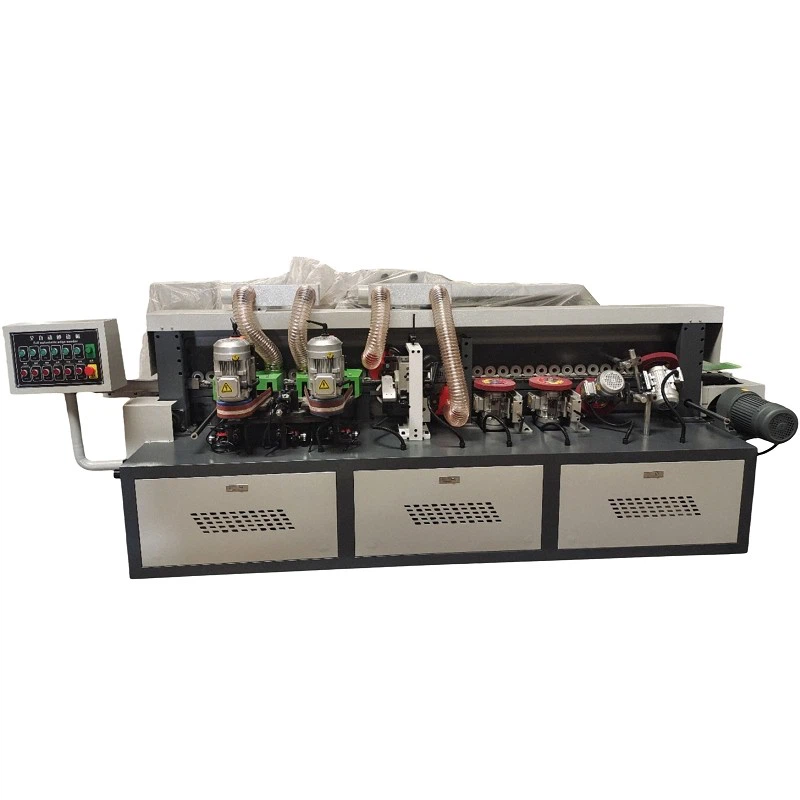
First off, let me give you a bit of background on belt sanding machines. These bad boys are versatile tools that use a continuous loop of sandpaper (the belt) to smooth, shape, or remove material from a workpiece. They come in all shapes and sizes, from small handheld models to large industrial machines. And while they're commonly associated with woodworking, they can actually be used on a variety of materials, including metal.
So, can you use a belt sanding machine on metal? The short answer is yes. But there are a few things you need to keep in mind.
1. The Right Belt
The type of belt you use is crucial when sanding metal. You can't just use any old sandpaper belt. Metal is much harder than wood, so you need a belt with a high - quality abrasive. Aluminum oxide is a popular choice for sanding metal. It's tough, durable, and can handle the heat generated during the sanding process. Another option is zirconia alumina, which is even more durable and can last longer, especially when sanding hard metals like stainless steel.
You also need to consider the grit of the belt. For rough sanding and removing a lot of material quickly, a lower grit belt (around 36 - 60) is a good choice. If you're looking to finish the metal surface and get a smooth, polished look, you'll want to use a higher grit belt (120 - 220 or even finer).
2. Heat Management
One of the biggest challenges when sanding metal is heat. As you sand, friction between the belt and the metal generates heat. If you don't manage this heat properly, it can cause several problems. The metal can warp or change its properties due to the heat. Also, excessive heat can damage the sandpaper belt, causing it to wear out faster.
To manage heat, you can use a coolant. Some belt sanding machines have built - in coolant systems that spray a fine mist of coolant onto the sanding area. If your machine doesn't have a built - in system, you can use a water - based coolant or a lubricant. You can also take breaks during the sanding process to let the metal and the belt cool down. And don't forget to keep the pressure on the metal workpiece consistent and not too heavy, as too much pressure can generate more heat.
3. Safety Precautions
Safety is always a top priority when using any power tool, and belt sanding machines are no exception. When sanding metal, there are some additional safety concerns. Metal shavings and sparks are common by - products of the sanding process. Make sure you wear safety glasses to protect your eyes from flying debris. A face shield can also be a good idea, especially if you're dealing with large amounts of sparks.
You should also wear appropriate clothing. Avoid loose - fitting clothes that could get caught in the machine. Gloves can be worn, but make sure they're not too loose either. And always use the machine in a well - ventilated area to avoid inhaling metal dust.
Our Belt Sanding Machines for Metal
At our company, we offer a range of belt sanding machines that are suitable for sanding metal. For example, the SYS - 60D Automatic Edge Sanding Machine is a great option for precision sanding of metal edges. It has a powerful motor and adjustable speed settings, allowing you to sand different types of metal with ease.
If you're working on larger metal sheets or panels, our Plywood Sanding Machine can also be used effectively on metal. It has a wide sanding belt that can cover more surface area in less time, increasing your productivity.
And for those who need a more general - purpose machine for both wood and metal, our Sanding Machine For Wood can be adjusted to handle metal sanding tasks. It's a versatile machine that can switch between different materials with just a change of the belt.
Advantages of Using a Belt Sanding Machine on Metal
There are several advantages to using a belt sanding machine on metal. Firstly, it's a fast and efficient way to remove material. Whether you're deburring a metal part, shaping a piece of metal, or preparing it for further finishing, a belt sanding machine can get the job done quickly.
Secondly, it can provide a consistent finish. Unlike some other sanding methods, a belt sanding machine can give you a uniform surface finish across the entire metal workpiece. This is especially important if you're working on a project where precision and a professional look are required.
Applications of Belt Sanding Machines on Metal
Belt sanding machines are used in a wide range of industries for sanding metal. In the automotive industry, they're used to sand metal body parts, prepare surfaces for painting, and remove rust. In the manufacturing industry, they're used to finish metal components, such as gears, shafts, and brackets. And in the jewelry industry, belt sanding machines can be used to shape and polish small metal pieces.
Conclusion
So, to answer the question "Can a belt sanding machine be used on metal?" - absolutely! With the right belt, proper heat management, and safety precautions, a belt sanding machine can be a great tool for sanding metal. Whether you're a professional metalworker or a DIY enthusiast, our range of belt sanding machines can meet your needs.
If you're interested in purchasing a belt sanding machine for your metalworking projects, don't hesitate to reach out. We're here to help you find the perfect machine for your specific requirements. Contact us today to start the procurement process and let's get your metal sanding projects off to a great start!
References
- "Handbook of Abrasive Technology"
- "Metalworking Machinery: Operation and Maintenance"