Hey there! As a supplier of belt sanding machines, I often get asked a bunch of questions about what these machines can and can't do. One question that pops up quite a bit is, "Can a belt sanding machine be used for sanding concrete?" Well, let's dig into this topic and find out.
First off, let's talk about what a belt sanding machine is. A belt sander is a power tool that uses a continuous loop of sandpaper (the belt) that rotates over two or more drums. It's a pretty versatile tool and is commonly used for sanding wood, smoothing rough edges, and even shaping materials. You can check out our Sanding Machine For Wood for more details on how it works for wood applications.
Now, when it comes to concrete, things get a bit more complicated. Concrete is a hard, abrasive material made up of cement, aggregates (like sand and gravel), and water. It's used in a ton of construction projects, from sidewalks to building foundations.
So, can you use a belt sanding machine on concrete? The short answer is yes, but with some big caveats.
The Pros of Using a Belt Sanding Machine on Concrete
- Surface Smoothing: If you have a concrete surface that's a bit rough or has some minor imperfections, a belt sander can help smooth it out. This can be useful for preparing a concrete floor for painting, staining, or applying a sealer.
- Edge Work: Belt sanders are great for getting into tight corners and edges. When working on concrete countertops or other projects with edges that need to be smoothed, a belt sander can be a handy tool.
- Removing Thin Layers: If you need to remove a very thin layer of concrete, like a coating or a thin layer of surface damage, a belt sander can do the job.
The Cons of Using a Belt Sanding Machine on Concrete
- Abrasive Wear: Concrete is extremely abrasive. The sandpaper belts on a belt sander will wear out very quickly when used on concrete. This means you'll have to replace the belts frequently, which can get expensive.
- Dust Generation: Sanding concrete creates a ton of dust. This dust is not only messy but can also be harmful if inhaled. You'll need to use proper dust collection equipment and wear a respirator to protect yourself.
- Limited Depth of Cut: Belt sanders are not designed to remove large amounts of concrete. If you need to remove a significant amount of material, a belt sander is not the right tool. You'd be better off using a grinder or a floor scarifier.
Tips for Using a Belt Sanding Machine on Concrete
If you decide to use a belt sander on concrete, here are some tips to make the process go more smoothly:
- Use the Right Belts: Look for belts specifically designed for use on concrete. These belts are made with a more durable abrasive material that can withstand the hardness of concrete.
- Take Breaks: To avoid overheating the sander and wearing out the belts too quickly, take regular breaks during the sanding process.
- Dust Collection: Make sure you have a good dust collection system in place. This could be a vacuum attached to the sander or a separate dust collector.
- Test on a Small Area First: Before you start sanding a large area of concrete, test the sander on a small, inconspicuous area to see how it performs and how quickly the belts wear.
Our Belt Sanding Machines for Concrete Applications
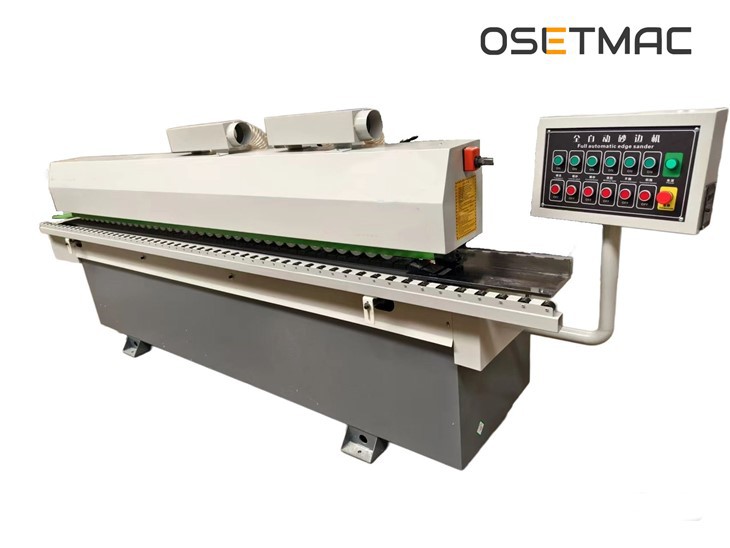
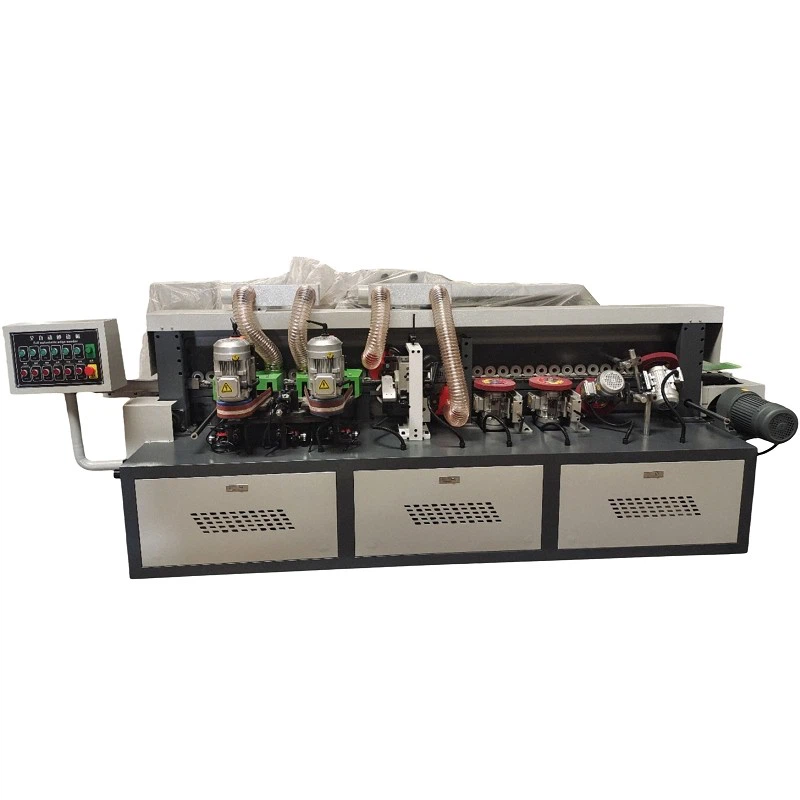
We offer a range of belt sanding machines that can be used on concrete, with some modifications and the right accessories. For example, our SYS-60D Automatic Edge Sanding Machine can be used for edge sanding on concrete countertops. It has a powerful motor and adjustable settings to help you get the job done.
Our R-RP1000 Sanding Machine is a wider belt sander that can cover more surface area. It's a great option if you need to sand a larger concrete floor or surface.
Conclusion
In conclusion, while a belt sanding machine can be used for sanding concrete, it's not the most efficient or cost - effective tool for large - scale concrete sanding projects. However, for small jobs, edge work, and surface smoothing, it can be a useful addition to your toolkit.
If you're thinking about using a belt sander on concrete or have any questions about our belt sanding machines, don't hesitate to get in touch. We're here to help you find the right tool for your project and provide you with all the support you need. Whether you're a DIY enthusiast or a professional contractor, we've got the products and expertise to meet your needs. Contact us today to start a conversation about your sanding requirements, and let's work together to get the job done right.
References
- "Concrete Technology: Principles, Properties, and Materials" by S. P. Mindess, J. F. Young, and D. Darwin.
- "Power Tools: A Comprehensive Guide" by DIY Publications.