

In the world of cutting tools, the age - old question often arises: Are expensive blades always better in quality? As a blade supplier, I've encountered this query numerous times from customers across various industries. This blog post aims to delve deep into this topic, analyzing different factors that influence blade quality and price.
Understanding Blade Pricing
The price of a blade is determined by multiple factors. First and foremost is the raw material. High - end blades are often made from premium materials such as tungsten carbide, which is extremely hard and wear - resistant. These materials can withstand high - speed cutting and maintain their sharpness for a longer time compared to blades made from common steel. For instance, a blade made from high - grade tungsten carbide may cost significantly more than one made from basic carbon steel.
Manufacturing processes also play a crucial role in pricing. Precision manufacturing techniques, such as computer - controlled grinding and coating applications, require advanced equipment and skilled labor. These processes ensure that the blade has a consistent edge, accurate tooth geometry, and a smooth surface finish. A blade that goes through a more elaborate manufacturing process will naturally be more expensive.
Another factor contributing to the price is brand reputation. Well - established brands often charge a premium for their products. They invest heavily in research and development, quality control, and customer service. Customers are willing to pay more for the assurance of a reliable product and the support that comes with a well - known brand.
Assessing Blade Quality
Quality in blades can be measured in several ways. The most obvious is cutting performance. A high - quality blade should be able to make clean, precise cuts with minimal effort. It should cut through the material smoothly, without chipping, tearing, or leaving rough edges. For example, when cutting wood, a good blade will leave a smooth surface that requires little to no sanding afterwards.
Durability is another key aspect of quality. A blade that can withstand repeated use without losing its cutting edge or becoming damaged is considered of high quality. This is especially important in industrial settings where blades are used for long periods of time. A durable blade will not only save money in the long run but also increase productivity by reducing the frequency of blade changes.
Safety is also an important factor. A well - made blade should be designed to minimize the risk of kickback, which can be extremely dangerous. It should also have proper balance and stability during operation.
Are Expensive Blades Always of Higher Quality?
The answer is not a simple yes or no. While it's true that in many cases, expensive blades offer better quality, there are exceptions.
There are some budget - friendly blades that provide excellent performance. These blades may be made from good - quality materials and manufactured using reliable processes. They may not have the same brand recognition or the latest high - tech features as more expensive blades, but they can still get the job done effectively. For example, some small - scale manufacturers produce blades that are tailored to specific applications and offer great value for money.
On the other hand, just because a blade is expensive doesn't always mean it's the best choice for every situation. Sometimes, an expensive blade may have features that are unnecessary for a particular task. For instance, a high - end blade with a very fine tooth count may be overkill for rough cutting jobs. In such cases, a more moderately priced blade with a coarser tooth count may be a better option.
Case Studies
Let's take a look at some real - world examples. In the woodworking industry, a professional cabinet maker may require a high - quality blade for making precise cuts on expensive hardwoods. For this type of work, an expensive Sliding Table Saw Blade with a high tooth count and a premium carbide tip may be worth the investment. The blade will ensure clean cuts and long - lasting performance, which is crucial for maintaining the quality of the finished product.
However, a DIY enthusiast who only occasionally cuts softwood for small projects may not need such an expensive blade. A more affordable blade can still provide satisfactory results for their infrequent use.
Tips for Choosing the Right Blade
When choosing a blade, it's important to consider your specific needs. First, determine the type of material you'll be cutting. Different materials require different blade designs and tooth configurations. For example, cutting metal requires a blade with a different tooth geometry than cutting wood.
Next, think about the frequency of use. If you'll be using the blade regularly, it may be worth investing in a higher - quality, more expensive blade. But if it's for occasional use, a budget - friendly option may be sufficient.
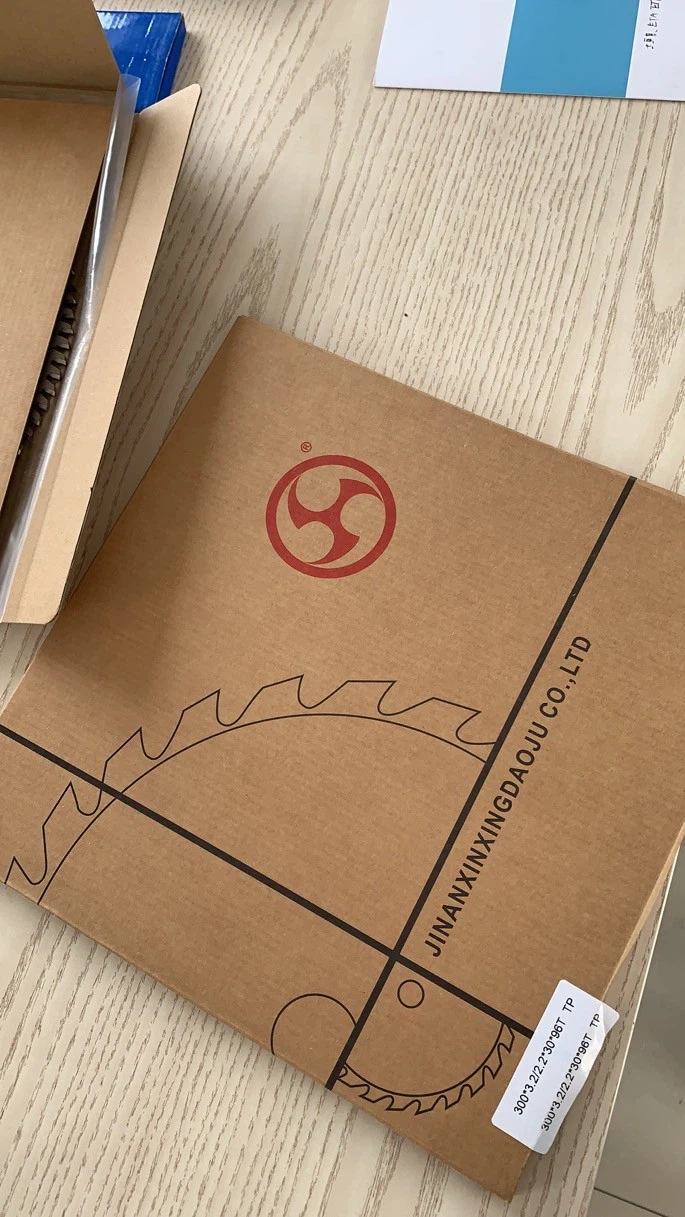
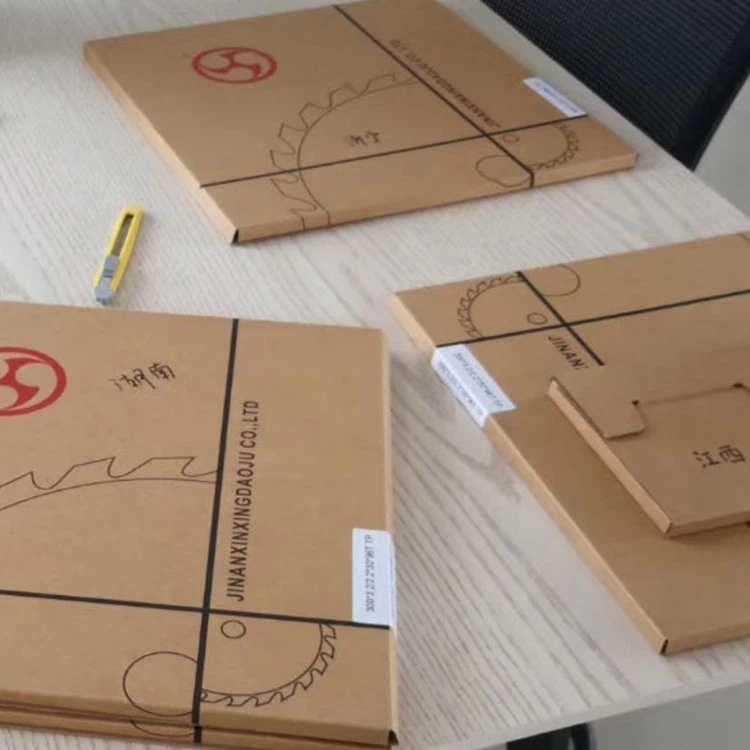
Also, don't be swayed solely by brand names. Do your research, read reviews, and compare different products. Look for blades that have a good balance between price and performance.
Conclusion
In conclusion, while expensive blades often offer high - quality features, they are not always the best choice for every situation. As a blade supplier, my goal is to help customers find the right blade for their needs, whether it's a top - of - the - line, expensive blade or a more affordable option.
If you're in the market for a blade and need advice on which one is best for you, don't hesitate to reach out. We have a wide range of blades to suit different applications and budgets. Contact us to start a discussion about your requirements and let's find the perfect blade for your next project.
References
- "Cutting Tool Engineering Handbook"
- Industry reports on blade manufacturing and performance
- Customer feedback and case studies from various industries


