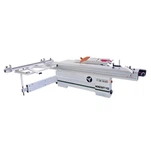
In woodworking and furniture manufacturing, the quality of edges plays a crucial role in the final products overall aesthetic appeal and durability. Achieving flawless edge quality and finish has been a longstanding challenge for manufacturers, often requiring meticulous manual labor and time-intensive processes. However, with the advent of High-Speed Edge Banding Machines, these challenges are being effectively addressed, revolutionizing the industrys approach to edge finishing.
Understanding Edge Quality and Finish
Edge quality refers to the smoothness, uniformity, and precision of the edges of wood panels or furniture components. It encompasses straightness, smoothness, and absence of defects like chipping or tear-out. The finish, however, refers to the surface appearance and texture of the edges, which can range from matte to glossy, depending on the desired aesthetic.
Common Challenges in Edge Quality and Finish
Traditional methods of edge finishing often need to improve in delivering consistent results, leading to various challenges. These may include uneven edges, glue residue, poor adhesion, or inconsistencies in surface texture. Such imperfections not only compromise the visual appeal but also affect the structural integrity and longevity of the final product.
Features of High-Speed Edge Banding Machines
High-speed edge banding machines have advanced features and functionalities to overcome these challenges. They incorporate precision cutting and trimming mechanisms that ensure accurate edge alignment and clean trimming, minimizing the need for manual intervention. Additionally, these machines utilize advanced gluing and bonding technologies, resulting in stronger adhesive bonds and seamless edge finishes.
Versatility in Edgebanding Materials
One of the notable advantages of high-speed edge banding machines is their versatility in working with a wide range of edgebanding materials. These machines can handle various edge-banding materials with precision and efficiency, whether its PVC, ABS, wood veneer, or acrylic. This versatility enables manufacturers to explore different design options and cater to diverse customer preferences without compromising edge quality or finish.
Automation and Quality Control Measures
Automation is pivotal in ensuring consistent edge quality and finish throughout production. High-speed edge banding machines have sophisticated automation systems that streamline operations and minimize human errors. From automatic material feeding and edge alignment to real-time monitoring of adhesive application and trimming processes, these machines offer unparalleled precision and control. Furthermore, built-in quality control measures such as laser edge detection and thickness monitoring help identify and rectify any deviations, ensuring that each finished product meets the desired standards of quality and consistency.
Case Studies and Success Stories
Numerous businesses across the woodworking and furniture manufacturing industries have experienced significant improvements in edge quality and finish following the adoption of high-speed edge banding machines. For instance, a leading furniture manufacturer reported a 30% reduction in production time and a substantial decrease in edge-related defects after integrating these machines into their production line. Similarly, a cabinetry workshop achieved higher customer satisfaction rates and increased profitability due to the consistent quality and seamless finish achieved with high-speed edge banding technology.