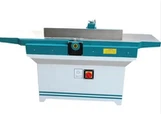
Hey there! As a supplier of belt sanding machines, I often get asked a variety of questions about what these machines can and can't do. One question that popped up recently really got me thinking: "Can I use a belt sanding machine on glass?" Let's dig into this topic and find out the ins and outs.
First off, let's understand what a belt sanding machine is. Belt sanding machines are pretty versatile tools. They've got a continuous loop of sandpaper that moves around two rollers at high speed. This setup allows for fast and efficient material removal. They're commonly used for sanding wood, metal, and other materials in industries like furniture making, carpentry, and metalworking. For example, a Plywood Sanding Machine is specifically designed to handle plywood, smoothing out rough surfaces and giving it a professional finish.
Now, let's talk about glass. Glass is a unique material. It's hard, brittle, and can break easily if not handled properly. Unlike wood or metal, glass doesn't have a fibrous or grainy structure. Instead, it's a smooth, homogeneous material. When you try to sand glass, you need to be extra careful because any sudden pressure or uneven sanding can cause cracks or chips.
So, can you use a belt sanding machine on glass? The short answer is yes, but with a whole bunch of caveats.


The Challenges of Sanding Glass with a Belt Sander
One of the biggest challenges is the risk of breakage. The high - speed rotation of the sanding belt can generate a lot of heat and pressure. Glass doesn't handle heat well. If the temperature rises too quickly, it can cause thermal stress, which leads to cracks. Also, the sudden impact or uneven pressure from the belt can cause the glass to shatter.
Another issue is the type of sandpaper. Regular sandpaper used for wood or metal won't work well on glass. Glass requires a very fine - grit sandpaper. Coarse grits will scratch the glass too deeply and may cause it to break. You need to start with a relatively fine grit, like 220 or 320, and then gradually move to even finer grits for a smooth finish.
How to Safely Use a Belt Sander on Glass
If you're determined to use a belt sander on glass, here are some steps to follow:
- Choose the Right Machine: Not all belt sanding machines are suitable for glass. Look for a machine that allows you to control the speed. A lower speed is better for glass because it reduces the heat and pressure. For example, a SYS - 60D Automatic Edge Sanding Machine might be a good option as it offers more control over the sanding process.
- Select the Right Sandpaper: As mentioned earlier, use fine - grit sandpaper. Start with a 220 - grit paper and work your way up to 400, 600, 800, and even 1000 - grit for a really smooth finish. You can also use diamond - coated sandpaper, which is specifically designed for glass and other hard materials.
- Lubrication: Using a lubricant like water or a specialized glass - sanding lubricant is crucial. The lubricant helps to reduce heat and friction, preventing the glass from cracking. You can simply spray water on the glass surface while sanding.
- Secure the Glass: Make sure the glass is firmly secured before you start sanding. Use a stable workbench and clamps to hold the glass in place. This will prevent it from moving around and reduce the risk of breakage.
- Sanding Technique: Apply light pressure and move the glass slowly and evenly across the sanding belt. Don't press too hard or stay in one spot for too long. Keep the sanding motion smooth and continuous.
Applications of Sanding Glass
There are some valid reasons why you might want to sand glass. One common application is edge sanding. When you cut glass, the edges are usually sharp and rough. Sanding the edges can make them smooth and safe to handle. It also gives the glass a more professional look.
Another application is creating a frosted effect on glass. By sanding the surface of the glass with a fine - grit sandpaper, you can create a matte or frosted appearance. This is often used in decorative glasswork, like in shower doors or room dividers.
Using a Belt Sander for Other Materials
While sanding glass with a belt sander is a bit tricky, these machines are excellent for other materials. For woodworking, a Sanding Machine For Wood can make quick work of rough surfaces. It can smooth out rough cuts, shape edges, and prepare the wood for staining or painting.
In metalworking, belt sanders can be used to remove rust, smooth welds, and shape metal parts. They're also great for deburring, which is the process of removing sharp edges from metal pieces.
Conclusion
So, in conclusion, using a belt sanding machine on glass is possible, but it's not for the faint - hearted. You need to take all the necessary precautions to avoid breakage and get a good finish. If you're new to working with glass, it might be a good idea to practice on some scrap pieces first.
If you're in the market for a belt sanding machine, whether it's for glass, wood, or metal, we've got a wide range of options to suit your needs. Our machines are designed for efficiency, durability, and ease of use. If you have any questions or want to discuss your specific requirements, don't hesitate to reach out. We're here to help you find the perfect belt sanding machine for your projects. Let's start a conversation and see how we can assist you in your sanding needs.
References
- "The Complete Guide to Glassworking" by Glass Artists Association
- "Woodworking and Sanding Techniques" by Woodcraft Magazine
- "Metalworking Basics" by Industrial Metalworkers' Journal